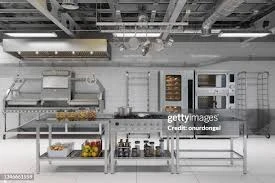

Running a successful restaurant means serving great food consistently, and the right tools can make all the difference. Choosing restaurant kitchenware is more than just buying pots, pans, and utensils—it’s about investing in quality equipment that will serve you reliably for years while maintaining efficiency in a high-pressure environment.
Whether you’re setting up a new restaurant or upgrading your current kitchen, here’s a guide on how to choose durable and efficient restaurant kitchenware for long-term use.
1. Prioritize Quality Materials
The foundation of durable restaurant kitchenware lies in the materials. For example, stainless steel is a popular choice because it resists rust, withstands high temperatures, and is easy to clean—ideal for professional kitchens. Cast iron is excellent for heat retention, while aluminum offers great heat conductivity at a lighter weight.
Before purchasing, consider:
- Corrosion resistance – essential for long-term durability.
- Non-reactivity – especially important when cooking acidic foods.
- Heat distribution – ensures consistent cooking results.
2. Consider Usage Frequency and Kitchen Needs
In a busy commercial kitchen, some items are used constantly, while others are more specialized. Heavy-use items, like frying pans, stockpots, and knives, need to be more robust than those used occasionally.
When choosing restaurant kitchenware, match the product to its workload. For example, a knife used for several hours daily should have an ergonomic grip and high-carbon stainless steel for long-term sharpness.
3. Look for Ergonomic and Practical Designs
A restaurant kitchen moves fast, and your team needs tools that are easy to handle. Ergonomic handles, balanced weight, and stackable designs save space and improve workflow efficiency. For cookware, check if lids fit securely and handles stay cool.
Practicality also means choosing versatile pieces—such as multi-purpose pans—that can handle various dishes without taking up extra storage space.
4. Check Maintenance and Cleaning Requirements
Even the most durable restaurant kitchenware will wear out faster if it’s difficult to maintain. Opt for materials and finishes that are dishwasher-safe, easy to sanitize, and resistant to staining or warping.
For example, seamless stainless-steel mixing bowls are easier to clean than those with ridges, and non-stick pans require gentle cleaning methods to preserve the coating.
5. Invest in Energy-Efficient Equipment
Efficiency isn’t just about speed; it’s also about saving on utility costs. Some cookware and bakeware are designed to heat quickly and retain heat longer, reducing cooking times. This can make a big difference in a restaurant setting where every minute counts.
Similarly, when buying electric appliances as part of your restaurant kitchenware collection, look for energy ratings that ensure long-term savings.
6. Set a Budget but Think Long-Term
While it might be tempting to go for cheaper options, low-cost kitchenware often needs frequent replacement, which increases costs over time. High-quality pieces might have a higher upfront price but often last much longer, making them the more economical choice in the long run.
7. Buy from Trusted Suppliers
Working with a reputable supplier ensures you’re getting genuine, high-quality products backed by warranties and customer support. Established suppliers also often provide bulk discounts and advice tailored to your kitchen’s needs.
Final Thoughts
Choosing the right restaurant kitchenware is an investment in your restaurant’s efficiency, food quality, and overall success. By focusing on durable materials, ergonomic designs, easy maintenance, and long-term value, you can build a kitchen setup that keeps your chefs happy and your customers satisfied.
Durable, efficient tools don’t just make cooking easier—they help your restaurant maintain consistency, reduce costs, and run like a well-oiled machine for years to come.






























Sign in to leave a comment.