
Protective gear only works if you actually wear it consistently, and that's exactly why comfort matters just as much as protection when shopping for riding body armor. Bulky, stiff armor tends to end up left at home after a few uncomfortable rides, while well-designed lightweight armor gets worn every time because it doesn't get in the way. Whether you're riding an electric dirt bike, a performance scooter, or commuting on an e-bike, here's how to choose armor that protects the areas that matter most without weighing you down.
Start With the Areas You Need to Protect
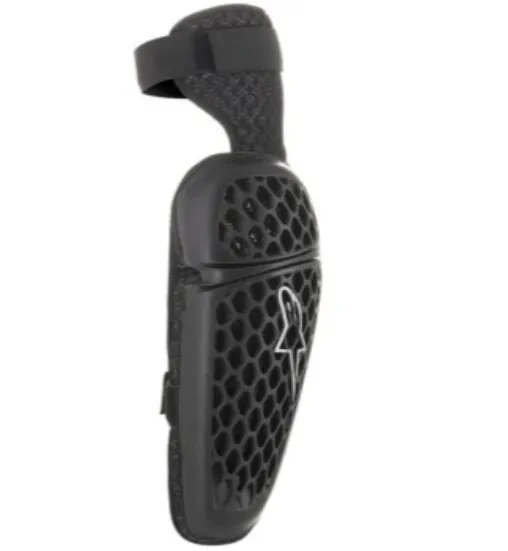
Before comparing specific products, think about which parts of your body are most exposed during a fall or impact. Elbows, knees, shoulders, and the spine are the most common areas riders protect, and each has dedicated armor built specifically for that joint or region. A good example is the Alpinestars Bionic Plus Elbow Protectors, which use ergonomically profiled Level 1 CE certified protection (EN 1621-1:2012) to absorb impact at the elbow specifically, rather than relying on generic padding not designed for that joint's range of motion. Choosing armor built for a specific body part, rather than one-size-fits-all padding, generally results in both better protection and a more comfortable fit.
Look for CE Certification Levels
Not all protective gear is created equal, and one of the clearest ways to compare options is by checking for CE certification. Elbow and knee protectors are typically rated under EN 1621-1, which measures impact absorption for limb joint protectors. Level 1 certification, like what's used in the Alpinestars Bionic Plus line, offers solid protection while generally allowing for a lighter, more flexible design. Level 2 protectors offer even more impact absorption but tend to be bulkier and stiffer. For most riders prioritizing comfort alongside protection, Level 1 certified armor strikes a strong balance, especially for street and commuter riding rather than aggressive racing.
Prioritize Ventilation and Breathable Materials
One of the biggest complaints riders have with older-style armor is overheating, especially during warmer months or longer rides. Modern lightweight riding body armor solves this with vented panels and 3D mesh construction that allow airflow directly to the skin while still holding the protective shell securely in place. This kind of design keeps you cooler without compromising the impact-absorbing structure underneath, which matters a lot if you're the type of rider who skips armor entirely once the weather warms up. Look specifically for product descriptions that mention mesh paneling, vented shells, or moisture-wicking liners.
Check the Closure and Fit System
Comfort isn't just about materials it's also about how securely and adjustably the armor fits your body. A well-designed dual strap closure system, like the one used on the Bionic Plus Elbow Protectors, allows the armor to stay in position during a ride without shifting or bunching up, while still being quick to put on and take off. Straps positioned specifically above and below the joint, rather than a single generic strap, tend to offer a more secure and ergonomic fit. Before buying, check the available sizing options as well. Many armor products come in multiple sizes such as Small/Medium, Large/XL, and youth sizing, so it's worth confirming the right fit for your body rather than assuming one size fits all.
Consider Flexibility and Range of Motion
Rigid armor that restricts natural movement is one of the fastest ways to end up avoiding protective gear altogether. Look for armor with an asymmetric or ergonomic panel design and a flexion channel built into the shell, allowing it to bend naturally with your joint rather than fighting against it. This kind of engineering is what separates modern lightweight armor from older, boxier designs. It lets the protective shell move with your elbow, knee, or shoulder instead of forcing your body to move around a rigid piece of plastic.
Match Armor to Your Riding Style
Different riding styles call for different levels of protection. Off-road and MX-style riding generally benefits from more robust, ergonomically streamlined armor designed for higher-impact falls, while casual commuters on scooters or e-bikes may prioritize lighter, more breathable options they'll actually wear daily. Whatever your riding style, the goal with any riding body armor purchase should be finding the lightest, most comfortable option that still meets a recognized CE protection standard sacrificing certified protection for comfort defeats the purpose of wearing armor in the first place.
Buying With Confidence
Wyrd Ryds carries a range of riding body armor, including the Alpinestars Bionic Plus Elbow Protectors, giving riders a reliable, certified option built specifically around comfort and breathability. Buying through an established retailer also means access to accurate sizing guidance and support if you have questions before your purchase.
Final Thoughts
Choosing the right riding body armor comes down to balancing genuine, certified protection with the kind of lightweight comfort that makes you actually want to wear it on every ride. Look for CE-certified impact protection, ventilated materials, a secure and adjustable closure system, and ergonomic flexibility, and you’ll end up with gear that protects you without slowing you down. For riders looking for dependable protection and riding gear, Wyrd Ryds offers options designed to keep comfort and protection in mind.
FAQ
What does CE Level 1 certification mean for armor?
It indicates the armor meets a recognized European standard (EN 1621-1:2012) for impact absorption at limb joints, offering solid protection in a typically lighter, more flexible design than Level 2 armor.
Is lightweight armor as protective as bulkier options?
Lightweight, CE-certified armor can offer strong protection while improving comfort and ventilation, though very high-impact riding may call for Level 2 certified gear.
How should elbow armor fit?
It should sit securely without shifting, typically using a dual strap system with one strap above and one below the elbow for an ergonomic, stable fit.
Does ventilated armor sacrifice protection for breathability?
No, vented panels and mesh materials are designed to improve airflow without compromising the protective shell or padding underneath.
What sizes are available for elbow protectors like the Bionic Plus?
They're typically available in Small/Medium, Large/XL, and Youth L/XL sizing.

























Sign in to leave a comment.