
Choosing the right office chair is pivotal for enhancing productivity and ensuring comfort during long hours at your desk. A comfortable chair can significantly impact your health, posture, and overall work experience. In this article, we will explore the essential factors to consider when selecting the best office chair.
Understanding Ergonomics
Ergonomics is the science of designing products that optimize human well-being and overall system performance. An ergonomic office chair is designed to support the natural curve of your spine, promote good posture, and reduce strain on your body. When searching for the best office chair, it is essential to prioritize ergonomic features.
Key Ergonomic Features
Adjustable Seat Height
Having the ability to adjust the seat height allows you to position your feet flat on the ground or on a footrest. Your knees should be at about a 90-degree angle, which helps reduce strain on your lower back.
Lumbar Support
Proper lumbar support is vital for maintaining the natural curve of your lower back. Look for a chair that offers adjustable lumbar support, allowing you to customize the fit according to your body’s unique shape.
Seat Depth and Width
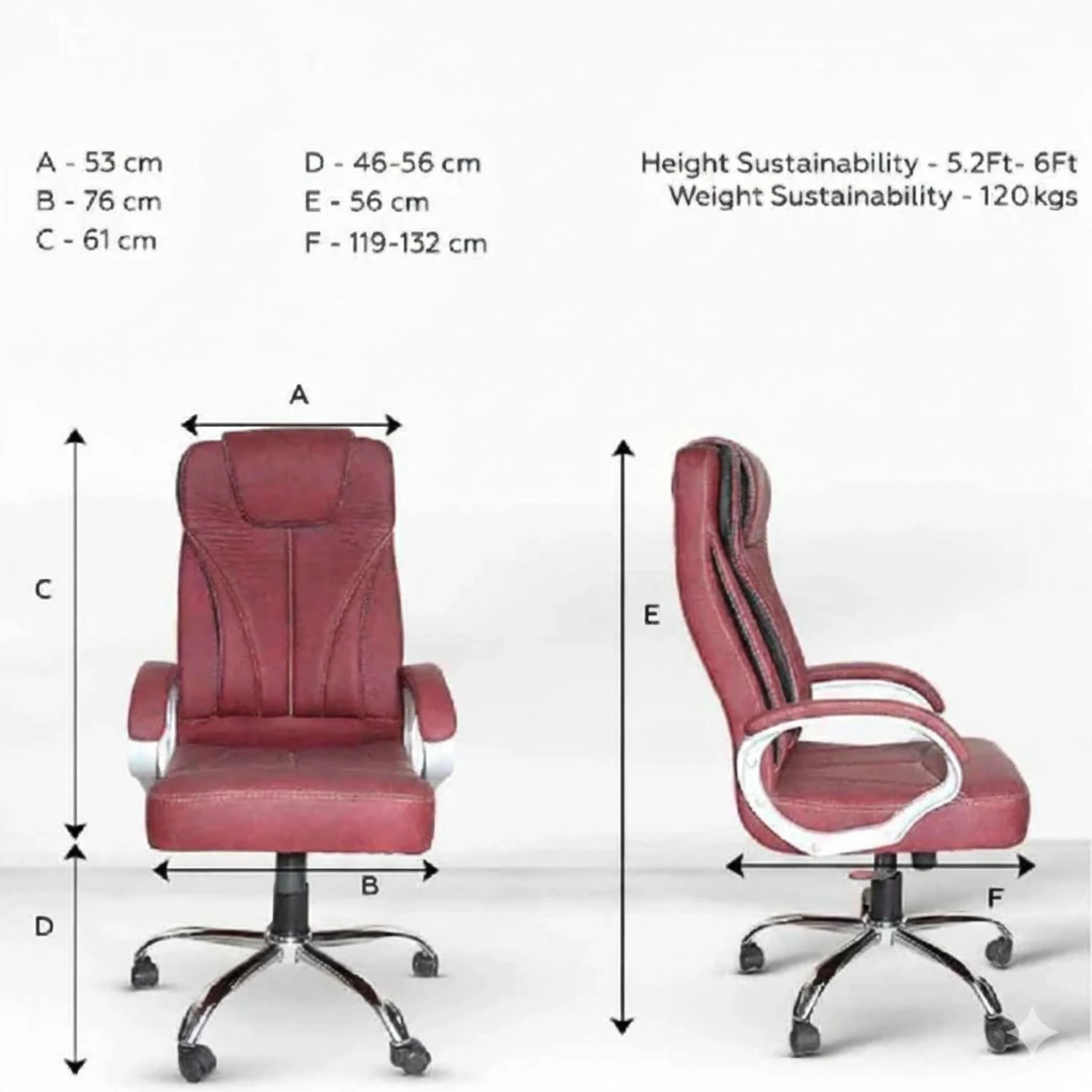
A well-sized seat allows you to sit comfortably without leaving gaps between the chair and the back of your knees. When selecting the best office chair, ensure that the seat depth and width accommodate your body size.
Backrest Adjustability
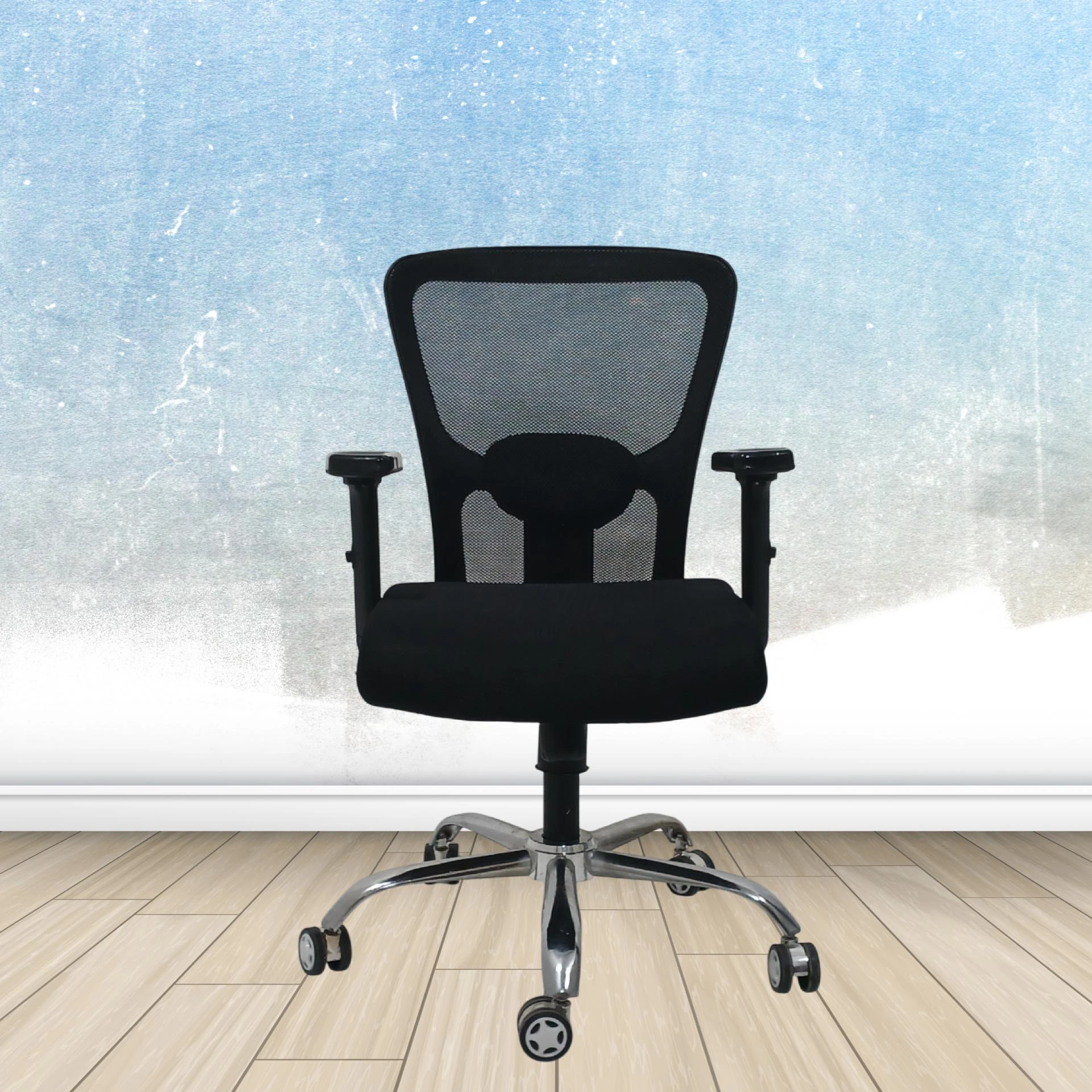
An adjustable backrest that offers tilt and height adjustments can help you find the perfect position for your spine. Your backrest should support your lower back, preventing slouching and promoting a healthier posture.
Armrests
Choose an office chair with adjustable armrests to alleviate shoulder strain. Ideally, the armrests should be at a height that allows your shoulders to relax while you are typing or using a mouse.
Material Matters
The materials used in your office chair can significantly affect comfort and durability. Here are the materials to consider:
1. Fabric vs. Leather
- Fabric Chairs: These are often breathable, making them more comfortable during long hours. They are also available in various colors and designs.
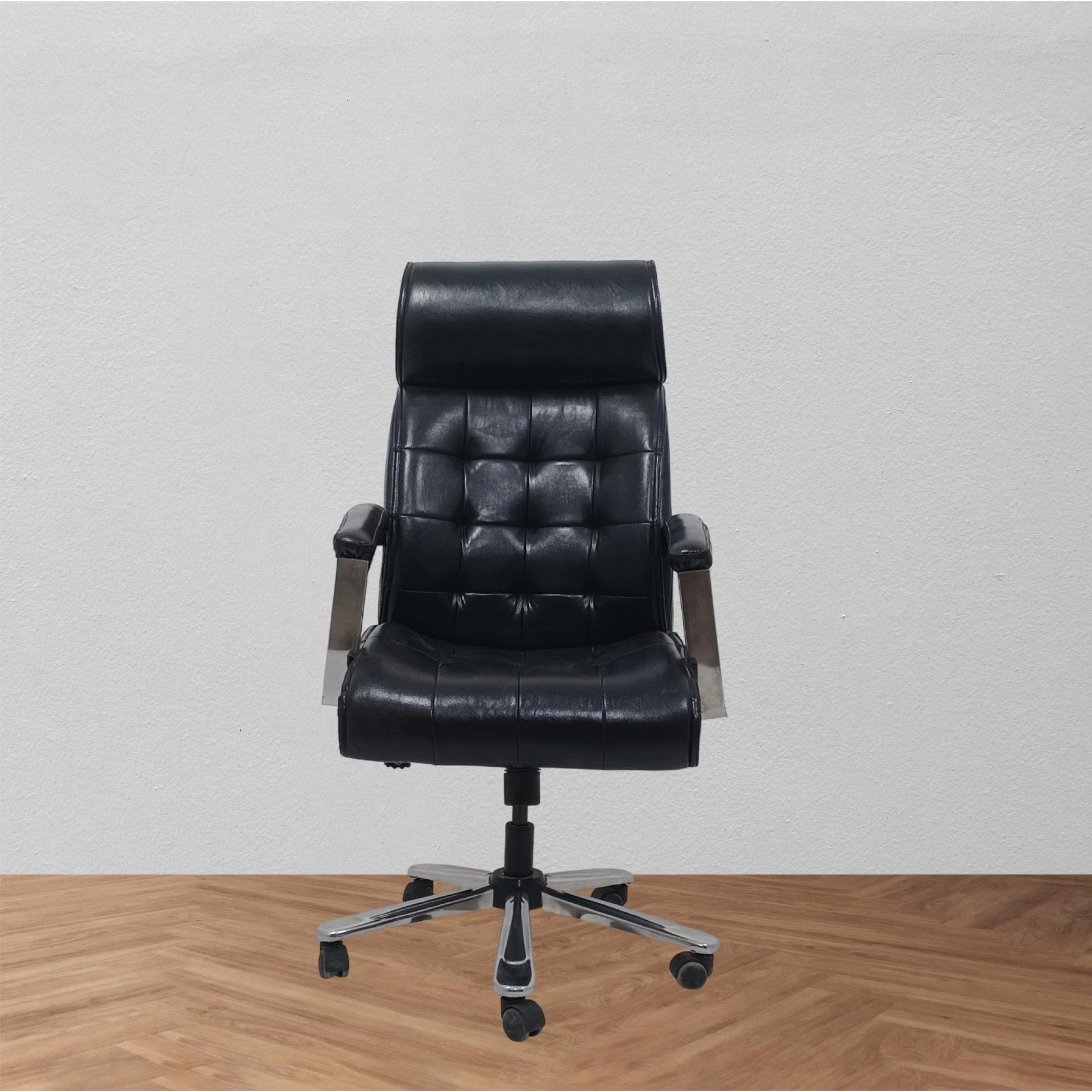
- Leather Chairs: Leather is stylish and easy to clean. However, it may not offer the same level of breathability as fabric.
2. Padding
The type of padding used in an office chair plays a crucial role in comfort. Look for high-density foam or gel padding, which provides better durability and support compared to cheaper alternatives.
3. Mesh Chairs
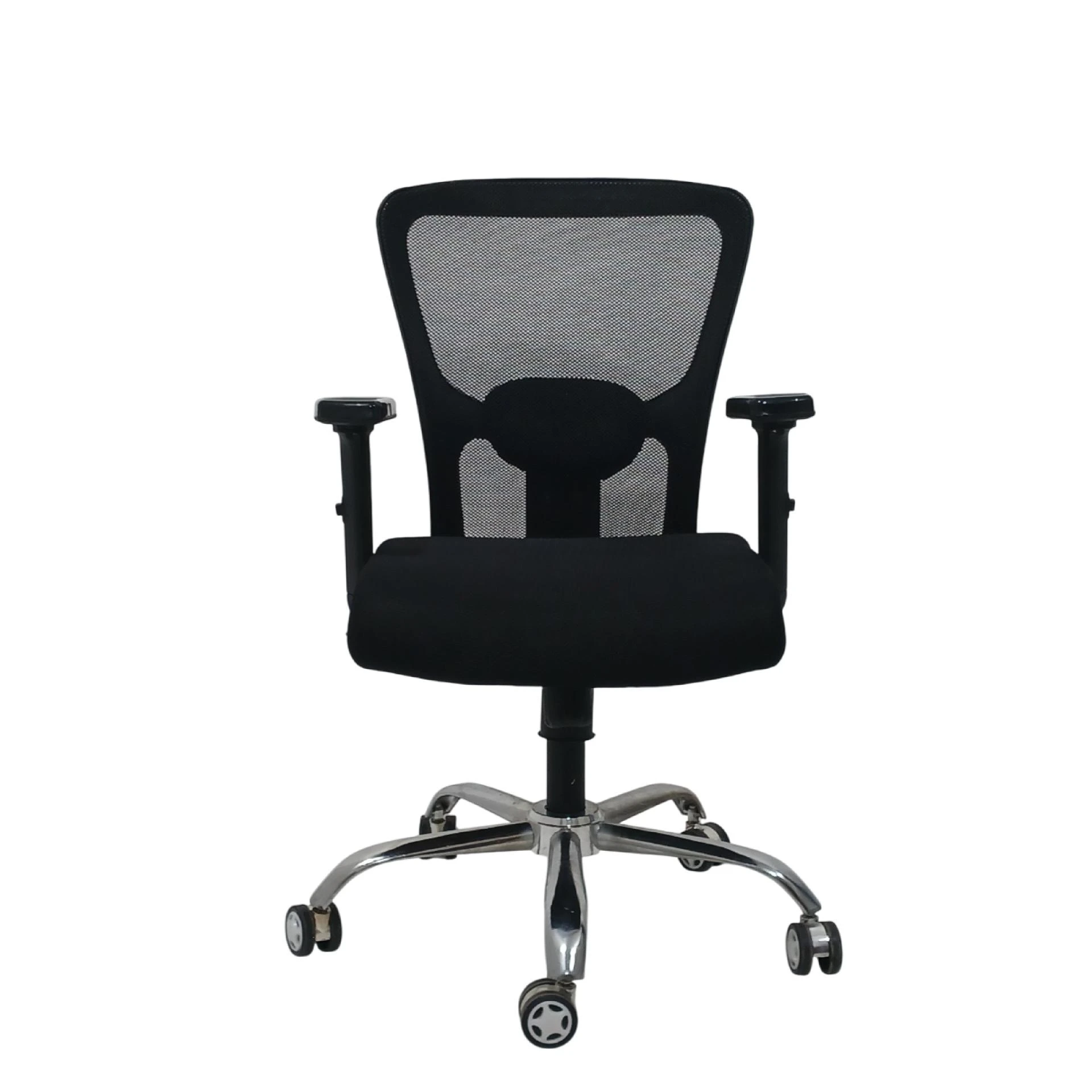
Mesh chairs are becoming popular due to their breathability and lightweight design. They provide good lumbar support and adapt well to different body shapes while keeping you cool.
Style and Aesthetics
While comfort and ergonomics should be your top priorities, the style and aesthetics of your office chair cannot be overlooked. A stylish chair can enhance your workspace and boost your mood. Consider the following:
1. Match Your Decor
Select a chair that complements your office decor. Whether it's modern, traditional, or eclectic, the right chair can enhance the overall ambiance of your workspace.
2. Color Options
Choose a color that resonates with your personality or aligns with your company's branding. Vibrant colors can energize your workspace, while neutral tones can create a calming environment.
Price and Budget
Setting a budget before you start your search for the perfect office chair is essential. Prices can vary significantly based on features, materials, and brand reputation. While it may be tempting to opt for budget-friendly options, keep in mind that investing in a quality chair pays off in comfort and longevity.
1. Warranty and Return Policy
Before making a purchase, check the warranty and return policy. A solid warranty indicates the manufacturer's confidence in their product. Additionally, a generous return policy allows you to test the chair in your workspace and ensure it meets your needs.
Testing the Chair
Whenever possible, physically test the chair before making a decision. If you're shopping online, check if the retailer offers a trial or demonstration period. Here’s what to look for during your testing:
1. Comfort Level
Sit in the chair for an extended period and see how it feels. It should provide adequate support and comfort without causing pressure points.
2. Adjustability
Make sure to test the various adjustable features, such as height, backrest tilt, and armrest position. Adjustments should be easy to make without needing extensive effort.
3. Mobility
If your workspace requires you to move around frequently, test the chair's wheels and swivel feature. A chair that glides smoothly can enhance productivity.
Common Mistakes to Avoid
Choosing the wrong chair can lead to discomfort and health issues. Here are some common mistakes to avoid:
1. Ignoring Ergonomics
Many individuals overlook ergonomic features in favor of aesthetics or brand name. However, sacrificing comfort can lead to long-term health issues.
2. Settling for a One-Size-Fits-All Solution
Each person’s body is unique. Don’t assume that a chair will fit everyone in your office equally. Look for chairs that offer customizable features.
3. Overlooking Maintenance Needs
Different materials require different levels of maintenance. Consider how much effort you’re willing to invest in cleaning and keeping your chair in good condition.
Conclusion
Choosing the best office chair involves understanding ergonomics and prioritizing comfort, quality, and aesthetics. It’s essential to consider various features, materials, and price points. By following the outlined guidelines, you can make an informed choice that supports your health and productivity.



























Sign in to leave a comment.