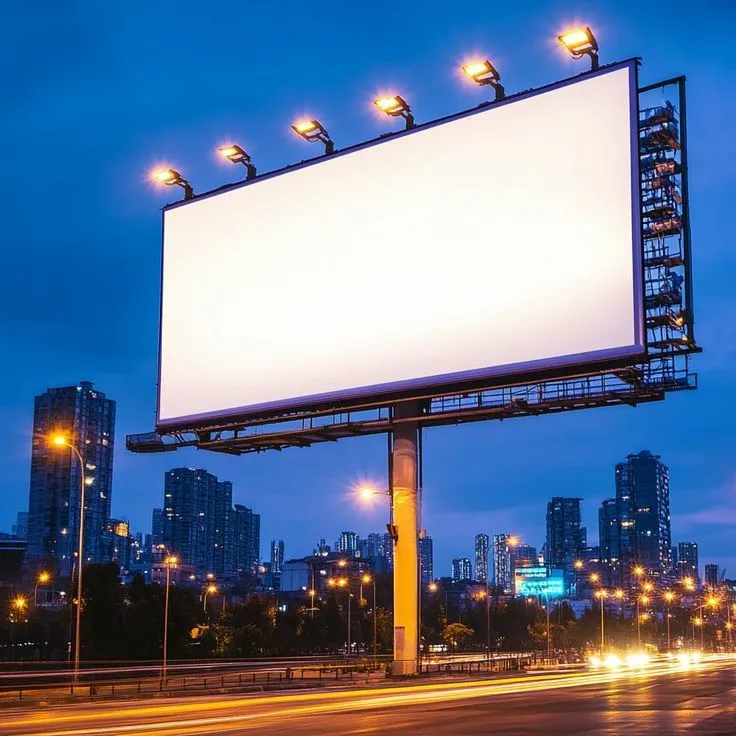

Choosing the right Out-of-Home (OOH) location can make the difference between an average campaign and one that delivers exceptional brand recall. In India, where consumer travel patterns range from metro highways to busy local market streets, location strategy plays a major role in campaign success. A large billboard alone does not guarantee results. The real impact comes from placing it where the right audience sees it repeatedly and at the right time.
With increasing competition in urban spaces, brands need to think beyond visibility and focus on relevance, frequency, and audience intent. A strategically chosen OOH location helps improve awareness, strengthens recall, and can even drive direct action when placed close to decision-making zones.
Start with a Clear Campaign Objective
The first step in selecting the best OOH location is understanding your campaign goal. If your objective is mass awareness, highways, arterial roads, and large city junctions are often ideal because they attract heavy traffic from diverse audiences. If the focus is hyperlocal footfall, locations near malls, retail streets, office areas, or residential neighborhoods work much better.
The location should always align with how your target audience moves daily. For example:
- retail stores perform better near shopping roads
- real estate campaigns work well close to project sites
- food brands gain visibility on evening commute routes
- education campaigns perform strongly near schools and coaching zones
This is where outdoor advertising becomes more strategic, because the placement directly supports the campaign objective. A well-defined objective also helps in selecting the right ad size, format, and duration.
Study Traffic Flow and Audience Movement
A strong OOH location is one that gets consistent and relevant traffic. The best site is not always the most premium one. It is the one where your target audience passes regularly.
Important factors to analyze include:
- vehicle traffic volume
- pedestrian movement
- office commute routes
- shopping traffic on weekends
- metro station access points
- airport and railway road connectivity
A site with repeated daily movement helps improve frequency and strengthens recall over time. For example, a billboard on a route used by office-goers every day creates repeated impressions that naturally stay in memory. Brands should also study peak traffic hours to understand when the maximum number of impressions can be generated.
Check Visibility and Viewing Angle
Even the busiest location can underperform if the ad is difficult to notice. Before finalizing a site, always evaluate its visibility from the audience’s perspective.
Check:
- if trees, poles, or buildings block the view
- whether nearby hoardings create clutter
- the angle of the billboard toward traffic
- readability in daylight and nighttime
- how long commuters can view the message
Locations near traffic signals, U-turns, toll booths, or slow-moving roads often perform better because they increase dwell time. The more time commuters spend looking at the ad, the higher the chances of recall. Good lighting and a clutter-free background also make a huge difference in campaign performance.
Match the Site with the Right Audience
One of the most important factors in OOH planning is audience relevance. A premium business district may work well for luxury brands, while crowded local markets are better for FMCG or retail campaigns.
For example:
- premium products: airports, malls, business hubs
- FMCG brands: local markets, bus shelters, high-footfall streets
- B2B services: IT parks, metro stations, corporate zones
- entertainment campaigns: cinema roads, colleges, nightlife streets
Choosing a location based on who travels there makes outdoor advertising far more effective than simply choosing the busiest road. A targeted audience fit ensures that impressions translate into stronger response and recall.
Select the Right OOH Format for the Location
The format you choose should match the movement behavior of the location. Different OOH formats work better in different environments.
Examples:
- billboards and hoardings: highways and major roads
- DOOH screens: malls, airports, premium intersections
- bus shelters: neighborhood retail zones
- metro branding: office commuter routes
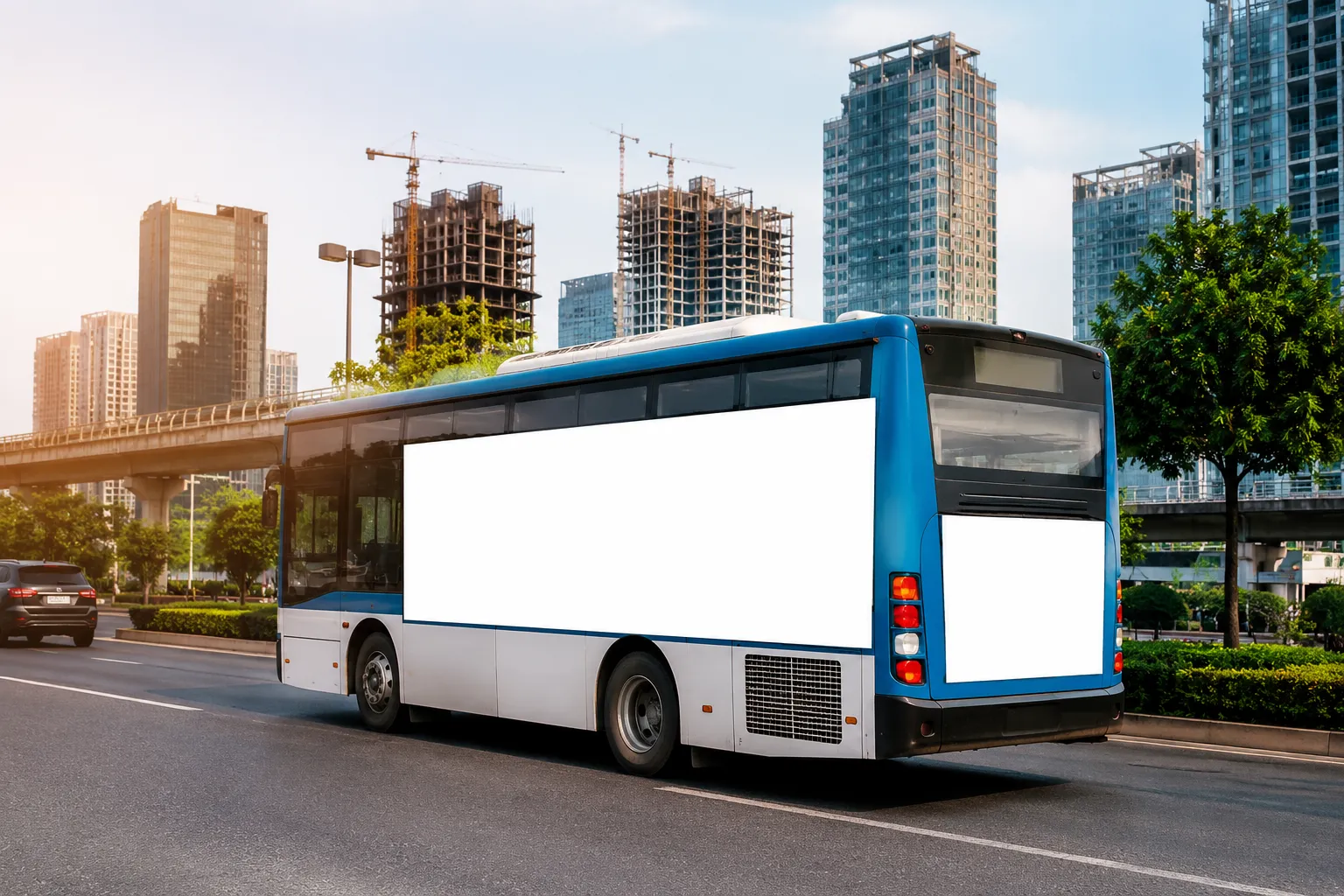
- transit wraps: citywide route frequency
The right format-location combination improves message visibility and campaign performance. For example, digital OOH works especially well in premium zones where motion and dynamic creatives can capture attention faster.
Prioritize Locations Near Action Points
A highly effective OOH strategy is to place ads near areas where people can take action quickly.
Examples include:
- near your store
- close to a dealership
- before a mall entrance
- near a highway exit
- outside a competitor’s outlet
- close to event venues
When audiences can act immediately after seeing the message, response rates often improve. This works especially well for retail, food delivery, and local service campaigns.
Avoid Common Location Selection Mistakes
Many campaigns fail because the location is chosen based only on price. Lower-cost sites may come with poor visibility, wrong audience targeting, or low dwell time.
Common mistakes include:
- selecting cluttered areas
- using text-heavy creatives on fast roads
- ignoring night visibility
- choosing irrelevant audience zones
- placing ads too far from conversion points
- short campaign durations with low frequency
Avoiding these mistakes can significantly improve ROI. Brands should also avoid over-prioritizing reach without checking whether the audience is actually relevant.
Conclusion
The best OOH location in India is not simply the biggest billboard or the busiest road. It is the location that aligns with your audience, campaign objective, traffic flow, and visibility conditions.
A strategic approach to location selection helps improve recall, frequency, and campaign response. When brands carefully combine audience movement, dwell time, and visibility with the right placement, OOH campaigns can deliver much stronger performance, better ROI, and long-term brand impact.





















Sign in to leave a comment.