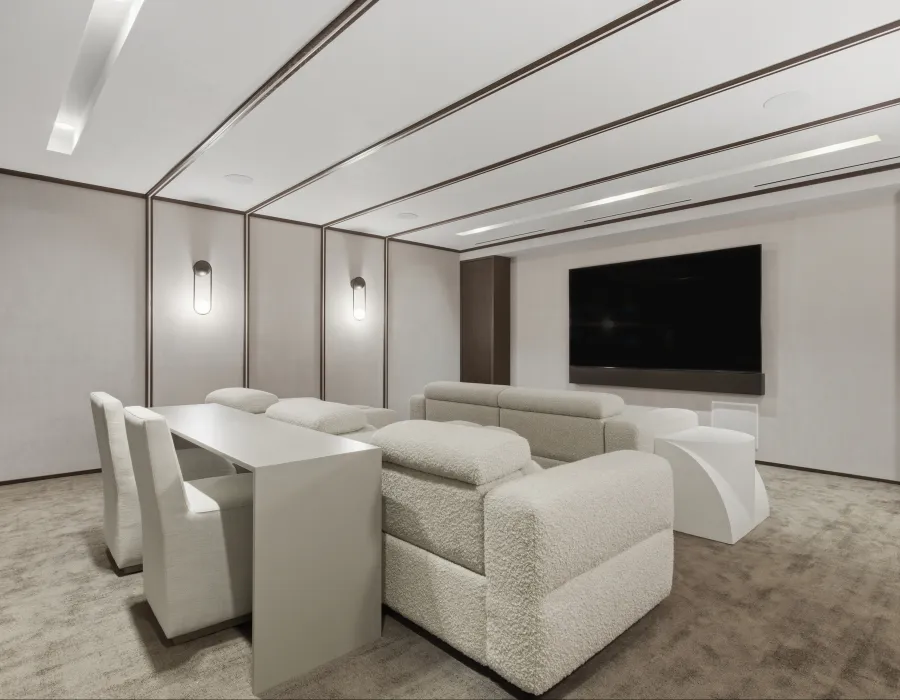

Selecting the right software has become an important decision for real estate professionals, photographers, and property marketers who want to create attractive listing images. Modern buyers expect visually appealing properties that help them imagine living in the space before scheduling a showing. Virtual staging software makes it possible to transform empty rooms into beautifully furnished interiors while maintaining realistic results. Understanding the essential features, benefits, and selection criteria helps professionals choose a solution that improves marketing quality, enhances listing presentation, and supports successful property sales.
Understanding Virtual Staging Software
What Virtual Staging Software Does
Virtual staging software allows users to digitally furnish vacant properties by adding realistic furniture, decorative accessories, lighting improvements, and design elements to existing photographs. Instead of physically moving furniture into a home, digital tools create inviting interiors that showcase the potential of every room. This technology helps buyers understand room layouts, visualize furniture placement, and appreciate the functionality of each space while reducing the cost and effort associated with traditional staging.
Why It Has Become Essential
The majority of property searches now begin online, where listing images determine whether buyers continue exploring a home. Empty rooms often appear smaller and less welcoming, making it difficult for buyers to imagine how the property could look when furnished. Virtual staging software solves this challenge by creating professionally designed interiors that capture attention, increase buyer engagement, and improve the overall effectiveness of property marketing.
Evaluate Image Quality First
Look for Realistic Results
The most important feature of any virtual staging software is its ability to produce realistic images. Furniture should appear naturally positioned with proper proportions, accurate lighting, and believable shadows. Every design element should blend seamlessly into the original photograph without looking artificial. High quality staging creates buyer confidence and helps listings appear professional while maintaining an honest representation of the property's available space.
Preserve Architectural Details
Good staging software enhances a room without covering or altering its permanent architectural features. Flooring, windows, walls, ceilings, and built in fixtures should remain clearly visible throughout the finished image. Buyers need to evaluate the property's true structure while enjoying the benefits of tasteful digital furnishings that demonstrate the room's potential.
Consider Ease of Use
Choose an Intuitive Interface
Software should provide a simple and organized workflow that allows users to create staged images efficiently. Clear menus, logical editing tools, and straightforward navigation reduce the learning curve while helping professionals complete projects more quickly. An intuitive platform allows photographers and real estate professionals to focus on producing attractive marketing materials rather than struggling with complicated editing processes.
Support Efficient Workflows
Time plays an important role in real estate marketing because listings often need to reach the market quickly. Efficient software allows users to complete staging projects with minimal effort while maintaining consistent quality. Faster workflows improve productivity and help professionals manage larger volumes of property images without sacrificing visual standards.
Explore Furniture and Design Options
Look for Diverse Furniture Collections
Every property has a unique architectural style that deserves matching interior design. The best virtual staging software offers a wide selection of furniture suitable for modern, traditional, luxury, minimalist, and family oriented homes. A broad design library allows users to create interiors that complement different property types while appealing to their target audience.
Include Decorative Accessories
Furniture alone does not create inviting interiors. Decorative accessories such as rugs, artwork, lighting fixtures, plants, curtains, and table decorations help complete each room naturally. Software with extensive accessory collections enables users to produce balanced, attractive interiors that feel comfortable without becoming overcrowded or unrealistic.
Focus on Customization Features
Adapt Designs to Individual Properties
No two properties are exactly alike, making customization an essential feature. Software should allow users to adjust furniture placement, scale, colors, and decorative arrangements to suit each room's dimensions and architectural style. Flexible customization creates more believable interiors while ensuring that every listing receives a unique presentation.
Match Buyer Preferences
Different properties appeal to different audiences. Family homes may benefit from warm and practical furnishings, while luxury properties often require elegant interiors with premium design elements. Customization allows professionals to tailor staged images according to the preferences of their likely buyers, increasing the effectiveness of property marketing.
Evaluate Editing Capabilities
Improve Overall Image Quality
Many virtual staging platforms include additional editing tools that improve the quality of the original property photographs. Features such as brightness correction, color balancing, perspective adjustment, and detail enhancement help create polished listing images before furniture is added. Combining staging with image enhancement produces stronger marketing materials that attract greater buyer interest.
Maintain Consistent Results
Consistency across every image within a listing contributes to a professional presentation. Editing tools should produce uniform brightness, color balance, and image quality throughout the entire property gallery. Consistent visuals improve buyer confidence while strengthening the overall appearance of the listing.
Consider Processing Speed
Meet Fast Marketing Deadlines
Real estate professionals often work with tight schedules, making processing speed an important consideration. Software that delivers high quality results quickly allows listings to reach the market sooner. Faster turnaround supports efficient marketing campaigns while helping sellers capitalize on favorable market conditions without unnecessary delays.
Support High Volume Projects
Photographers and marketing agencies frequently process multiple properties each week. Software capable of handling larger workloads efficiently improves productivity while maintaining consistent editing quality. Reliable performance becomes especially valuable during busy selling seasons when demand for marketing materials increases significantly.
Ensure Realistic Presentation
Avoid Overstaging
Successful virtual staging highlights the property's strengths without overwhelming the available space. Rooms should remain open, balanced, and functional rather than crowded with excessive furniture or decorations. Simple, tasteful designs appeal to a broader audience while allowing buyers to imagine adding their own personal style after purchasing the home.
Maintain Honest Marketing
Professional staging should accurately represent the property's size, layout, and permanent features. Digital furniture should demonstrate possibilities without creating unrealistic expectations. Honest presentation builds buyer trust while reducing the likelihood of disappointment during in person property visits.
Support Multiple Marketing Platforms
Optimize Images for Online Listings
Property images appear across numerous digital channels including listing websites, email campaigns, social media platforms, and digital advertisements. Virtual staging software should produce images that maintain excellent quality regardless of where they are displayed. High resolution output supports consistent presentation across every marketing platform.
Improve Social Media Performance
Visually appealing staged images naturally attract greater engagement on social media. Attractive interiors encourage users to stop scrolling, explore listings, and share properties with others. Increased online visibility helps expand marketing reach while generating additional buyer interest.
Plan for Future Growth
Choose Software That Evolves
Technology continues advancing rapidly, making it beneficial to select software that regularly introduces new furniture collections, editing features, and performance improvements. Ongoing development helps professionals remain competitive while meeting changing buyer expectations and evolving marketing standards.
Prepare for Changing Buyer Expectations
Digital property marketing continues becoming more sophisticated as buyers expect increasingly realistic and engaging listing presentations. Selecting flexible software that supports future innovation allows professionals to adapt successfully while continuing to deliver attractive marketing materials that capture buyer attention.
Final Thought
Choosing the right virtual staging software requires careful evaluation of image quality, customization options, workflow efficiency, editing capabilities, and realistic presentation. The best solution supports attractive property marketing while helping buyers visualize each home's full potential through professionally designed interiors. As digital marketing continues to shape the real estate industry, high quality virtual staging remains an essential advantage for successful listings. AutoHDR provides advanced image enhancement solutions that help real estate professionals create polished property presentations, improve listing performance, and confidently showcase homes in today's competitive market.


























Sign in to leave a comment.