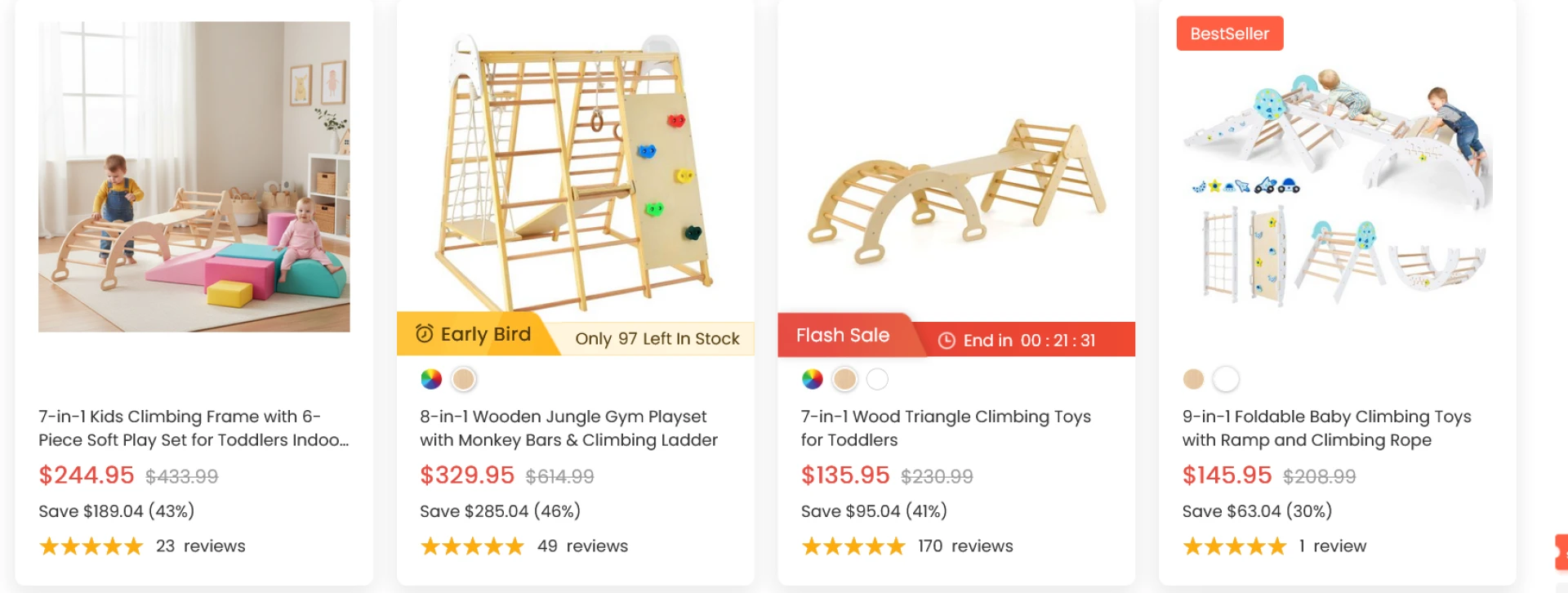
When it comes to helping your child develop physical skills, coordination, and confidence, a baby climbing frame is an excellent addition to your home. These versatile play structures offer more than just fun—they provide a safe environment for toddlers to explore, climb, and strengthen their muscles. Choosing the right climbing frame, however, requires understanding your child’s needs, available space, and safety features.
Why a Baby Climbing Frame is Essential
Toddlers are naturally curious and energetic. They love to explore their surroundings, and climbing is a natural part of their development. A baby climbing frame encourages active play, which contributes to:
- Physical Development: Climbing builds strength in arms, legs, and core muscles.
- Coordination and Balance: Navigating steps, ramps, and slides enhances motor skills.
- Confidence and Independence: Successfully climbing and exploring boosts self-esteem.
- Safe Indoor Play: Especially during bad weather, indoor climbing frames provide a safe outlet for energy.
By providing your child with a structured environment to climb and explore, you’re helping them develop crucial physical and cognitive skills while keeping playtime safe and supervised.
How to Choose the Right Baby Climbing Frame
Selecting the perfect climbing frame for your baby involves considering several factors:
1. Age and Skill Level
Climbing frames are designed with different age ranges in mind. For younger toddlers, choose frames with low heights, soft edges, and wide steps. Older toddlers may benefit from slightly taller frames with more climbing challenges, but safety should always come first.
2. Material and Build Quality
Baby climbing frames are typically made from wood, plastic, or metal. Plastic frames are lightweight, easy to clean, and perfect for indoor use. Wooden frames offer durability and a classic look, while metal frames tend to be very sturdy but may require additional padding for safety. Ensure that all materials are non-toxic and free from sharp edges.
3. Safety Features
Safety is the most crucial factor. Look for climbing frames with:
- Rounded corners to prevent injuries
- Anti-slip steps or surfaces
- Low heights for indoor frames
- Smooth finishes to avoid splinters or cuts
Additionally, check weight limits and follow the manufacturer’s recommendations. Supervision is always necessary, even with a safe climbing frame.
4. Space Considerations
Measure the area where you plan to place the climbing frame. Ensure there’s enough room around the frame for safe movement and landing in case of slips. Indoor frames should fit comfortably in your living room, playroom, or nursery without obstructing pathways.
5. Interactive Features
Many climbing frames come with extra features like slides, swings, tunnels, and sensory panels. These additions make playtime more exciting and can stimulate your child’s curiosity. Choose a frame that matches your child’s interests to keep them engaged.
Top Tips for Using a Baby Climbing Frame
Once you have the perfect frame, it’s important to use it correctly to maximize safety and fun:
- Supervise Playtime: Always stay close to your child, especially during the early stages of climbing.
- Teach Safe Climbing: Show your child how to hold on, step carefully, and go down safely.
- Rotate Activities: Keep the climbing experience fresh by rearranging tunnels, slides, or adding toys around the frame.
- Regular Checks: Inspect the frame periodically for loose screws, cracks, or worn parts.
By following these tips, you ensure that playtime remains both fun and safe.
Benefits Beyond Physical Activity
A baby climbing frame isn’t just about exercise. It offers a range of developmental benefits:
- Social Skills: If siblings or friends play together, your child learns to share, take turns, and cooperate.
- Problem-Solving: Climbing encourages children to assess risks, choose paths, and make decisions.
- Imagination: Frames with tunnels or slides can be transformed into forts, castles, or adventure courses, sparking creativity.
These benefits make climbing frames a worthwhile investment for parents who want to support holistic child development.
Indoor vs. Outdoor Baby Climbing Frames
While some families prefer outdoor frames in the backyard, indoor frames have unique advantages:
- Weather-Proof Play: Rain or cold won’t limit playtime.
- Space-Saving: Many indoor frames are compact and foldable.
- Supervised Environment: You can keep an eye on your child more easily indoors.
Outdoor frames, on the other hand, often provide larger structures and natural terrain for climbing. Depending on your home setup, you might even consider having both options.
How to Maintain Your Baby Climbing Frame
Proper maintenance ensures the frame remains safe and enjoyable:
- Clean Regularly: Wipe plastic frames with mild soap and water. For wooden frames, use a damp cloth and avoid harsh chemicals.
- Tighten Screws: Periodically check that all screws and bolts are secure.
- Inspect for Damage: Look for cracks, splinters, or worn-out parts. Replace or repair as needed.
- Storage: If the frame is foldable, store it during extended periods of non-use to preserve its longevity.
Maintaining the frame is simple but crucial for your child’s safety and continued enjoyment.
Final Thoughts
A baby climbing frame can transform your home into a space filled with active, imaginative, and safe play. By considering your child’s age, skill level, space, and safety features, you can select a frame that provides countless hours of fun and developmental benefits. Whether indoors or outdoors, climbing frames are a great investment in your child’s physical, cognitive, and social growth.



























Sign in to leave a comment.