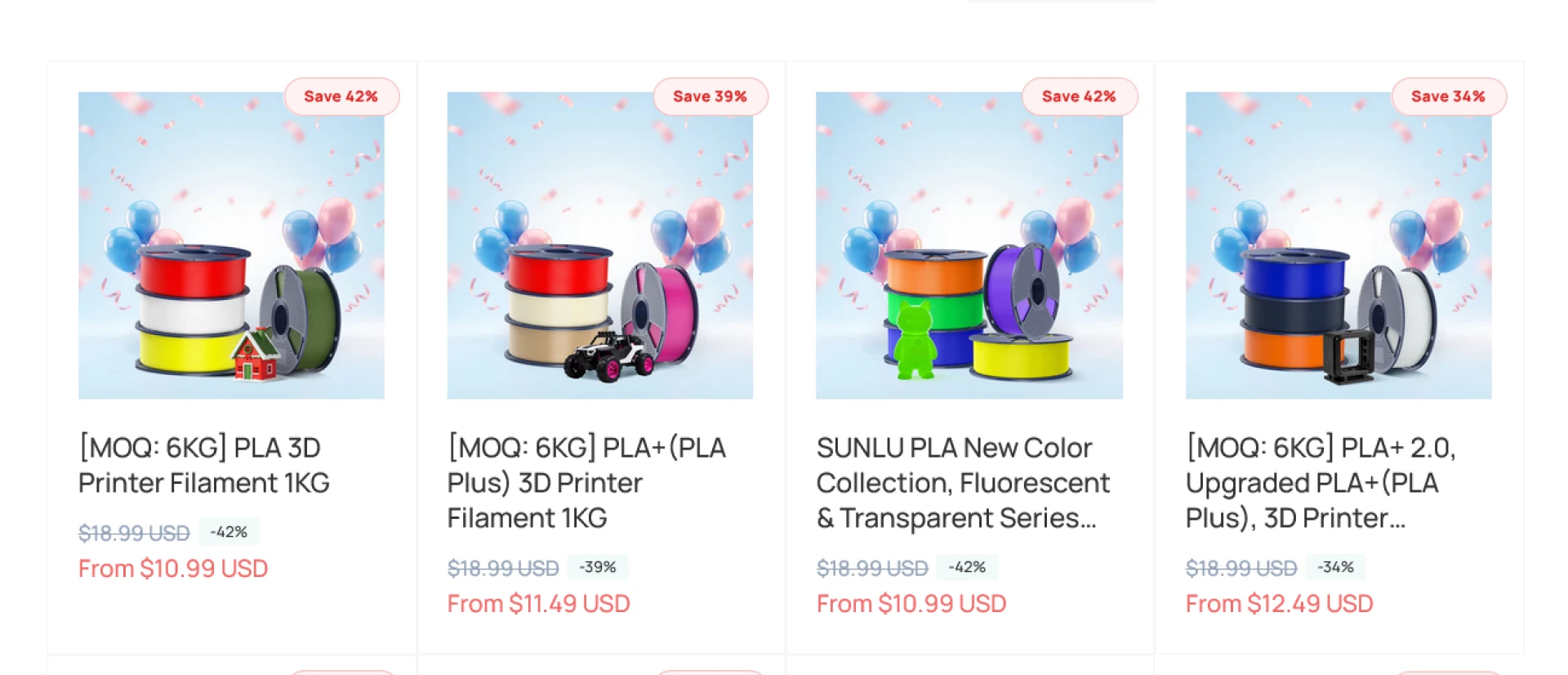
3D printing has become one of the most exciting technologies for makers, hobbyists, and professionals alike. Whether you are creating prototypes, household items, or creative designs, the material you use plays a major role in the final result. Choosing the right 3D Printer Filament can determine the strength, flexibility, and overall quality of your printed object.
When I first started using a 3D printer, I quickly realized that not all filaments behave the same way. Some are easier to print with, while others offer stronger or more flexible results. Understanding the differences between filament types helps ensure your projects turn out exactly the way you want.
What Is 3D Printer Filament?
In simple terms, filament is the raw material used in most FDM (Fused Deposition Modeling) 3D printers. It usually comes in a spool and is fed through the printer’s hot end, where it melts and is deposited layer by layer to build a 3D object.
Different materials are used to make filament, and each type has unique properties. Some are strong and durable, while others are flexible, heat-resistant, or easy to print with. Choosing the right material depends on what you plan to create and how the final object will be used.
If you’re new to printing, exploring reliable options such as 3D Printer Filament can help you find materials designed for both beginners and experienced makers.
Why Filament Choice Matters
The filament you choose directly affects several important aspects of your print:
Print Quality
Some filaments flow more smoothly and produce cleaner layers. This results in better surface finishes and fewer printing errors.
Strength and Durability
Objects that need to withstand pressure or weight require stronger materials. Certain filaments are specifically designed for durability.
Ease of Printing
Some materials are beginner-friendly and less prone to warping, while others require precise temperature control and experience.
Application
A decorative object, a mechanical part, and a flexible phone case all require different types of filament. Matching the material to the project is key.
Understanding these factors helps you make smarter decisions when selecting materials.
Most Popular Types of 3D Printing Filaments
Over time, I’ve experimented with several types of filament. Here are some of the most widely used options in the 3D printing community.
PLA (Polylactic Acid)
PLA is often recommended for beginners because it is easy to print and produces high-quality results.
Key advantages include:
- Low printing temperature
- Minimal warping
- Smooth surface finish
- Environmentally friendly material
PLA works well for decorative models, prototypes, and educational projects.
ABS (Acrylonitrile Butadiene Styrene)
ABS is known for its strength and durability. It is commonly used in industrial and mechanical parts.
Benefits include:
- Strong and impact resistant
- Heat resistant
- Ideal for functional parts
However, ABS requires higher temperatures and often performs best in printers with heated beds or enclosed chambers.
PETG (Polyethylene Terephthalate Glycol)
PETG is a popular middle ground between PLA and ABS. It offers strength while still being relatively easy to print.
Advantages include:
- Strong and durable
- Moisture resistant
- Flexible but stable
PETG is great for containers, mechanical parts, and outdoor prints.
TPU (Thermoplastic Polyurethane)
TPU is a flexible filament used to create soft and bendable objects.
Common uses include:
- Phone cases
- Wearable products
- Flexible mechanical parts
Because of its flexibility, TPU requires slower printing speeds and careful calibration.
How to Choose the Best Filament for Your Needs
When selecting a filament, I usually consider a few important factors before starting a project.
1. Project Purpose
Think about how the printed object will be used. Decorative items may only require PLA, while functional parts may need stronger materials like ABS or PETG.
2. Printer Compatibility
Not every printer handles every filament type equally well. Some materials require higher temperatures or special hardware.
3. Print Environment
Temperature and humidity can affect filament performance. For example, ABS benefits from a controlled printing environment.
4. Skill Level
Beginners often get the best results starting with PLA before experimenting with more advanced materials.
Taking time to evaluate these factors helps reduce printing failures and wasted material.
Tips for Getting Better 3D Printing Results
Even with the right filament, proper printing techniques make a big difference. Here are a few practices that have helped me improve my results.
Store Filament Properly
Moisture can damage filament and cause printing issues. Keep spools sealed in dry containers or bags with desiccant.
Use the Correct Temperature
Each filament type has recommended temperature ranges. Following these guidelines ensures smooth extrusion and strong layer bonding.
Adjust Print Speed
Different materials perform best at different speeds. Slower printing often produces higher quality results.
Keep Your Printer Maintained
Regular cleaning and calibration of your printer help maintain consistent print quality.
These simple habits can dramatically improve the success rate of your prints.
Common Mistakes Beginners Make
When starting out, many users encounter similar problems. Avoiding these mistakes can save both time and filament.
Using the wrong temperature settings
Incorrect temperatures can lead to weak layers or poor adhesion.
Ignoring bed adhesion
If the first layer doesn’t stick properly, the entire print may fail.
Choosing complex materials too early
Some filaments require advanced settings. Starting with beginner-friendly materials makes learning easier.
Not testing settings
Running small test prints before large projects helps fine-tune your settings.
Learning from these early mistakes makes the entire printing process smoother and more enjoyable.
The Future of 3D Printing Materials
The world of 3D printing materials is constantly evolving. New filaments are being developed to improve strength, sustainability, and performance.
Some exciting trends include:
- Carbon fiber reinforced filaments
- Eco-friendly biodegradable materials
- High-temperature industrial filaments
- Conductive materials for electronics
As technology advances, users will have even more options to create innovative designs and functional products.
Final Thoughts
Choosing the right filament is one of the most important decisions in 3D printing. The material you select affects print quality, strength, flexibility, and overall project success.
By understanding the differences between materials like PLA, ABS, PETG, and TPU, you can select the best option for each project. Taking the time to learn about filament properties and printing techniques will help you achieve better results and avoid common mistakes.



























Sign in to leave a comment.