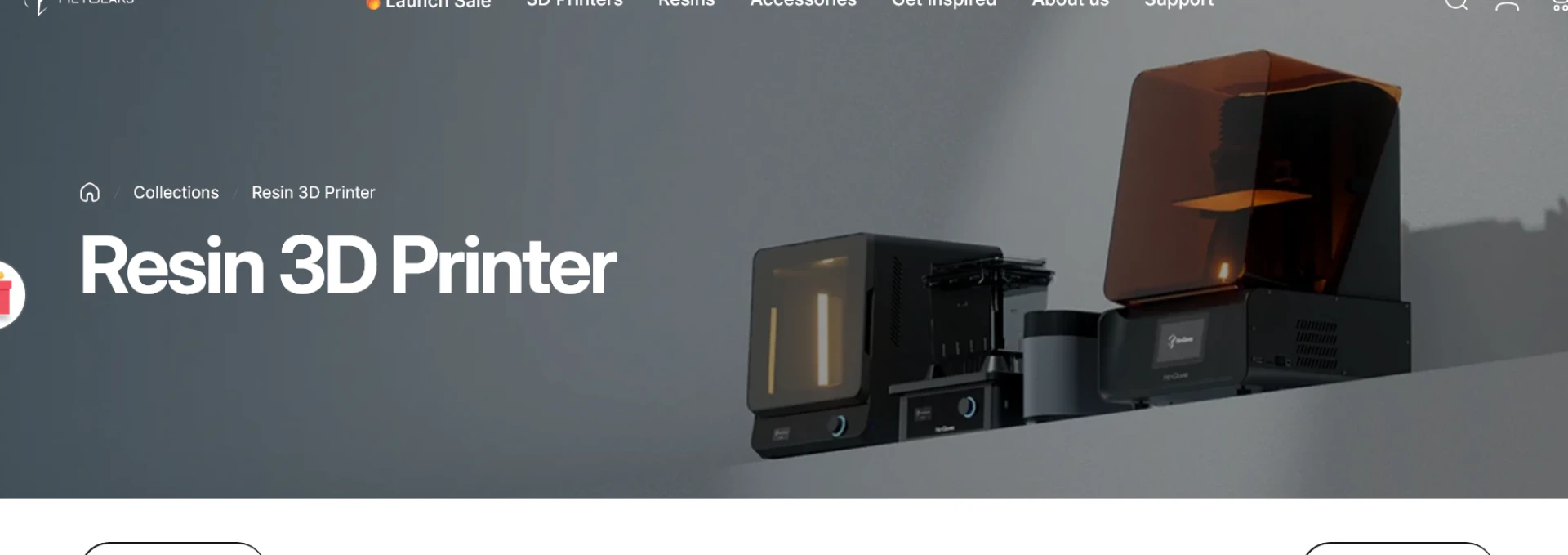
If you’ve been curious about 3D printing, you may have heard about resin 3D printing. Unlike traditional filament-based printers, resin printing delivers ultra-detailed, high-resolution results, making it perfect for miniatures, jewelry, and functional prototypes. In this guide, I’ll walk you through everything you need to know to start your own resin 3D printing journey.
What Is Resin 3D Printing?
Resin 3D printing is a type of additive manufacturing that uses liquid photopolymer resin, cured layer by layer with a UV light source to create precise 3D objects. Unlike FDM printers that deposit melted plastic filament, resin printers work on a photochemical process. This allows them to produce intricate details and smooth surfaces that are difficult to achieve with other methods.
From highly detailed figurines to functional mechanical parts, resin printing has become a popular choice for both hobbyists and professionals. It’s particularly favored in industries like dentistry, jewelry, and tabletop gaming because of the level of precision it offers.
Why Choose Resin 3D Printing?
There are several reasons I chose to explore resin 3D printing:
- High Detail and Smooth Finish: Resin printing creates smoother surfaces and sharp details, eliminating the visible layers often seen in filament-based prints.
- Durability: Depending on the resin type, prints can be rigid, flexible, or even heat-resistant.
- Customizability: You can find resins in various colors, translucencies, and finishes to fit your project needs.
- Speed for Small Objects: While large prints can take time, small, detailed items are printed quickly with excellent resolution.
These advantages make resin printing a great option for anyone looking to create professional-quality models at home or for small-scale production.
Getting Started: Essential Tools and Materials
To start resin 3D printing, you’ll need more than just a printer. Here’s a breakdown of the essential components:
- Resin 3D Printer: This is the core of the setup. I personally started with a beginner-friendly resin printer that balances quality and price. You can check some options here.
- UV Resin: This is the material that forms your prints. There are standard, flexible, and specialty resins for different applications.
- UV Curing Station or UV Lamp: After printing, resin objects need to be cured to reach full strength.
- Safety Gear: Gloves and masks are essential since uncured resin can irritate the skin and eyes.
- Tools for Post-Processing: This includes alcohol for cleaning prints, spatulas for removing models, and sandpaper for finishing touches.
Step-by-Step Guide to Resin 3D Printing
Here’s how I approach a resin print from start to finish:
- Design or Download a Model: You can use software like Blender, Tinkercad, or download pre-made designs from repositories like Thingiverse.
- Slice Your Model: Use slicer software compatible with your printer to convert the 3D model into printable layers. This step also allows you to add supports for overhanging parts.
- Set Up Your Printer: Pour the resin into the printer vat and make sure the build plate is leveled properly.
- Start Printing: Once the printer begins, it cures each layer sequentially. The process may take anywhere from 30 minutes to several hours, depending on the model size.
- Post-Processing: After printing, remove the model carefully, clean it with isopropyl alcohol to remove excess resin, and cure it under UV light. Sanding or painting can be done to finish the model.
Tips for Better Results
Resin printing can be tricky at first, but these tips have improved my results significantly:
- Work in a Well-Ventilated Area: Resin fumes can be strong, so proper ventilation is a must.
- Check for Supports: Overhangs need supports; otherwise, parts may fail during printing.
- Level Your Build Plate: An unlevel plate can ruin a print. Always double-check before starting.
- Avoid Overexposure: Too much UV curing can make prints brittle; too little and they remain soft.
- Clean Regularly: Maintain your printer by cleaning the resin vat and removing cured particles to prevent defects.
Common Challenges and How to Overcome Them
Like any technology, resin printing comes with challenges. Here’s what I’ve encountered:
- Print Adhesion Issues: If prints don’t stick to the build plate, make sure the plate is properly leveled and slightly roughened if needed.
- Layer Lines or Artifacts: Adjust your printer’s exposure settings or clean the resin thoroughly.
- Resin Waste: Avoid pouring leftover resin back into the bottle; always filter it first to prevent contamination.
- Skin Contact: Always wear gloves and avoid direct contact with uncured resin.
Applications of Resin 3D Printing
Resin printing isn’t just for hobbyists—it has real-world applications:
- Miniatures and Figurines: Ideal for tabletop games or collectibles due to high-detail output.
- Jewelry Prototypes: Allows designers to print intricate patterns before casting in metal.
- Dental and Medical Models: Used for creating accurate dental molds and anatomical models.
- Functional Parts: Depending on the resin type, you can create durable, lightweight components for engineering projects.
The versatility of resin printing means it’s no longer limited to hobbyists; professionals in various industries rely on it for precision work.
Choosing the Right Resin
Not all resins are created equal. Here are the main types I’ve worked with:
- Standard Resin: Affordable and great for general-purpose models.
- Tough Resin: Designed for durable parts that can withstand stress.
- Flexible Resin: Allows for bending without breaking, perfect for wearable items.
- Castable Resin: Burns out cleanly, ideal for metal casting in jewelry making.
Choosing the right resin depends on your project needs, desired finish, and mechanical properties.
Conclusion
Resin 3D printing has completely changed the way I approach creative and technical projects. With the right setup, some patience, and attention to detail, you can produce stunning, high-quality models that look professional. Whether you’re a hobbyist making miniatures or a designer prototyping functional parts, resin printing offers a level of precision that filament printers can’t match.


























Sign in to leave a comment.