If you’re a homeowner, gardener, or DIY enthusiast, you know the struggle: the garage becomes a black hole for tools, lawn equipment, and garden supplies. Before long, there’s no room for your car, and finding a simple screwdriver turns into a treasure hunt. A tool shed is the perfect solution—a dedicated outdoor space to store everything securely while freeing up your garage.
But with so many options—wood, resin, metal, small or large—how do you pick the right one? In this guide, we’ll walk you through the key factors to consider when choosing a tool shed that fits your needs, budget, and backyard style. And when you’re ready to shop, check out the high-quality options available at HomeDIYer’s Tool Shed Collection.
1. Material Matters: Wood, Resin, or Metal?
The material of your shed determines its durability, maintenance, appearance, and cost. Let’s break down the pros and cons of each.
Wood Sheds
- Pros: Classic, rustic look; blends naturally with landscaping; can be painted or stained to match your home; generally very sturdy.
- Cons: Requires regular maintenance (staining, sealing, painting) to prevent rot, insect damage, and weather wear; can be more expensive upfront.
- Best for: Homeowners who prioritize aesthetics and don’t mind yearly upkeep.
Resin (Plastic) Sheds
- Pros: Lightweight, rust-proof, rot-proof, and virtually maintenance-free; easy to assemble and clean; often UV-protected to prevent fading; resistant to dents and scratches.
- Cons: May not be as sturdy as wood or metal in extreme weather; can look less “premium” if not well-designed.
- Best for: Busy homeowners who want a low-maintenance, long-lasting solution.
Metal Sheds
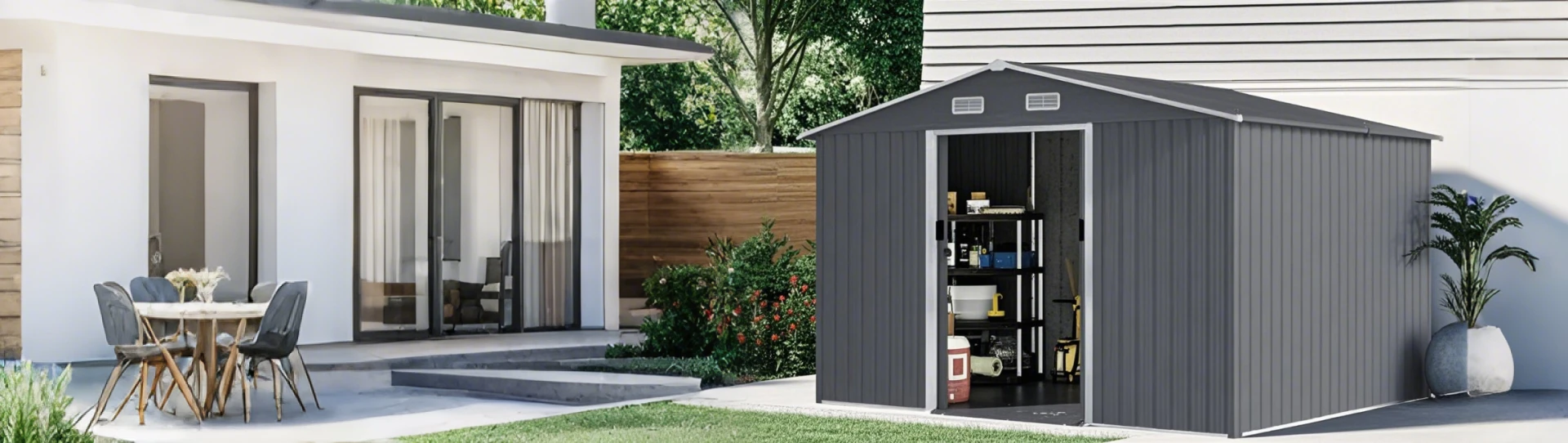
- Pros: Extremely durable and secure; fire-resistant; impervious to pests; often the most affordable option.
- Cons: Prone to rust if the coating gets scratched; can dent; may require ventilation to reduce condensation; can be noisy in rain or hail.
- Best for: Those needing maximum security for valuable tools and equipment.
When comparing materials, also consider your local climate. For example, metal sheds may get very hot in direct sun, while wood can warp in high humidity. If you’re looking for a curated selection of all three types, explore the durable outdoor and garden storage solutions at HomeDIYer—they offer a range of materials to match every need.
2. Size and Space Planning: Measure Twice, Buy Once
Before purchasing, take inventory of everything you plan to store. Do you need space for a riding mower, snow blower, and large power tools, or just hand tools, garden hoses, and potting supplies? Here’s a quick sizing guide:
- Small (4x6 ft to 6x8 ft): Ideal for hand tools, gardening supplies, and small equipment.
- Medium (8x10 ft to 10x12 ft): Can accommodate a lawn tractor, bicycles, and larger items.
- Large (12x16 ft and up): Suitable for workshop setups, ATVs, or extensive collections.
Don’t forget to measure your backyard space carefully. Account for door swing clearance, pathways, and local setback requirements. It’s always better to size up a bit—your tool collection will likely grow over time.
3. Ventilation and Security: Don’t Overlook the Details
A well-designed shed does more than just keep things dry. Consider these often-overlooked features:
- Ventilation: If you store chemicals (paint, fertilizers, solvents), proper airflow prevents fume buildup and reduces moisture, which can cause rust or mold. Look for sheds with vents near the roof or consider adding them.
- Security: For expensive tools, a sturdy lock is a must. Some sheds come with reinforced door frames and hasps for padlocks. Metal sheds typically offer the best security.
- Flooring: Some sheds come with floors; others require a separate foundation (concrete slab, gravel, or wood platform). Check what’s included and plan accordingly.
4. Style and Aesthetics: Make It a Backyard Feature
Your shed doesn’t have to be an eyesore. Modern sheds come in a variety of styles, colors, and finishes:
- Barn-style: Classic red or white with sliding doors, adds rustic charm.
- Cottage-style: Curved roofs, decorative windows, blends with garden landscapes.
- Modern minimalist: Clean lines, neutral colors, fits contemporary homes.
Choose a style that complements your house and yard. A well-integrated shed can actually boost your property’s curb appeal.
5. Budget and Long-Term Value
Tool shed prices vary widely based on size, material, and features. While it’s tempting to go for the cheapest option, remember that a shed is a long-term investment. Higher-quality materials and construction will save you money on repairs and replacement down the road. Also factor in any extra costs like foundation prep, delivery, and assembly.
Conclusion: Find Your Perfect Tool Shed at HomeDIYer
Choosing the right tool shed comes down to balancing your storage needs, aesthetic preferences, and budget. By considering material, size, ventilation, security, and style, you’ll find a shed that keeps your tools safe and your backyard organized for years to come.
Ready to explore top-quality sheds? Visit the Tool Shed collection at HomeDIYer to browse a wide selection of durable, stylish, and affordable outdoor storage solutions. From compact resin units to spacious metal barns, they have something for every DIYer. Click through to find your perfect match today!























Sign in to leave a comment.