
Introduction
Getting the right wedding music can make or break the ambience and is certainly something to be remembered. Memories that stay with guests for years are made with thoughtful choices. From the ceremony to the reception, it should be ready to go as a seamless flow of music from beginning to end. Being intentional and purposeful in every aspect of the planning for each musical moment feels fresh and customised for each part of the celebration.
1. Understanding the Role of Wedding Music
Wedding music provides much more than sound to fill the quiet. When selecting wedding music in Sydney, couples often focus on how each piece will complement the venue and reflect their personal style. It cultivates emotion, transitions the rhythm of the event, and signals when to pay extra attention. The right songs accent special moments like walking down the aisle and the first dance. Well-chosen songs often serve as powerful reminders of the day for couples.
2. Choosing Your Own Style and Theme
Every couple has a specific dream for their wedding. Some like the sound of classical music, while others enjoy a mix of styles such as pop music and folk songs. Choosing music that reflects your shared preferences allows the day to feel more authentic. Ideally, it should be matched to the style and tempo of the event (formal, rustic, casual, etc.). This creates a refined experience with coherence between the music and décor.
3. Making the Venue Part of Your Decision-Making Process
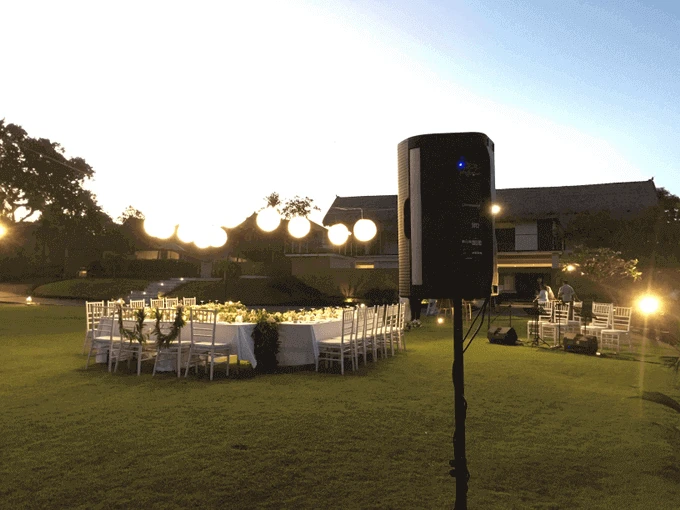
Wedding venues can sometimes limit or change the way things sound in a space and may require particular types of music. Space or sound restrictions prevent some venues from having live bands. Some require special equipment to sound their best. Talking through these details with venue staff makes it more likely that your music will sound as intended and will not lead to unpleasant surprises at the last minute. With proper planning, guests can enjoy every note.
4. Working with Professionals or Playlists
Based on this, couples have to choose between hiring musicians, booking a disc jockey, or creating a playlist. Live performances allow for energy and interaction, whereas a disc jockey provides a large library of songs and crowd-reading experience. Playlists allow a great deal of control and flexibility for more intimate gatherings. Given the size and tone of the event, this is likely to be an important decision to make.
5. Choosing Ceremony Music
The music during the ceremony should reflect the couple and the importance of the day. Most start with soft instrumentals while guests arrive, then choose a poignant piece for the processional. The recessional begins with a joyful song as the celebration starts. Selecting pieces that hold personal significance for these moments creates meaningful layers, allowing the audience to form their own connections.
6. Creating the Reception Atmosphere
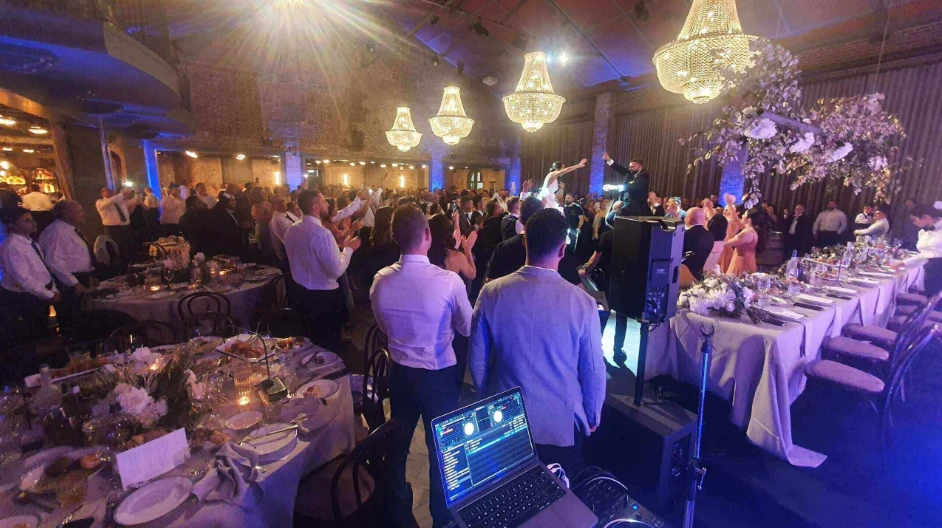
With the ceremony behind you and the focus on celebration, the music should reflect that. The cocktail hour is filled with upbeat songs that invite people to mingle and laugh. Dinner time calls for mellower music that allows guests to talk comfortably. As dancing begins, upbeat tracks elevate the mood and ensure the dance floor stays packed. A balance between new favourites and well-loved classics keeps guests both engaged and entertained.
7. Accommodating Guest Preferences
A great experience caters to the tastes of everyone involved. Events are usually built around a mix of genres and decades that can bring anyone onto the dance floor. Song requests before the event are definitely the way to go to ensure particular tracks are played. This thoughtful approach allows guests to feel special and encourages everyone from all generations to participate.
8. Timing and Transitions
One of the most important elements of transitioning between sections of the event is the music. Changes in tempo or volume signal shifts — such as from dinner to dancing. By pacing your cues along the event timeline, you avoid awkward pauses or rushed moments. Having a record of scheduled times helps musicians, disc jockeys, or anyone managing playlists remain prepared.
Conclusion
A wedding can go from good to great with careful music selection. When you align your choices with the venue, professionals, and guests, you can be confident that everything will run smoothly and everyone will enjoy the experience. Couples who put thought and care into their soundtrack create an event that is uniquely their own. Even after the final note has faded, with thoughtful preparation, these songs will live on in hearts for years to come.



























Sign in to leave a comment.