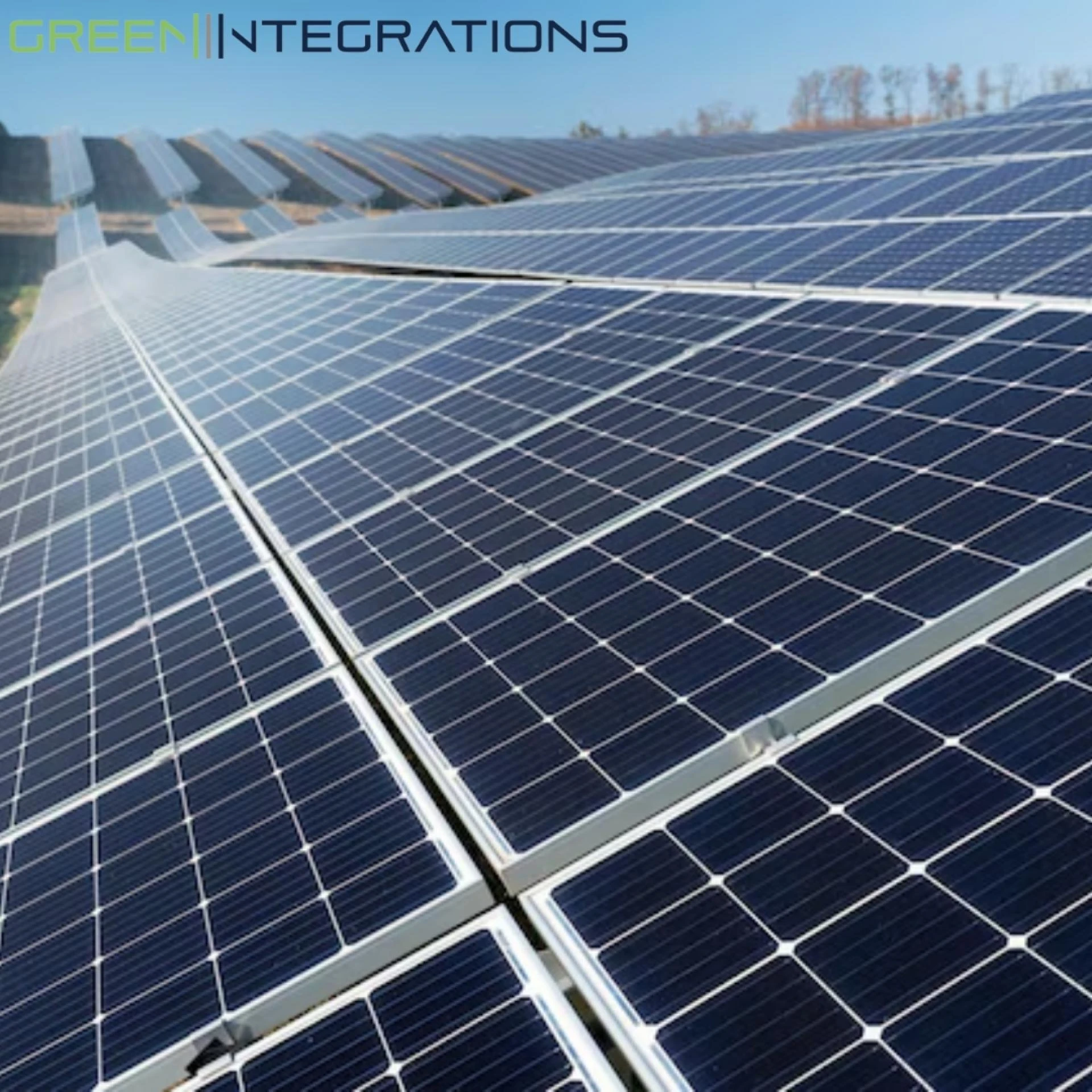

As businesses shift towards sustainable energy solutions, choosing the right commercial solar system provider is a crucial decision. A reliable provider can help reduce energy costs, enhance efficiency, and ensure long-term benefits. With multiple options available, it’s essential to evaluate your choices carefully. This guide will help you select the best commercial solar system provider for your business.
Understanding Your Solar Energy Needs
Before searching for a provider, assess your energy consumption and business goals. Consider the following factors:
- Energy Usage: Analyze your current electricity consumption and future energy needs.
- System Size: Determine the required system size based on your energy demands.
- Budget Constraints: Establish a budget, keeping in mind installation and maintenance costs.
- Site Feasibility: Evaluate roof space or ground area for panel installation.
Understanding these factors will help you choose a provider that aligns with your energy goals.
Key Factors to Consider When Choosing a Solar Provider
1. Industry Experience and Reputation
A reputable provider should have a proven track record in installing commercial solar systems. Research their experience, read reviews, and check past projects. Look for:
- Years in business
- Client testimonials and case studies
- Industry certifications and accreditations
2. Product Quality and Technology
The efficiency and durability of your solar system depend on the quality of the panels and inverters. Choose a provider that offers:
- Tier 1 solar panels from reputable manufacturers
- High-efficiency inverters and battery storage options
- Warranties on products and performance guarantees
3. Financing and Incentives
Many solar providers offer flexible financing options, including:
- Purchase options (outright purchase, lease, or power purchase agreements)
- Government rebates and tax incentives
- Custom financing plans to suit business needs
Understanding these options will help you maximize your return on investment.
4. Installation and Maintenance Services
A reliable provider should offer end-to-end services, including:
- Site inspection and customized design
- Professional installation with safety compliance
- Maintenance and monitoring services
Regular maintenance ensures optimal system performance and longevity.
5. Customer Support and After-Sales Service
Excellent customer support is crucial for long-term satisfaction. Ensure the provider offers:
- Dedicated customer service teams
- Remote system monitoring
- Quick response times for troubleshooting
6. Compliance with Industry Standards
Ensure the provider complies with local and national regulations, including:
- Electrical safety standards
- Building permits and grid connection approvals
- Environmental impact assessments
Comparing Multiple Providers
To make an informed decision, compare multiple providers based on:
- Pricing: Request quotes and analyze cost breakdowns.
- Reviews and References: Speak with past clients about their experiences.
- Technology and Efficiency: Compare equipment quality and expected performance.
Red Flags to Watch Out For
Avoid unreliable providers by looking out for these warning signs:
- Lack of transparency in pricing
- No verifiable customer reviews
- Limited warranty coverage
- Pressure sales tactics
Conclusion
Choosing the right commercial solar system provider requires careful research and consideration. By evaluating experience, product quality, financing options, and customer service, you can make an informed decision.
Green Integrations is committed to delivering high-quality commercial solar solutions tailored to your business needs. Contact us today to discuss your solar energy goals and take the next step toward sustainable energy savings.
FAQs
1. What is the average cost of a commercial solar system?
The cost varies depending on system size, location, and installation complexity. On average, commercial solar systems range from $50,000 to $500,000.
2. How long does it take to install a commercial solar system?
Installation timelines vary based on project size and permitting requirements. Most commercial installations take between 2 to 6 months from planning to completion.
3. What incentives are available for commercial solar installations?
Businesses can benefit from federal tax credits, rebates, and net metering programs, reducing upfront costs and increasing long-term savings.





























Sign in to leave a comment.