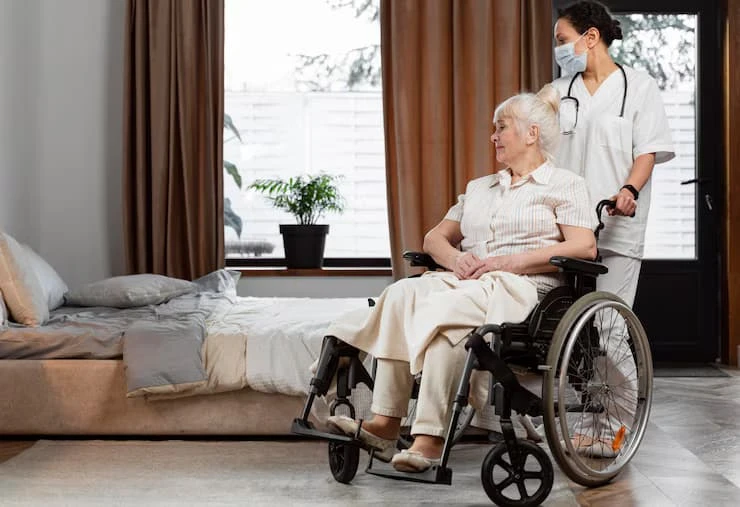

Choosing the right elderly care home for a loved one is a significant decision that can profoundly impact their quality of life. With the myriad of options available, families often find themselves overwhelmed by the choices. Factors such as the level of care required, location, amenities, and cost all come into play, making the process complex and emotionally charged. In this article, we will delve into the essential considerations that can guide families in selecting an appropriate care home for the elderly, ensuring that their loved ones receive the care and support they deserve.
Understanding the Different Types of Care Homes for the Elderly
Before embarking on the search for an elderly care home, it is crucial to understand the various types of facilities available. Care homes for the elderly can vary significantly in terms of services offered, levels of care, and the environments they provide. Broadly, these can be categorized into three main types: assisted living facilities, nursing homes, and specialized memory care units.
Assisted living facilities are designed for seniors who require some assistance with daily activities, such as bathing, dressing, and medication management, but who still maintain a degree of independence. These homes typically offer a range of amenities, including social activities, meal services, and transportation.
Nursing homes, on the other hand, provide a higher level of medical care and supervision. They are suited for individuals with chronic health conditions or those recovering from surgery who need continuous medical attention. Nursing homes are staffed by licensed nurses and trained caregivers, ensuring that residents receive professional care tailored to their medical needs.
Lastly, specialized memory care units cater to individuals with Alzheimer’s disease or other forms of dementia. These facilities are designed with safety features and structured environments that help residents navigate their surroundings while receiving specialized support tailored to their cognitive challenges.
Assessing the Care Needs of Your Loved One
Determining the specific care needs of your loved one is a critical step in choosing the right elderly care home. Factors such as health status, mobility, cognitive function, and personal preferences all play a vital role in this assessment. It is essential to have an open and honest conversation with your loved one, discussing their needs and desires regarding their living situation.
Consider conducting a thorough evaluation of their health and well-being. This may involve consulting with medical professionals to understand their current health status and any potential future needs. The goal is to find a care home that can accommodate their current requirements while also being adaptable to changes that may arise over time.
Additionally, consider the emotional and social aspects of your loved one’s care. Many seniors thrive in environments that encourage social interaction and engagement. If your loved one values independence and community, look for care homes that offer a vibrant social calendar, opportunities for activities, and spaces that foster connections among residents.
Location and Accessibility
The location of an elderly care home can significantly influence the overall experience for both residents and their families. Proximity to family members and friends can enhance the quality of life for seniors, as regular visits can help maintain social connections and provide emotional support. Therefore, when evaluating potential care homes for the elderly, consider how close they are to family members and other support systems.
Accessibility is another important factor. Ensure that the care home is situated in a location that is easy for family members to visit frequently. Additionally, consider the surrounding community and its amenities. Access to parks, shopping centers, and recreational facilities can enhance the daily lives of residents, providing them with opportunities for outings and socialization.
Evaluating Amenities and Services Offered
When choosing a care home for the elderly, it is essential to evaluate the amenities and services that are available. These can vary widely between facilities, so it is crucial to identify which offerings are most important for your loved one’s needs and preferences.
For example, inquire about meal services and dietary options. Many care homes provide nutritious meals tailored to meet the dietary restrictions of their residents. Access to recreational activities, fitness programs, and wellness services can also contribute to a higher quality of life. Consider whether the facility offers social events, outings, and hobbies that align with your loved one’s interests.
Additionally, assess the level of medical care provided. If your loved one has specific health concerns, it is essential to ensure that the facility can accommodate those needs. This may include access to on-site medical professionals, therapy services, and emergency care.
Staff Qualifications and Care Philosophy
The qualifications and training of the staff at an elderly care home are paramount in ensuring the quality of care provided to residents. When evaluating potential facilities, inquire about the staff-to-resident ratio, as this can impact the level of attention and support each resident receives. A lower ratio often indicates that residents will receive more personalized care.
Furthermore, investigate the training and qualifications of the staff members. Caregivers should possess relevant certifications and undergo ongoing training to stay updated on best practices in elderly care. A facility that prioritizes staff training and development reflects a commitment to providing high-quality care.
In addition to qualifications, it is essential to consider the care philosophy of the facility. Some homes may emphasize a person-centered approach, focusing on the individual needs and preferences of residents. Others may adopt a more clinical approach. Understanding the care philosophy can provide insights into how well the facility aligns with your loved one’s values and preferences.
Visiting Potential Care Homes
Once you have narrowed down your options, it is crucial to visit potential care homes for the elderly in person. This allows you to assess the environment firsthand and gain insights into the daily operations of the facility. During your visit, observe the interactions between staff and residents, as well as the overall atmosphere of the home.
Take note of the cleanliness and maintenance of the facility, as these factors can significantly impact the quality of life for residents. Engage in conversations with staff members, asking questions about the care provided and the daily routines of the residents. Additionally, consider speaking with current residents and their families to gain their perspectives on the quality of care and the overall experience at the facility.
Understanding Costs and Payment Options
Cost is a significant factor in choosing an elderly care home. It is essential to understand the pricing structure of each facility and what is included in the fees. Some homes may charge a flat monthly rate, while others may have additional costs for specific services or amenities. Be sure to inquire about any hidden fees or additional expenses that may arise, such as move-in fees or charges for specialized care.
Additionally, explore the various payment options available. Some families may be able to utilize long-term care insurance, while others may rely on personal savings or government assistance programs. Understanding the financial implications of each option can help families make informed decisions regarding their loved one’s care.
Conclusion: Making the Right Choice for Your Loved One
Choosing the right elderly care home is a decision that requires careful consideration of numerous factors, including the individual needs of your loved one, the types of care homes available, location, amenities, staff qualifications, and costs. By taking the time to assess these elements, families can make informed decisions that ensure their loved ones receive the best possible care in a supportive and nurturing environment.
As you navigate this important journey, consider the compassionate care offered by Oakview Carehome. With a commitment to fostering a warm and welcoming community for seniors, Oakview Carehome is dedicated to enhancing the quality of life for every resident. Contact us today to learn more about our services and how we can support your loved one in this new chapter of their life.































Sign in to leave a comment.