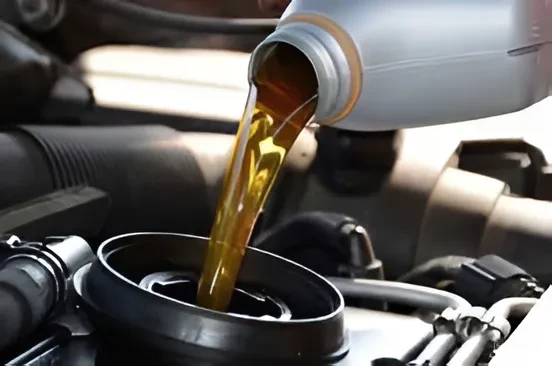

Lubricant additives play a crucial role in enhancing the performance, efficiency, and longevity of machinery and engines. Selecting the right lubricant additive package is essential to ensure optimal protection against wear, corrosion, and oxidation. However, with various options available, making the right choice can be challenging. This guide will help you understand key factors to consider when choosing a lubricant additive package that meets your specific needs.
1. Understand Your Application Requirements
The first step in choosing the right lubricant additive package is understanding your application. Different industries and equipment have unique lubrication needs. Consider the following factors:
- Type of Machinery: Engines, hydraulic systems, gearboxes, compressors, and turbines all require different additives.
- Operating Conditions: Temperature extremes, load intensity, and exposure to contaminants impact additive selection.
- Industry Standards: Some industries have strict regulations that dictate specific additive compositions.
2. Identify the Key Performance Needs
Lubricant additives are formulated to enhance specific properties of base oils. Depending on your requirements, you may need additives for:
- Anti-Wear Protection: Reduces metal-to-metal contact and extends equipment life.
- Corrosion and Rust Prevention: Protects against water and oxidation damage.
- Viscosity Index Improvement: Ensures stable lubricant performance across temperature variations.
- Detergency and Dispersancy: Helps keep engine components clean by preventing sludge buildup.
- Extreme Pressure (EP) Additives: Essential for high-load applications like industrial gearboxes.
3. Evaluate Compatibility with Base Oil
Additive packages must be compatible with the base oil to maintain stability and effectiveness. Common base oils include:
- Mineral Oil-Based Lubricants: Require anti-wear and oxidation inhibitors for better performance.
- Synthetic Oils: Often need specialized additives to enhance performance under extreme conditions.
- Bio-Based Lubricants: Require environmentally friendly additive formulations.
4. Consider Industry Standards and Certifications
Ensure that the additive package meets industry standards such as:
- API (American Petroleum Institute)
- ACEA (European Automobile Manufacturers' Association)
- ISO (International Organization for Standardization)
- OEM (Original Equipment Manufacturer) Approvals Meeting these standards ensures quality, reliability, and compliance with regulatory requirements.
5. Work with a Trusted Supplier
Choosing a reputable supplier ensures access to high-quality, tested, and certified additive packages. A trusted supplier should offer:
- Technical Support: Guidance in selecting the best additive package.
- Custom Formulations: Tailored solutions for specific industrial applications.
- Proven Track Record: Positive reviews and industry recognition.
6. Test and Monitor Performance
Once you select an additive package, conduct testing to evaluate its performance in real-world conditions. Implement an oil analysis program to monitor:
- Wear and Contaminant Levels
- Lubricant Degradation Trends
- Viscosity Changes Over Time Regular testing ensures that your lubricant additive package continues to perform effectively.
Conclusion
Selecting the right lubricant additive package is critical for ensuring optimal performance, protection, and efficiency in machinery and engines. By understanding your application needs, evaluating performance requirements, and choosing a reputable supplier, you can make an informed decision. Regular monitoring and testing will help you maintain reliability and maximize the benefits of your lubricant.



























Sign in to leave a comment.