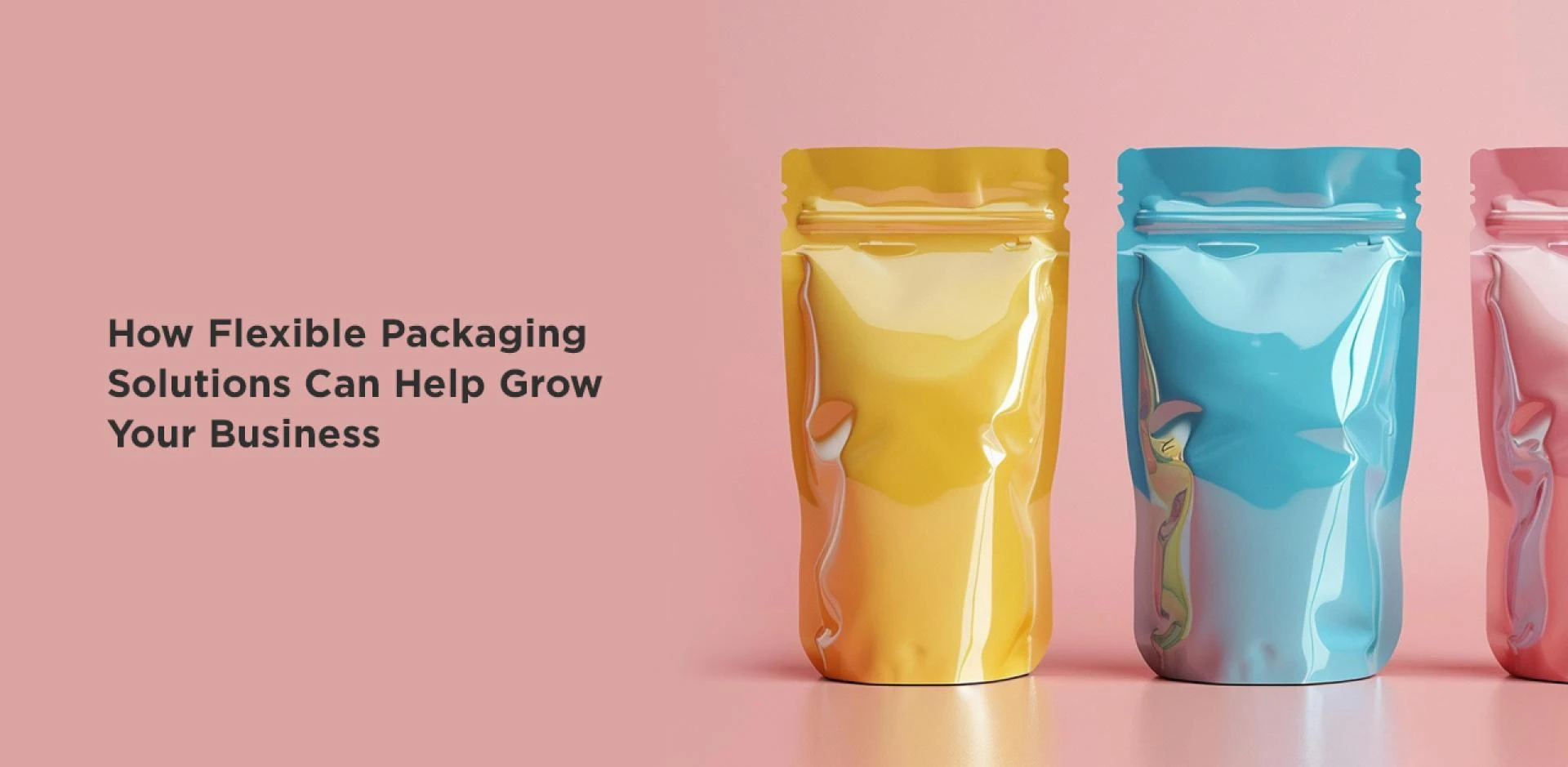

Choosing the right packaging material is one of the most important decisions for any business. Packaging is not just about covering a product — it protects, promotes, and preserves it. The right packaging ensures safety during transportation, attracts customers on store shelves, and strengthens your brand image.
In this detailed guide, we will help you understand how to select the perfect packaging material for your product while keeping quality, cost, sustainability, and branding in mind.
1. Understand Your Product Requirements
Before selecting packaging, you must clearly understand your product’s needs. Every product is different, and packaging should be designed accordingly.
1. Nature of the Product
Is your product solid, liquid, powder, or fragile?
- Food products require moisture-resistant and hygienic packaging.
- Electronics need shock-proof and protective layers.
- Cosmetics need attractive and durable packaging.
2. Shelf Life
If your product has a limited shelf life, you must choose materials that protect against air, light, and moisture. Barrier properties are very important for food, pharmaceuticals, and skincare products.
3. Storage and Transportation
Will your product travel long distances? Will it be stored in humid or hot conditions? Choose materials that can withstand environmental changes without damage.
4. Customer Experience
Modern customers expect convenience. Easy-to-open, resealable, and lightweight packaging improves user satisfaction.
Companies like whitelotus specialize in offering customized solutions after carefully understanding product requirements and industry standards.
2. Types of Packaging Materials Available
There are many packaging materials available in the market. Choosing the right one depends on your product type and business goals.
1. Plastic Packaging
Plastic is lightweight, durable, and cost-effective. It offers excellent moisture resistance and flexibility. It is widely used for food, beverages, and daily-use products.
2. Glass Packaging
Glass is non-reactive and ideal for food, beverages, and cosmetics. It gives a premium look but can be heavy and fragile.
3. Metal Packaging
Metal packaging like aluminum and tin provides strong protection and long shelf life. It is commonly used for canned food and aerosol products.
4. Paper and Cardboard
Eco-friendly and recyclable, paper-based packaging is perfect for retail products, e-commerce shipments, and dry goods.
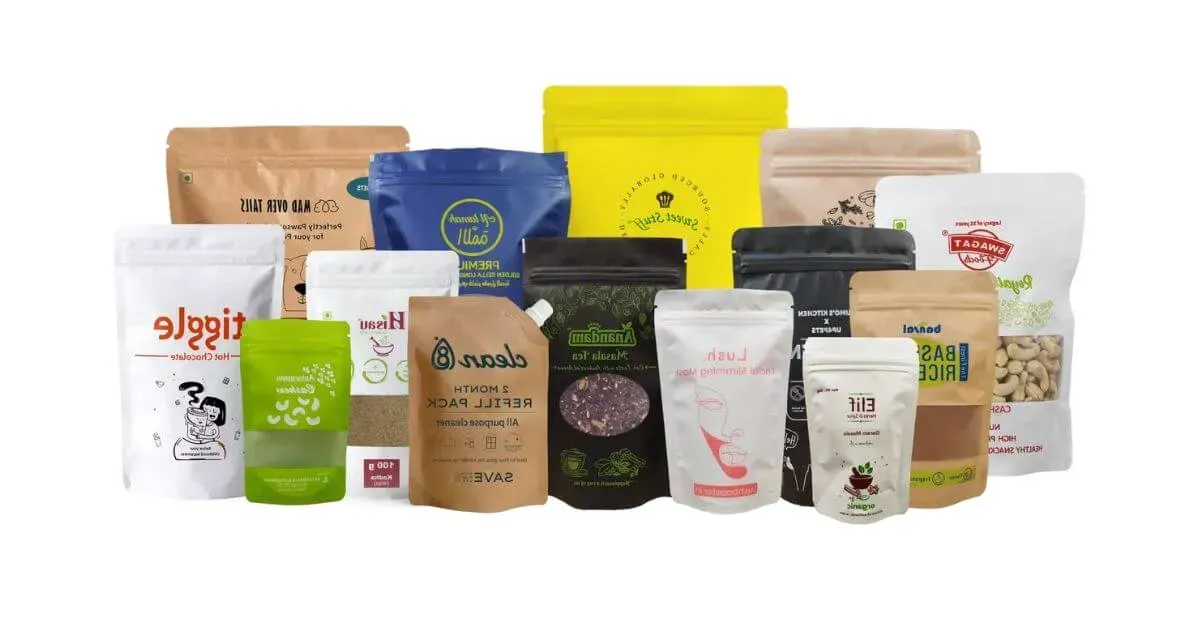
5. Flexible Packaging
A modern and highly popular option, Flexible Packaging solution includes pouches, laminates, films, and wraps. It is lightweight, cost-efficient, customizable, and offers excellent barrier protection. This type of packaging is ideal for snacks, spices, pet food, pharmaceuticals, and many consumer goods.
Leading companies like whitelotus focus on innovative Flexible Packaging solution options that balance durability, design, and sustainability.
3. Consider Product Safety and Protection
Product safety should always be the top priority. Poor packaging can result in product damage, leakage, contamination, or customer complaints.
1. Protection from Physical Damage
Use strong materials for fragile items. Cushioning and multilayer packaging can reduce breakage.
2. Barrier Protection
Moisture, oxygen, dust, and UV light can damage products. High-barrier materials help maintain freshness and quality.
3. Tamper-Proof Features
Seals and secure closures increase consumer trust and prevent contamination.
4. Compliance and Regulations
Certain industries like food and pharmaceuticals must follow strict packaging regulations. Ensure your packaging meets industry standards.
With expert guidance from whitelotus, businesses can ensure their packaging maintains high safety standards without compromising on design.
4. Focus on Sustainability and Eco-Friendly Packaging
Today’s customers prefer brands that care about the environment. Sustainable packaging not only reduces environmental impact but also enhances brand reputation.
1. Use Recyclable Materials
Choose materials that can be recycled easily. Paper, cardboard, and certain plastics are good options.
2. Reduce Material Usage
Lightweight packaging reduces transportation costs and carbon footprint.
3. Biodegradable Options
Eco-friendly alternatives are becoming increasingly popular in modern markets.
4. Sustainable Flexible Packaging
Modern Flexible Packaging solution technologies are evolving to become more recyclable and environmentally friendly while maintaining strong protection and durability.
Brands that partner with responsible manufacturers like whitelotus can adopt sustainable packaging strategies without affecting product quality.
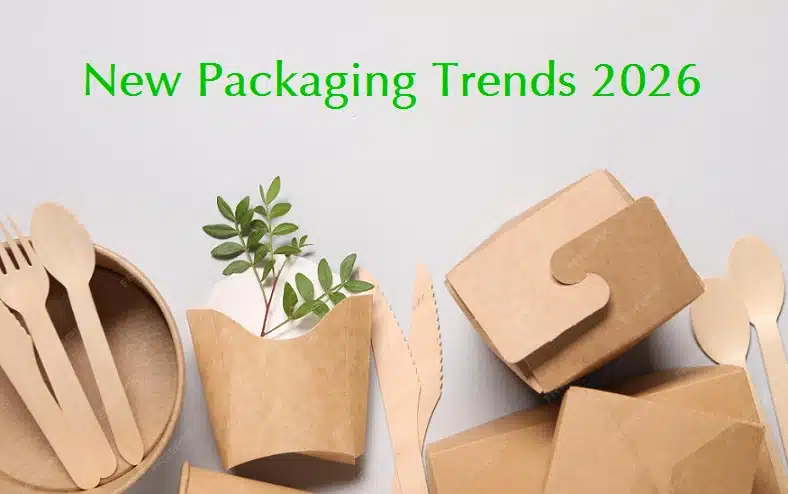
5. Future Trends in Packaging Materials
The packaging industry is constantly evolving. Staying updated with trends can give your business a competitive advantage.
1. Smart Packaging
QR codes, NFC tags, and interactive packaging improve customer engagement and provide product information instantly.
2. Minimalist Design
Clean, simple packaging designs are gaining popularity for better branding and shelf appeal.
3. Advanced Flexible Packaging
Innovations in Flexible Packaging solution include better barrier films, recyclable laminates, and improved printing quality for stronger brand visibility.
4. Customization and Digital Printing
Brands now focus on personalized packaging that connects directly with their target audience.
With innovation-driven companies like whitelotus, businesses can stay ahead by adopting modern packaging technologies.
Conclusion
Choosing the right packaging material requires careful planning and understanding of your product, target market, safety needs, and sustainability goals. The right packaging not only protects your product but also enhances your brand identity and builds customer trust.
From traditional materials like glass and paper to advanced Flexible Packaging solution options, selecting the right partner makes all the difference. With expertise, innovation, and quality commitment, whitelotus helps businesses find packaging solutions that are safe, sustainable, and market-ready.
Invest wisely in packaging — because great packaging is not just a cover, it’s a powerful marketing tool and a promise of quality to your customers.





























Sign in to leave a comment.