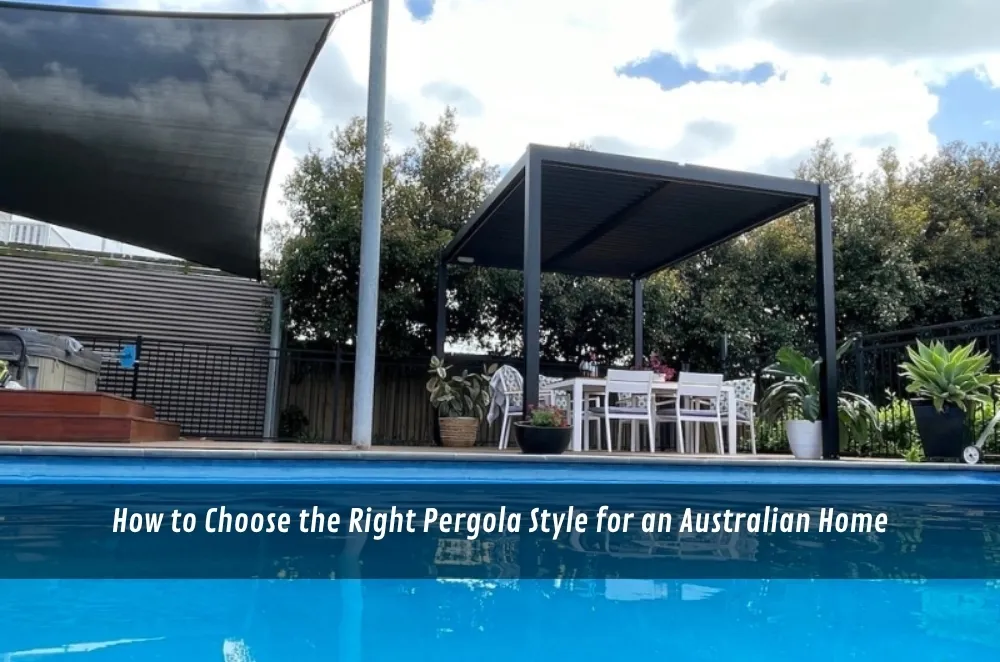

A pergola can be a simple shade structure, a weather-proof outdoor room, or the “missing link” that makes a backyard feel usable most of the year.
The tricky part is that a “pergola range” isn’t just a list of designs—it’s a set of trade-offs across roof performance, materials, spans, drainage, and how the structure will behave on your specific site.
If you choose a pergola range for Australian homes based on photos alone, you can end up with something that looks great on day one but feels too hot, too noisy in rain, or too fiddly to maintain.
This guide breaks down how to compare a pergola range for Australian homes in a way that’s practical, realistic, and focused on long-term livability.
What “the right range” actually means
A pergola range is only useful if it gives you options that match how you’ll use the space.
Start by defining the job: outdoor dining, a shaded play zone, cover for a spa, a dry walkway between doors, or a flexible entertaining area.
Then think about comfort drivers—summer heat, afternoon glare, winter rain, and whether you want filtered light or full protection.
The best “range” is the one that offers the right combinations of roof type, post layout, and finishes that suit your home and site, not the one with the most variations on paper.
Common pergola configurations and when they make sense
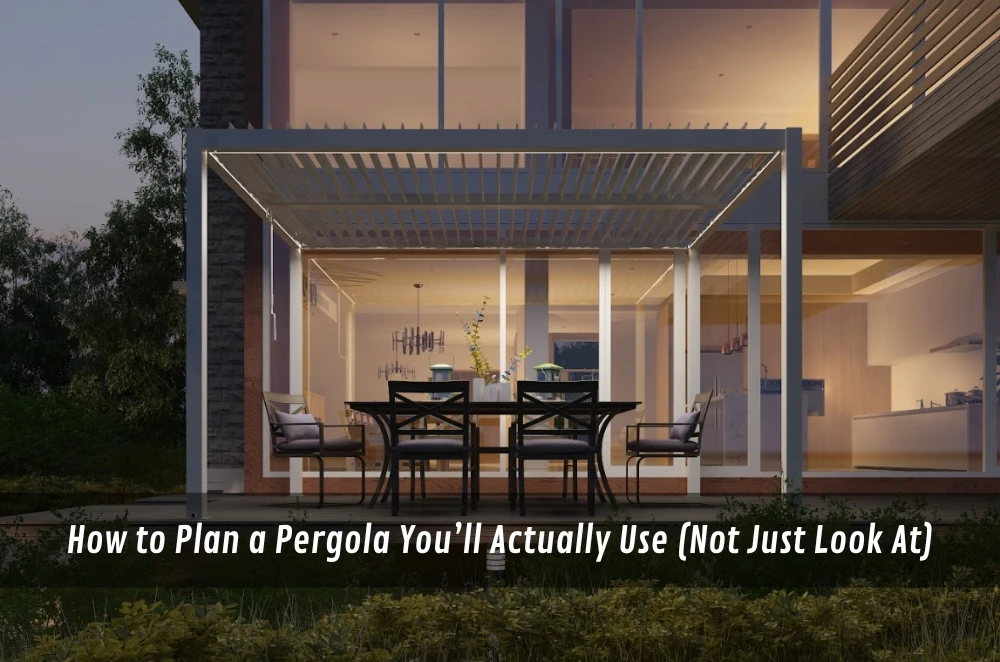
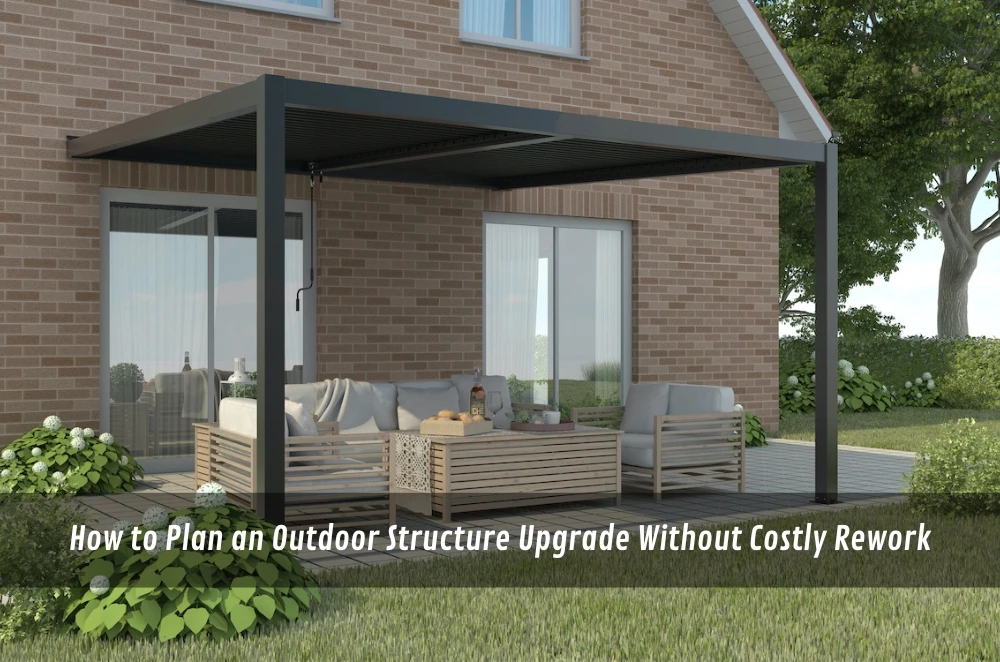
Attached structures can feel like a natural extension of the house and often work well where you want direct access from living areas.
They can also put more pressure on getting flashing, fall, and water management right, because any mistakes show up at the connection line.
Freestanding structures give you flexibility in placement and can be great for pool zones, garden areas, or when you don’t want to interact with existing rooflines.
They can require more thought around footings and bracing because they don’t “borrow” stability from an existing wall.
Post spacing and spans matter for how open the space feels, but wider spans tend to increase structural demands and can influence cost and lead times.
A range that offers sensible span options (without forcing awkward post positions) makes planning far easier.
Roofing options: comfort in heat, glare, rain, and noise
Roof choice is where most “looks good, feels wrong” outcomes start.
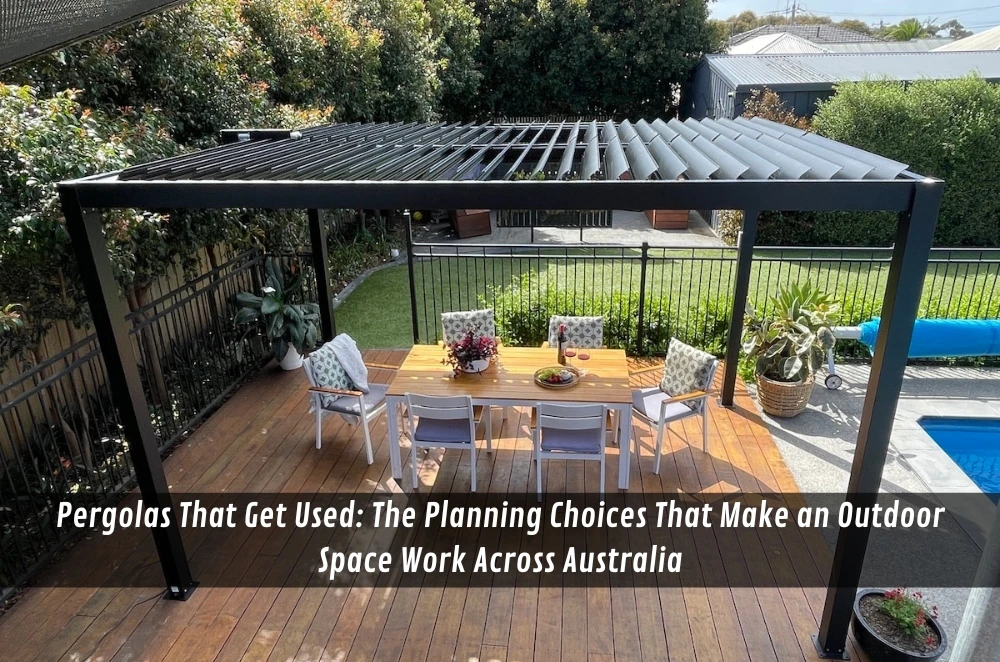
Open or slatted styles can be great for airflow and dappled light, but they won’t give true rain protection unless they’re designed as a waterproof system.
Translucent roofing can keep things bright, yet it can also introduce glare and heat depending on orientation, tint, and the time of day you actually use the space.
Insulated or solid roofing often improves comfort and usability in harsh sun, and it typically handles rain better, but you’ll want to think about height, bulk, and how it integrates visually with the home.
Whatever the roof type, check how water is meant to move: where it collects, where it exits, and where it ends up on the ground.
If the range doesn’t make drainage and fall easy to understand, you’re signing up for guesswork later.
Materials and finishes for Australian conditions
Australian conditions reward low-fuss durability: UV, heat, sudden storms, and coastal air can all accelerate wear.
Aluminium is commonly chosen for low maintenance and stability, but quality varies heavily in coating, fastening systems, and how joints are detailed.
Timber can suit classic and garden-first aesthetics, but it asks for ongoing care and smart detailing to keep moisture away from vulnerable areas.
Steel can deliver strength and slimmer profiles, yet corrosion protection and cut-edge treatment become non-negotiable, especially near the coast.
Finish quality is often the difference between “still looks sharp” and “looks tired” in a few seasons, so ask what’s doing the protecting: coating type, thickness expectations, and what maintenance is realistically required.
Common mistakes when comparing a pergola range
People often compare designs without comparing inclusions, which is how budgets drift.
Another common mistake is choosing a roof style before confirming orientation—west-facing afternoon sun is a very different problem to a shaded southern side.
Ignoring site levels and fall can also bite later, because water management becomes harder once the structure is locked in.
DIY ambition gets underestimated too: it’s not just assembly, it’s measuring, levelling, safe lifting, and knowing when a “small misalignment” will compound across the roofline.
Operator Experience Moment: One of the most common turning points I’ve seen is when someone realises their yard isn’t as square as it looked from the patio door. The plan was fine, but the build got smoother only after they rechecked diagonals, marked post centres properly, and delayed cutting anything until the first frame line was confirmed. It’s a small discipline shift that saves a lot of frustration.
Decision factors that help you narrow the right option
1) Performance first, style second
List what the pergola must do in your real life: shade at certain hours, rain cover over seating, airflow, privacy, and lighting needs.
2) Approval and site constraints
Rules and expectations can vary by location, so treat them as a planning input rather than an afterthought.
3) Support and documentation quality
Clear instructions, labelled components, and responsive help reduce the chance of expensive mistakes—especially if your site isn’t “standard.”
4) Warranty expectations and maintenance reality
A warranty is only useful if your maintenance habits match the required care, so be honest about what you’ll actually do.
5) Install pathway: DIY, partial, or fully installed
DIY can be rewarding when the site is straightforward and you’re comfortable with precise set-out and safe handling.
Partial DIY can be a smart middle ground if you want to manage costs but reduce risk in the finishing stages.
If you want a simple way to compare shapes, roof types, and inclusions without losing track, the Unique Pergolas range overview is a handy reference while you narrow down what suits your home.
A simple 7–14 day first-actions plan
Day 1–2: Measure properly—levels, falls, boundary constraints, and where water runs after rain.
Day 3–4: Decide how you’ll use the space at its edges (paths, furniture, doors, lighting, privacy screens).
Day 5–7: Shortlist two or three configurations and compare inclusions line-by-line, not just visuals.
Day 8–10: Confirm what approvals or checks may apply for your area and your chosen placement.
Day 11–14: Lock the install approach, confirm lead times and delivery access, and only then commit to the final design.
This keeps decisions grounded in site reality rather than wishful thinking.
Local SMB mini-walkthrough (Australia)
A local physio clinic wants a covered entry and waiting nook to improve comfort in summer and rain.
They check footpath clearance, accessibility, and sightlines from reception before choosing post locations.
They prioritise a roof option that reduces heat and glare for afternoon appointments.
They plan lighting early so the space feels safe for winter evenings.
They choose finishes that handle frequent cleaning and UV without looking tired.
They schedule delivery mid-week to avoid disrupting patient bookings.
Practical opinions
If you can’t explain where the water goes, the design isn’t finished yet.
If the site is slightly tricky, “partial DIY” often beats pure DIY for stress and rework.
If low maintenance is the goal, prioritise materials and finishes that age quietly.
Key Takeaways
- A pergola range is only valuable if it offers combinations that match your site, comfort needs, and maintenance reality.
- Roof performance (heat, glare, rain, noise) is usually the biggest driver of long-term satisfaction.
- Drainage, fall, and footings are the quiet details that protect your home and your outdoor area.
- Compare inclusions and support as carefully as you compare looks and price.
Common questions we hear from Australian businesses
Q1) Do we usually need council approval for a pergola?
Usually, it depends on where it’s located, how it’s attached, and local requirements. A practical next step is to sketch your footprint and height, then check your council guidance or speak with a certifier before you order. In Australia, differences between councils can be significant even within the same state.
Q2) What roof type is best for Australian weather?
It depends on how you use the space and what “comfort” means for your site (heat, glare, rain cover, noise). A practical next step is to note the sun direction and when you actually sit outside, then match the roof type to that time window. In many Australian homes, west-facing exposure changes the decision more than people expect.
Q3) Is aluminium usually lower maintenance than timber?
In most cases, yes—provided the coating, fasteners, and detailing are right for the location. A practical next step is to compare the realistic upkeep tasks you’ll do each year and choose the material you’ll actually maintain. In coastal Australian areas, corrosion resistance and fastener choice matter more than the material label alone.
Q4) Can we DIY a pergola kit and still get a professional result?
Usually, yes if the site is straightforward and you’re prepared for careful set-out, safe lifting, and patient finishing. A practical next step is to decide whether you’ll DIY everything or use a pro for critical stages like roof finishing or complex flashing. In Australia, sudden weather shifts and scheduling can make a staged approach easier to manage.






















Sign in to leave a comment.