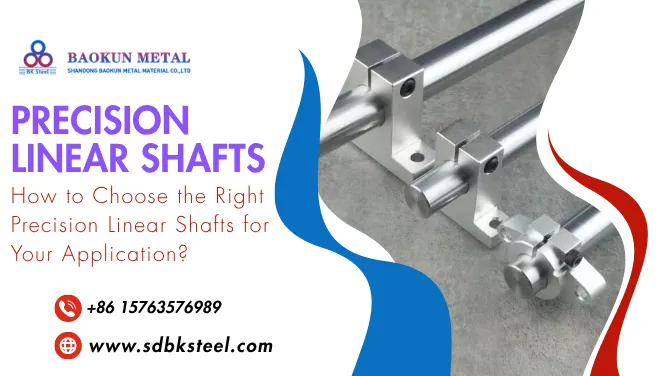
In the realm of mechanical design and automation, selecting the right components is crucial to ensuring system performance, durability, and reliability. Among the key components in many precision machines are Precision Linear Shafts, which play a pivotal role in providing smooth and accurate linear motion.
At Shandong Baokun Metal Material Co. Ltd, we specialize in manufacturing high-quality precision linear shafts designed to meet the diverse needs of industries spanning robotics, CNC machinery, medical devices, and automated assembly systems. However, choosing the appropriate precision linear shafts for a specific application demands careful consideration of multiple factors to optimize performance and avoid costly mistakes.
In this comprehensive guide, we will walk you through the essential criteria and considerations that will help you select the ideal precision linear shaft tailored for your requirements. By understanding material choices, shaft dimensions, tolerances, surface finishes, and load capacities, you can make an informed decision that enhances functionality and longevity.
Why Precision Linear Shafts Are Essential?
First and foremost, it’s important to recognize why precision linear shafts are foundational in linear guiding systems. These shafts serve as the guiding rails or journals along which components slide or roll, ensuring precise positioning and repeatability. The shaft’s dimensional accuracy, straightness, and surface quality directly influence the smoothness, load handling, and lifespan of the entire assembly.
Incorrect shaft selection can lead to premature wear, increased friction, misalignment, and ultimately system downtime or failure. Therefore, understanding the technical specifications, materials, and operating conditions is indispensable for designers and engineers.
Key Factors to Consider When Choosing Precision Linear Shafts:
To assist you in selecting the optimal precision linear shaft, we will focus on several critical factors:
1. Material Selection
Precision linear shafts are commonly manufactured from different materials including stainless steel, carbon steel, and alloy steel. Each material offers unique advantages:
- Stainless Steel: Ideal for corrosive or hygienic environments, offering resistance to rust and oxidation.
- Carbon Steel: Provides excellent strength and affordability, suitable for general industrial applications.
- Alloy Steel: Engineered for high load capacity and impact resistance in demanding settings.
Evaluating environmental conditions and application requirements will guide proper material choice.
2. Diameter and Length
The shaft diameter should correspond to the load requirements and mechanical constraints of the system. Generally, larger diameters provide higher stiffness and load capacity but may add weight and cost. Additionally, the shaft length must accommodate the range of motion without sagging or flexing.
3. Tolerance and Straightness
Precision is often defined by the tolerance grades that indicate permissible deviations in diameter, roundness, and straightness. For high-accuracy applications, tighter tolerances reduce play and backlash, enhancing positioning accuracy.
4. Surface Finish and Hardening
The shaft surface finish impacts friction and wear resistance. Polished surfaces reduce friction, whereas hardened shafts — often via induction or chrome plating — enhance durability and corrosion resistance.
5. Load Capacity and Deflection
Calculating expected radial and axial loads helps determine whether the shaft can withstand operational stresses without excessive bending or deformation. This ensures reliable performance and longer service life.
6. Compatibility with Linear Bearings and Guides
Ensuring compatibility between the shaft and the bearing or linear guide is vital for smooth motion. Differences in hardness, finish, and dimensions can lead to premature component failure.
Transitioning from Theory to Practice — The Role of Shandong Baokun Metal Material Co. Ltd
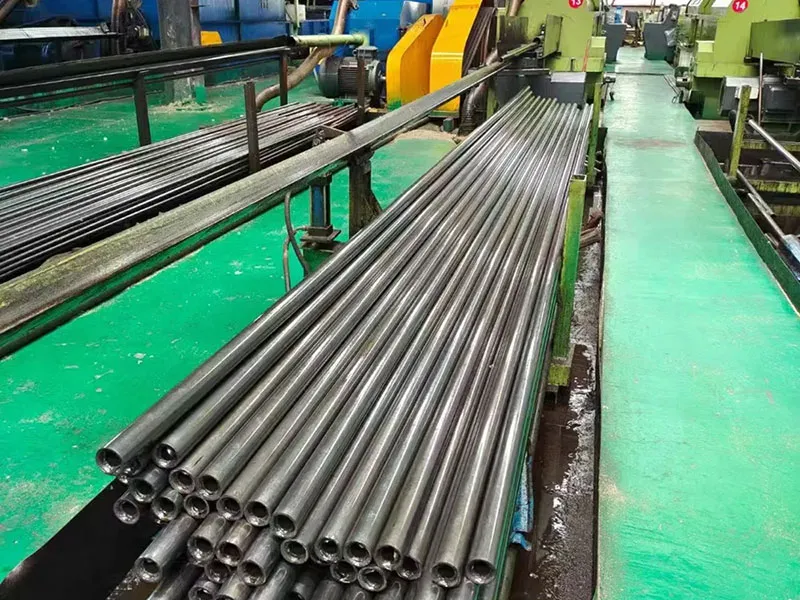
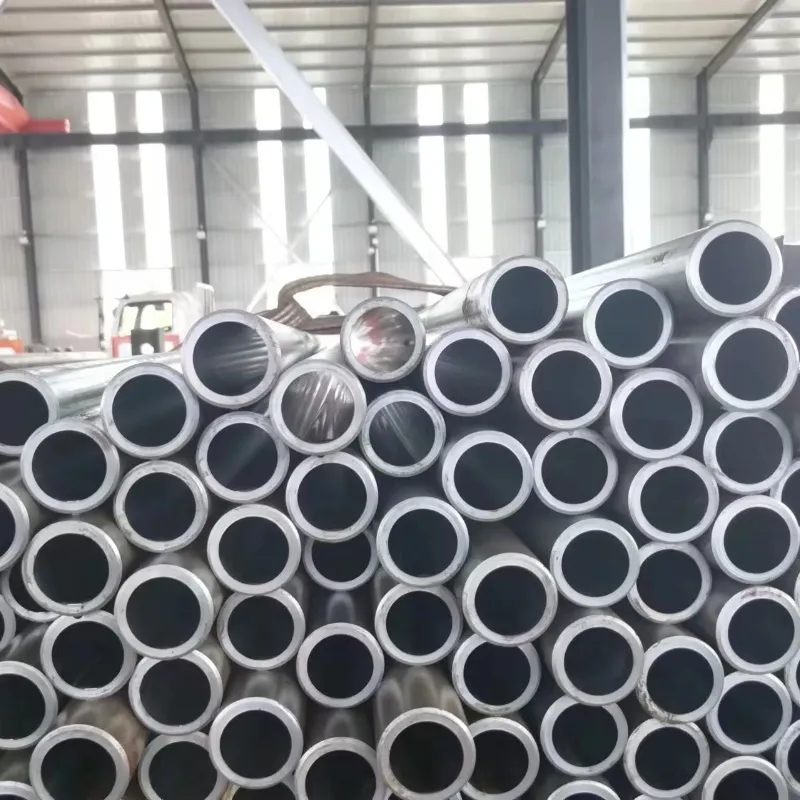
At Shandong Baokun Metal Material Co. Ltd, we integrate all these considerations into our product design and manufacturing process. Our precision linear shafts are produced with state-of-the-art equipment and strict quality control, offering a range of sizes, materials, and finishes suited for varied industrial applications.
We also provide technical support to assist customers in selecting and customizing shafts that best fit their machinery requirements.
Conclusion
Choosing the right precision linear shafts is a foundational decision that affects your equipment’s accuracy, efficiency, and lifespan. By evaluating material options, size, tolerances, surface treatments, and load capacities, you equip yourself to select the most suitable shaft for your unique application.
Shandong Baokun Metal Material Co. Ltd stands ready to support you with high-quality precision linear shafts engineered for excellence. Stay tuned as this guide expands to cover detailed selection charts, maintenance tips, application case studies, and troubleshooting advice to empower your engineering decisions.
Frequently Asked Questions (FAQ)
Q1: What industries typically use precision linear shafts?
A1: Precision linear shafts are prevalent in robotics, automation equipment, CNC machines, medical devices, packaging machinery, and semiconductor manufacturing.
Q2: How do I know which material is best for my application?
A2: Consider environmental factors like exposure to moisture or chemicals, load requirements, and budget. Stainless steel suits corrosive environments; carbon steel suits general use; alloy steel fits heavy-duty applications.
Q3: What does shaft hardening mean, and why is it important?
A3: Hardening processes increase surface strength and wear resistance, crucial for shafts exposed to high loads or continuous friction, extending service life.
Q4: How important is surface finish?
A4: A smoother surface finish reduces friction and wear, contributing to smoother motion and longer bearing life.
Q5: Can I get custom sizes or finishes for precision linear shafts?
A5: Yes, Shandong Baokun Metal Material Co. Ltd offers customization services to meet specific dimensional and material requirements.























Sign in to leave a comment.