

In today’s fast-paced world, protecting surfaces has become essential across industries like construction, automotive, and electronics. Whether you’re safeguarding products during transit or ensuring surfaces stay pristine during manufacturing, choosing the right surface protection film can make all the difference. But with so many options available, how do you find the perfect fit for your needs? Let’s break it down step by step.
7 Tips for Choosing the Right Surface Protection Film
1. Understand Your Requirements
The first step in selecting a surface protective film is understanding what you need it for. Ask yourself these questions:
- What surface are you protecting? (e.g., glass, metal, plastic, or wood)
- What kind of protection do you require? (e.g., scratch resistance, dust prevention, or UV protection)
- Will the film be used indoors or outdoors?
Having clear answers to these questions will help narrow down the options and ensure you choose a film tailored to your specific application.
2. Know the Types of Surface Protection Films
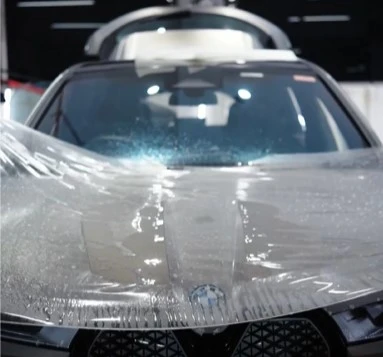
Different surfaces demand different types of protective films. Here’s a quick overview:
- Temporary Films: Ideal for short-term applications like protecting surfaces during construction or renovations.
- Permanent Films: Designed for long-lasting protection in applications like automotive interiors or electronics.
- UV-Resistant Films: Perfect for outdoor use to prevent discoloration or damage caused by sunlight.
Understanding the purpose of each type ensures you select a film that matches your needs perfectly.
3. Evaluate Adhesion and Removal
A great surface protection film should stick well without causing damage. Look for films with adhesive strength that suits your application:
- Low-Tack Adhesive: Best for delicate surfaces like glass or polished metal, ensuring no residue is left behind.
- High-Tack Adhesive: Suitable for rough surfaces like stone or concrete, where a stronger bond is needed.
Always ensure the film is easy to remove without leaving any sticky residue, as this can affect the surface’s finish and quality.
4. Consider the Environment
The environment in which the film will be used plays a critical role in your choice:
- Indoor Use: Opt for standard protective films that guard against dust and scratches.
- Outdoor Use: Choose UV-resistant or weatherproof films to withstand exposure to sunlight, rain, and temperature changes.
By matching the film to its environment, you ensure optimal performance and longevity.
5. Quality Matters: Choose Premium Protective Films
Not all protective films are created equal. Premium protective films offer superior durability, clarity, and resistance to wear and tear. While they may cost slightly more upfront, their long-lasting performance often saves money in the long run by reducing surface damage and replacement costs.
6. Work with Trusted Suppliers
Your choice of supplier can greatly impact the quality of the film you receive. Reputable protective film suppliers like Grasi India provide reliable products that meet industry standards. Partnering with a trusted supplier ensures you get a film that matches your specific needs, with expert guidance to help you make the right choice.
7. Test Before You Commit
Before placing a large order, it’s always a good idea to test the film on a small surface area. This allows you to assess its adhesion, ease of removal, and overall effectiveness. Testing also ensures compatibility with your surface material.
Conclusion
Choosing the right surface protection film doesn’t have to be overwhelming. By understanding your requirements, evaluating the options available, and partnering with a trusted supplier, you can confidently select a film that protects your surfaces effectively. Whether you’re looking for premium protective films for industrial use or a simple solution for a DIY project, the right choice ensures peace of mind and long-lasting results.
Protect your surfaces. Protect your investments. Make the right choice today!
























Sign in to leave a comment.