
Understanding the Basics of Thai Rice
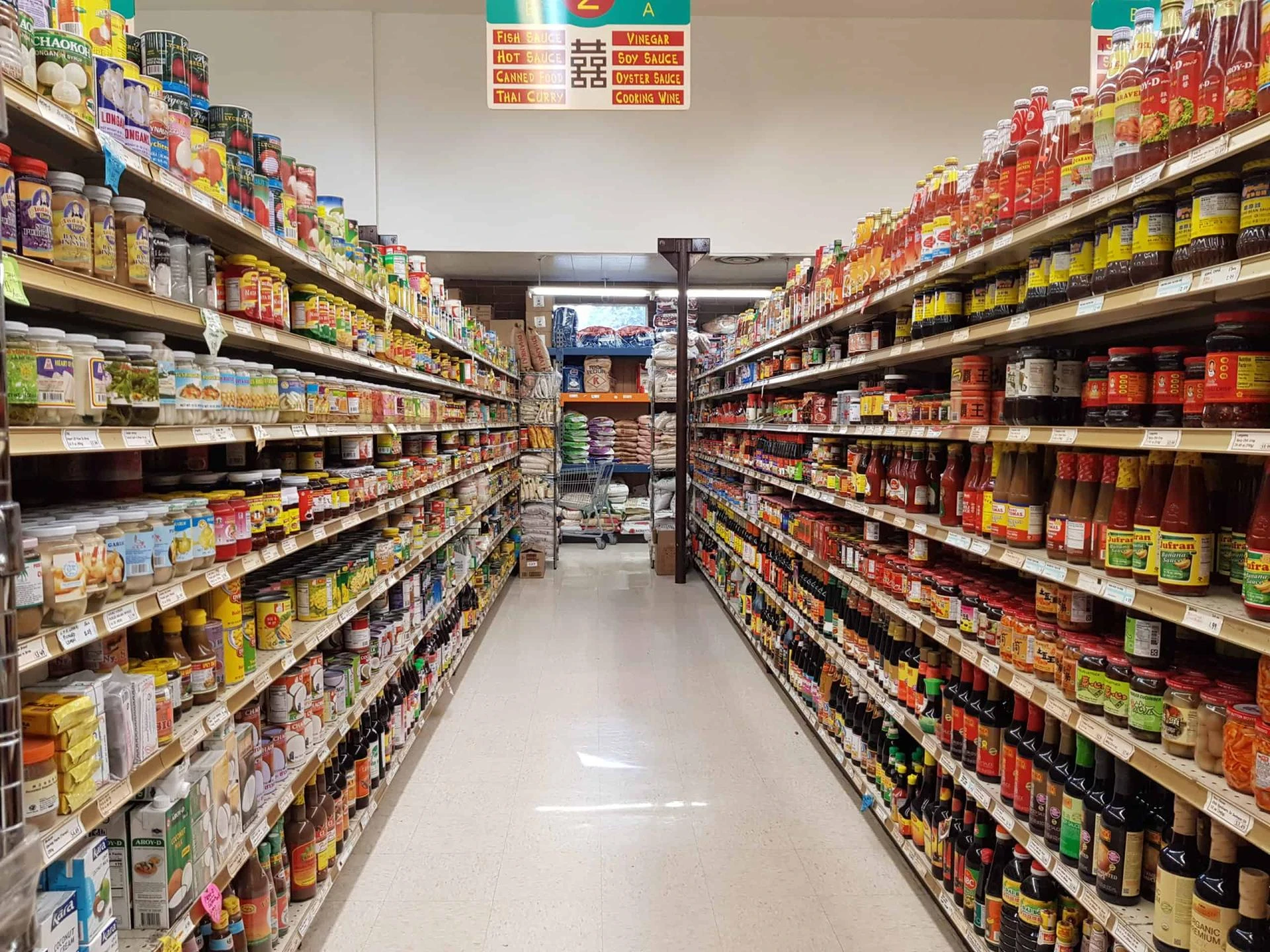
Rice isn’t just a side dish in Thai cooking it’s the core of most meals. The grain itself does more than fill the plate; it balances flavour, carries sauce, and often defines the dish’s texture. Walk into a Thai supermarket and there’s a whole aisle dedicated to rice, packed with bags labelled in Thai, English, and sometimes both. It’s not just Jasmine or sticky rice there are varieties you might not expect unless you've cooked with them before.
The key thing to understand about Thai rice is that it varies not only by grain length or colour but also by purpose. Some are perfect for savoury stews, others for sweet coconut-based desserts. Most are sold polished, but a few retain their outer layer for added nutrition.
Jasmine Rice – The Everyday Staple
Jasmine rice is often the first introduction for those exploring Thai cuisine. Its subtle floral aroma and soft, slightly sticky texture make it ideal for a wide range of dishes, especially stir-fries, curries, and grilled meats.
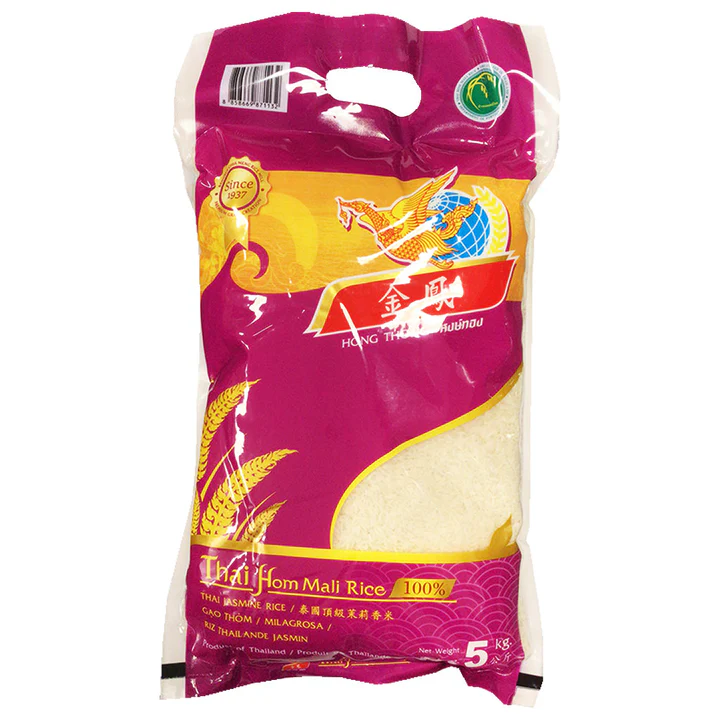
The trick to cooking Jasmine rice well is using the absorption method. Rinse until the water runs clear, then simmer with just enough water to steam through without turning mushy. A Thai supermarket will stock several brands of Jasmine rice, some marked as “hom mali” (meaning premium fragrant rice) which is usually the best choice for everyday meals.
Sticky Rice – For Traditional and Festive Dishes
Sticky rice, or glutinous rice, is the backbone of Northern and Northeastern Thai food. It's rice eaten with grilled meats, spicy dips, and papaya salad. Unlike Jasmine rice, it’s meant to be rolled by hand and used to scoop up other food.
Preparation is a bit different. Sticky rice must be soaked for several hours ideally overnight then steamed in a bamboo basket rather than boiled. The result is a clumpy, elastic texture that holds together in bite-sized pinches. Any Thai supermarket with a good selection will have it labelled clearly, and often near bamboo steaming baskets and Thai-style serving containers.
Brown and Red Thai Rice – Wholegrain Options
For those seeking more fibre or a nuttier taste, brown and red Thai rice offer something different. Brown Thai rice retains the bran layer, giving it a slightly chewy bite. Red rice, often from the Surin or Chiang Mai regions, has a reddish husk and a more earthy flavour. Both are less sticky than Jasmine rice, and they take longer to cook.
These varieties work well with grilled dishes or dry stir-fries where a firmer texture balances the flavours. Cooking them requires more water and time, around 40–50 minutes. A good Thai supermarket will usually stock these alongside health-focused options or organic products.
Speciality Varieties and Regional Favourites
Black Thai rice, often mistaken for wild rice, is used mostly in desserts. It turns deep purple when cooked and has a firm texture that pairs beautifully with coconut milk and sugar. It’s commonly used in dishes like black rice pudding or layered desserts wrapped in banana leaves.
There are also blends, some combine black and white sticky rice for colour and bite. These might not be front and centre in every Thai supermarket, but they're often stocked near the dessert ingredients or in the section with traditional products.
For a more regional approach, some Thai rice varieties are grown only in certain provinces and are packaged under geographic labels. These might be more expensive, but they bring a unique flavour profile that’s hard to replicate.
Shopping Tips at a Thai Supermarket
Choosing the right rice at a Thai supermarket involves more than just picking a label that says “Jasmine” or “Sticky.” Look at the packaging date older rice can lose its aroma. “New crop” is usually a good indicator of freshness. Some stores also offer vacuum-sealed bags, which help preserve fragrance.
Brand loyalty is common among Thai households. Labels like Royal Umbrella, Golden Phoenix, or Elephant Brand are widely trusted. Most shops also carry smaller regional or organic brands, often in plain packaging with stickers in Thai and English.
If unsure, staff at a well-stocked Thai supermarket are often happy to give a recommendation, especially if the dish is named or the rice’s intended use is clear.
Storing and Handling Thai Rice at Home
Once the right type of rice has been chosen, keeping it fresh becomes the next priority. Rice should always be stored in a cool, dry place. An airtight container prevents it from absorbing moisture or smells from nearby spices or strong-flavoured ingredients. For homes where rice is a staple, it’s worth investing in a sealable storage bin with a measuring scoop.
Sticky and Jasmine rice should be kept separate, especially if one is used for desserts and the other for savoury cooking. Cross-contamination, even just of scent, can affect how dishes turn out.
For those buying in bulk from a Thai supermarket something common for households that cook Thai meals often it’s worth separating rice into smaller containers. That way, each portion stays untouched until needed, which helps preserve aroma and texture.
Vacuum-sealed options, when available, are ideal for long-term storage, especially for more expensive types like black Thai rice or regional blends. Once opened, they should be used within a few months to ensure quality doesn’t drop.


























Sign in to leave a comment.