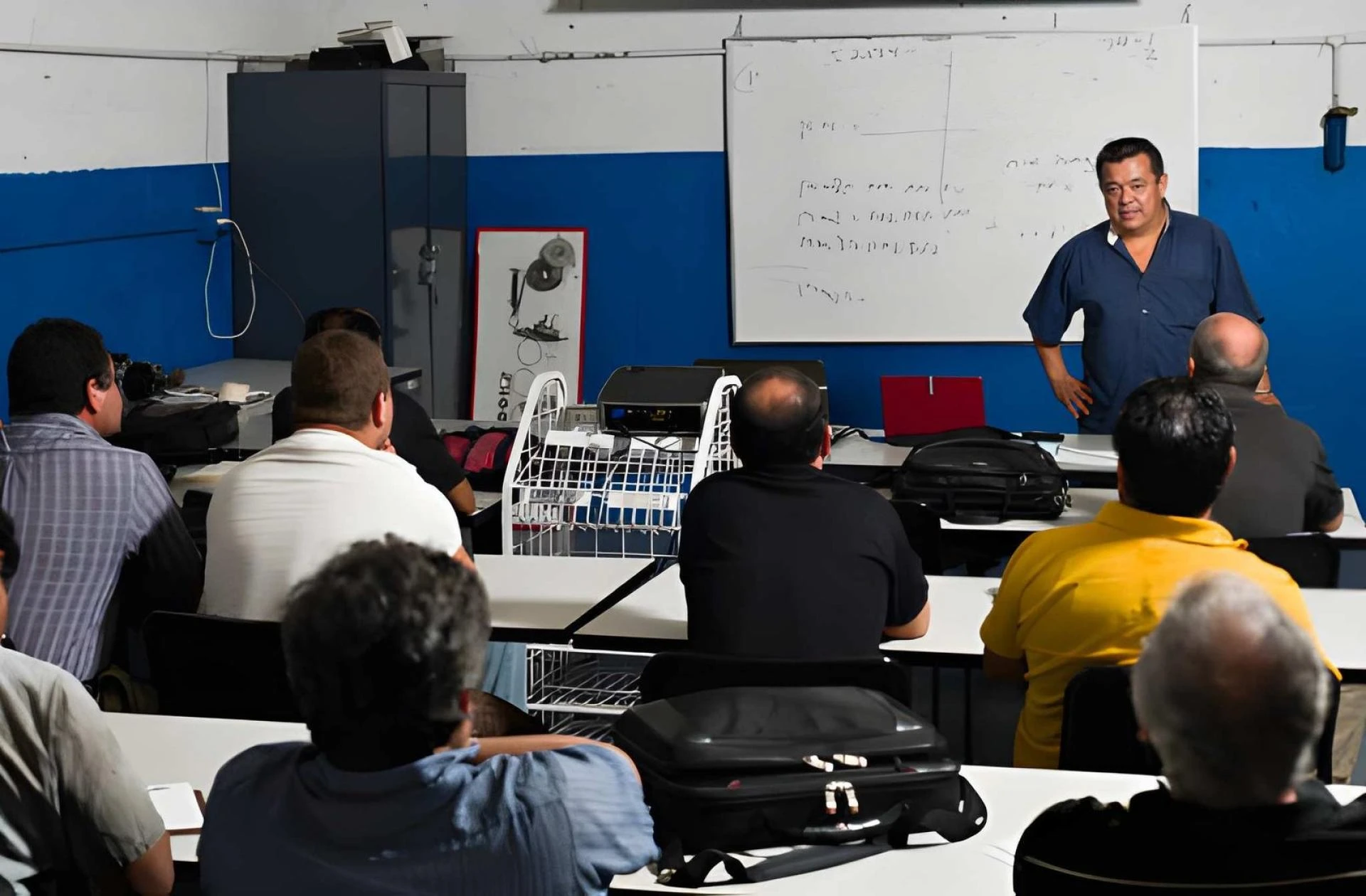

Welding is a highly skilled trade that forms the backbone of industries like construction, manufacturing, automotive, and shipbuilding. With growing demand for qualified professionals in Sydney and across Australia, pursuing a career in welding offers excellent opportunities for stable employment and career growth.
However, not all welding courses are created equal. Choosing the right program can have a significant impact on your skill development, employability, and long-term career prospects. In this guide, we’ll explore how to select the best welding courses Sydney has to offer, factors to consider, and tips to align your training with your career goals.
Why Choosing the Right Welding Course Matters
Welding is more than joining metal pieces together—it requires precision, safety awareness, and industry knowledge. The right course ensures that you acquire:
Practical hands-on skills
Knowledge of welding techniques and materials
Safety procedures and compliance with Australian standards
Industry-recognised qualifications
Selecting an appropriate welding course in Sydney can directly influence your employability. Employers seek candidates who are not only certified but also competent in practical applications.
Types of Welding Courses Available in Sydney
Before choosing a course, it’s important to understand the different types of welding programs available:
1. Certificate I and II in Engineering – Fabrication
These introductory courses provide foundational skills in metalwork, welding, and fabrication. They are suitable for beginners looking to enter the trade.
What you’ll learn:
Basic welding techniques (MIG, TIG, and arc welding)
Metal cutting and shaping
Workshop safety procedures
2. Certificate III in Engineering – Fabrication
This is a nationally recognised qualification and is considered the standard for entry-level professional welders.
What you’ll learn:
Advanced welding techniques
Reading engineering drawings
Fabrication and assembly of metal structures
Workplace health and safety (WHS) compliance
3. Certificate IV and Diplomas in Engineering or Welding Technology
These courses are more advanced and focus on supervisory roles, specialised techniques, or engineering aspects.
What you’ll learn:
Welding supervision and quality assurance
Welding procedure specifications (WPS)
Structural steel welding and inspection
Advanced fabrication methods
4. Short Courses and Skill Upgrades
For professionals already in the trade, short courses can help upskill in areas like pipe welding, stainless steel welding, or aluminium welding.
Factors to Consider When Choosing a Welding Course in Sydney
Choosing a course that matches your career goals requires careful consideration. Here are the key factors to evaluate:
1. Accreditation and Recognition
Ensure the course is delivered by a Registered Training Organisation (RTO) and is nationally recognised. Accredited courses guarantee that your qualification is valid across Australia and meets industry standards.
Look for courses that include units from the Certificate III in Engineering – Fabrication or other recognised welding qualifications.
2. Course Content and Specialisations
Different courses focus on various welding techniques and materials. Determine whether the course covers:
MIG (Metal Inert Gas) welding
TIG (Tungsten Inert Gas) welding
Arc welding (SMAW)
Pipe welding
Structural steel welding
Select a course aligned with your intended career path. For example, construction welders may need structural steel skills, while automotive welders may focus on MIG and TIG welding.
3. Hands-On Training
Practical experience is crucial in welding. Look for courses with substantial workshop time and access to modern welding equipment. The more hands-on practice you get, the better prepared you will be for real-world scenarios.
4. Duration and Flexibility
Welding courses can range from a few weeks to over a year. Consider your availability and whether the course offers full-time, part-time, or evening classes. Some Sydney RTOs also provide flexible learning options for working professionals.
5. Industry Connections and Job Support
Courses that offer workplace placements, apprenticeships, or industry partnerships can significantly improve employability. Ask whether the provider has links with local employers and job placement support.
6. Cost and Value
Compare course fees across different RTOs. While it’s important to stay within budget, the cheapest option may not provide adequate training or recognition. Prioritise accredited programs that offer quality instruction and practical experience.
7. Trainer Experience and Qualifications
Experienced trainers with industry backgrounds ensure that you learn current techniques and industry best practices. Verify the credentials of instructors before enrolling.
How Welding Courses Align with Career Goals
Your career goals should dictate the type of welding course you choose:
Entry-Level Positions
If your goal is to enter the trade quickly, consider Certificate I or II programs or short courses that provide foundational skills.
Skilled Tradesperson
For full-time employment as a professional welder, a Certificate III in Engineering – Fabrication is generally required. This qualification opens doors to apprenticeships and industry roles.
Specialised Roles
If you aim to specialise in pipe welding, stainless steel, or structural steel, choose courses that focus on these techniques. Advanced certifications such as Certificate IV or Diplomas help with supervisory or management roles.
Career Advancement
Experienced welders looking to move into management, inspection, or engineering roles should pursue advanced courses or short professional development modules. These qualifications improve credentials for promotion or entrepreneurship.
Benefits of Taking Welding Courses in Sydney
Access to modern facilities and workshops
Exposure to industry-standard techniques and materials
Networking opportunities with peers and employers
Preparation for licensing and compliance with Australian welding standards
Nationally recognised qualifications for career mobility
Tips for a Successful Welding Career
Gain Practical Experience – Work on real-world projects or apprenticeships to enhance skills.
Stay Updated – Welding techniques and materials evolve; continuous learning is essential.
Obtain Certifications – Qualifications such as Certificate III in Engineering are often required by employers.
Prioritise Safety – Master WHS procedures to protect yourself and your colleagues.
Build a Professional Network – Join industry associations and connect with employers.
FAQs About Welding Courses in Sydney
Q1: What qualification do I need to become a professional welder in Sydney?
A1: The nationally recognised Certificate III in Engineering – Fabrication is generally required for entry-level professional welding positions. Additional short courses or Certificate IV qualifications can enhance your skills.
Q2: How long does a welding course in Sydney take?
A2: Duration varies depending on the level. Certificate I or II may take a few months, while Certificate III can take 12–18 months. Short courses for skill upgrades may take a few days to weeks.
Q3: Can I work while studying welding?
A3: Many RTOs offer part-time or evening courses to accommodate working students. Check course flexibility before enrolling.
Q4: Are welding courses in Sydney nationally recognised?
A4: Yes, provided they are offered by a Registered Training Organisation (RTO). National recognition ensures your qualification is valid across Australia.
Q5: Do welding courses provide job placement assistance?
A5: Some RTOs offer apprenticeships, work placements, or career support. Courses with industry links improve employment prospects.
Q6: What are the career prospects after completing a welding course?
A6: Qualified welders can work in construction, manufacturing, shipbuilding, automotive, oil and gas, or start their own welding businesses. Advanced qualifications can lead to supervisory, inspection, or managerial roles.
Conclusion
Choosing the right welding course in Sydney is essential to achieving your career goals. Whether you aim to become a skilled tradesperson, specialise in advanced techniques, or pursue supervisory roles, selecting a nationally recognised and practical course ensures you gain the skills, knowledge, and certification employers value.
With options ranging from Certificate I programs to advanced diplomas, hands-on workshops, and industry partnerships, Sydney offers a wide variety of welding courses Sydney that cater to beginners, experienced workers, and professionals seeking advancement.
Investing time in selecting the right course today can lead to a rewarding career with strong job prospects, competitive salaries, and opportunities across multiple industries. Start by evaluating your goals, researching accredited providers, and enrolling in a course that aligns with your ambitions.



























Sign in to leave a comment.