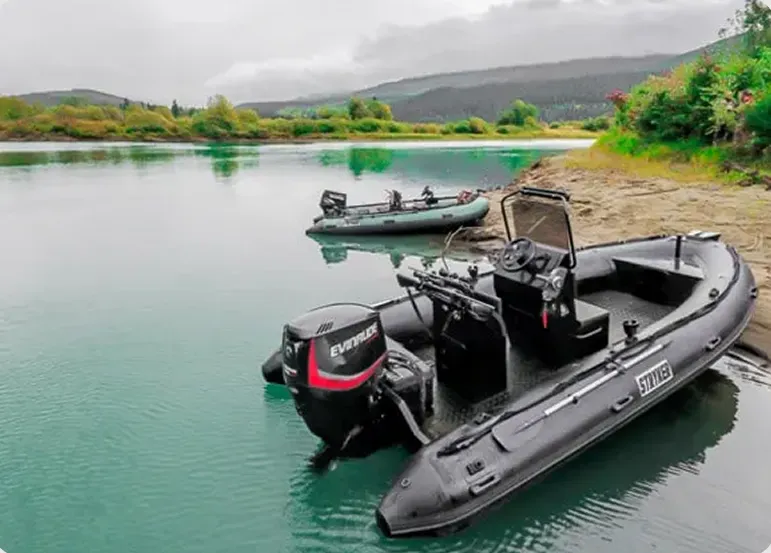

Purchasing a boat ought to be thrilling rather than stressful. But honestly, for most folks, the whole process gets confusing fast. Walk into the market, and you’re bombarded with hull shapes, materials, sizes, and features, each claiming to be the best. And when you start digging into the details, half the specs seem important, half seem like noise.
The truth? You don’t need to be an expert to pick the right boat. If you get comfortable with a handful of design basics, shopping gets much easier. Once you know how a boat’s built and why certain designs work better in specific situations, you can compare choices with way more confidence. This is especially helpful when evaluating popular options such as Stryker boats and other vessels designed for different water conditions.
Here is your step-by-step handy guide that will help you make a smarter call.
Start With Your Main Purpose
Forget specifications and brands for a second. Just ask yourself, what are you mostly going to do with this boat? This simple question cuts the list of options in half.
A die-hard angler has different priorities than someone chasing sunsets on the lake. A hunter tracking game in remote spots probably cares more about toughness and shallow-water ability. Meanwhile, families often value comfort and space.
People usually get overwhelmed because they try comparing every feature all at once. Don’t do that. Start with your main purpose. Once you nail that down, you can immediately cross off a bunch of designs, and you’ll feel much more in control of the process.
Understanding Hull Designs
Hull design really matters. How a boat handles, how stable it feels, and where it works all come down to the shape.
Flat-Bottom Hulls
These are great for calm water. Super stable, perfect for lakes, ponds, or slow rivers. But you won’t love the ride if conditions suddenly get choppy.
V-Hull Boats
V-hulls cut through waves much better than flat-bottoms. The shape smooths out rough water and opens up more possibilities; you’re not limited to perfect conditions.
Tunnel Hull Designs
If you spend time on shallow rivers and backwaters, tunnel hulls are designed for you. They funnel water to the motor, letting the boat glide where other designs struggle.
No wonder so many people interested in shallow-water boats look at aluminum tunnel hull boats. They’re built for places with changing water levels, sketchy depth, or tough terrain.
Comparing Boat Materials
What your boat’s made of affects almost everything: durability, upkeep, and performance.
Aluminum Tunnel Hull Boats
Aluminum is tough, lightweight, and handles rough environments. That’s why anglers, hunters, and outdoorsy types stick with them. Many aluminum tunnel hull boats are designed to withstand repeated use in rivers, shallow channels, and remote locations where durability matters most.
Fiberglass Boats
Fiberglass boats ride smoothly and look sharp. The material lets companies build all kinds of shapes, so buyers get plenty of choice. The trade-off: fixing fiberglass takes more attention than aluminum.
Inflatable Boats
Inflatables are flat-out convenient. Easy to store, easy to move, and often gets you places bigger boats can’t reach. If “portability” matters to you, these really shine.
Look at Stability, Capacity, and How You’ll Move It
While comparing various types of boats, pay attention to your intended purposes and their capabilities as well.
Boats' stability influences both comfort and fishing possibilities. In other words, the steadiness of the boat ensures a smooth journey, especially when there are many passengers.
Boats' capacity is another important feature. Pay attention to the number of passengers, baggage, and equipment you will bring aboard. When the vessel is crowded, it is awkward and inefficient.
Transporting a boat is yet another factor to consider. Some types require larger trailers, additional storage spaces, and special preparations before launching.
Considering all these factors, buyers often underestimate the impact of boat size on their maintenance. The small one can be easier to transport, launch, store, and maintain throughout the whole year. For detailed information, consider reading this blog, “The Hidden Benefits of Owning a Compact Fishing Vessel."
Think About Where You’ll Boat Most
A boat that will work well in one environment is not necessarily suitable for another. It is essential to know what type of water you usually travel on.
Calm lakes and reservoirs give more freedom for choosing a design. Rivers may need more maneuverability and the possibility to navigate the water of variable depth. The presence of waves, tides, and other weather effects becomes a concern while choosing a boat in coastal areas.
Thus, you need to compare the designs by thinking about your primary water area, not occasional trips.
Research Models and What’s Available Nearby
Research matters, but don’t rely only on online info. Seeing boats in person helps a ton; you spot layout, quality, and the real fit for your needs. Most people start with a simple search like “Stryker boats near me” so they can actually kick the tires.
And go visit a Stryker boat dealership or chat with pros. Ask about warranties, best uses, maintenance, and build details. That kind of firsthand info beats slick product descriptions any day.
Conclusion
Comparing boat designs doesn’t have to be complicated. If you focus on how you’ll use the boat, understand different hulls, weigh the materials, and match the boat to your usual waters, you’ll quickly narrow your options and feel much more confident. Practical stuff like stability, capacity, and ease of transport also helps you find the right fit for your lifestyle.
If you’re weighing shallow-water boats or inflatables or just want something versatile, Valhalla Vessels is often a trusted name in the boating community. Their priority is tough builds, reliable performance, and adventure-ready features, all the things we just talked about. So if you’re ready to shop, take your time, compare carefully, and pick the boat that matches the way you actually live and play on the water.

























Sign in to leave a comment.