

In today's world, where environmental concerns are becoming more pressing by the day, adopting sustainable practices at the individual level has never been more important. One of the most significant challenges we face is waste management. The accumulation of waste, particularly non-biodegradable materials, poses a threat to our environment, ecosystems, and even our own well-being. Creating a sustainable waste management system in your household is a small but impactful step towards reducing your carbon footprint and contributing to a healthier planet.
Understanding the Need for Sustainable Waste Management
The concept of waste management goes beyond simply throwing away trash. It involves responsible practices that minimize the negative impact of waste on the environment. Sustainable waste management is built on the three R's: Reduce, Reuse, and Recycle. By implementing these principles, you can significantly reduce the amount of waste your household produces and contribute to conserving natural resources.
Creating a Sustainable Waste Management System
Audit Your Waste: Begin by assessing the types of waste your household generates. Categorize them into recyclables, compostable, and non-recyclables. This audit will help you understand the composition of your waste and guide your efforts.
Reduce: The first step towards sustainability is reducing waste generation. Minimize single-use items like plastic bags, bottles, and disposable cutlery. opt for reusable alternatives such as cloth bags, stainless steel water bottles, and eco-friendly utensils. Buy products with minimal packaging or in bulk to reduce unnecessary waste.
Reuse: Before discarding an item, consider if it can be repurposed or used for another function. Glass jars can become storage containers, old t-shirts can be turned into cleaning rags, and cardboard boxes can be used for organizing.
Recycle: Recycling is crucial for diverting waste from landfills. Learn about the recycling regulations in your area and organise your recyclables correctly. Commonly recycled items include paper, cardboard, glass, certain plastics, and aluminium.
Composting: Organic waste like food scraps and yard trimmings can be composted to create nutrient-rich soil for your garden. Composting not only reduces landfill waste but also enriches the soil and reduces the need for chemical fertilizers.
E-waste Management: Electronic waste contains hazardous materials that can be harmful to the environment if not disposed of properly. Many communities have e-waste recycling programs, so be sure to responsibly dispose of old electronics.
Donate and Repurpose: Items that you no longer need but are still in good condition can be donated to charitable organizations or thrift stores. This extends the lifespan of the item and benefits those in need.
Educate and Involve: Teach your family about the importance of sustainable waste management. Involve everyone in the household in adopting eco-friendly practices. Encourage children to learn about recycling and composting.
Benefits of a Sustainable Waste Management System
Reduced Environmental Impact: By reducing waste and recycling, you help conserve natural resources, decrease energy consumption, and decrease greenhouse gas emissions.
Healthier Ecosystems: Proper waste management prevents harmful substances from seeping into the soil and water, protecting ecosystems and wildlife.
Cost Savings: In the long run, adopting sustainable practises frequently results in cost savings. Reusable items and reduced waste mean spending less on disposable products.
Community Impact: Your efforts inspire others in your community to adopt similar practices, creating a ripple effect of positive change.
Conclusion
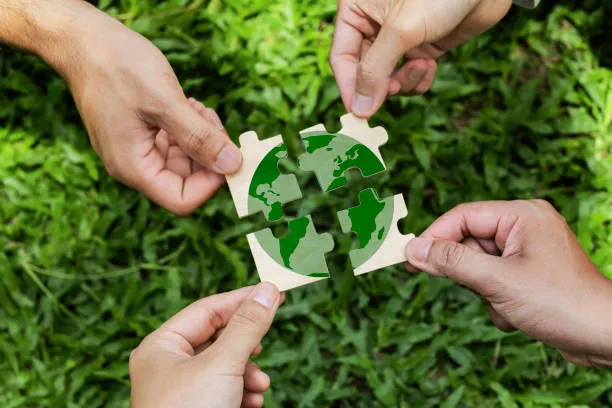
Creating a sustainable waste management system in your household is a commitment to a greener future. By practicing the principles of reduce, reuse, and recycle, you take a significant step towards preserving our planet for future generations. Remember, every small action count, and collectively, our efforts can lead to a more sustainable and environmentally-friendly world.






















Sign in to leave a comment.