
Creating an effective workout routine does not always require expensive machines, complicated programs, or hours at the gym. With a few basic pieces of gym equipment and a consistent approach, you can build strength, improve endurance, increase flexibility, and support overall fitness. The key is to organize your exercises according to your goals, fitness level, available time, and recovery needs. A well-planned routine should be simple enough to follow regularly while providing enough variety to keep your workouts productive and engaging.
Define Your Fitness Goals
Before choosing exercises, decide what you want to achieve. Your goal may be building muscle, improving strength, losing excess body fat, increasing endurance, or simply becoming more active. Different goals require different training approaches. For example, someone focused on strength may prioritize resistance exercises and gradually increase the challenge, while someone working on cardiovascular fitness may include more movement-based activities. Clear goals make it easier to select suitable exercises and measure progress over time.
Start with Basic Gym Equipment
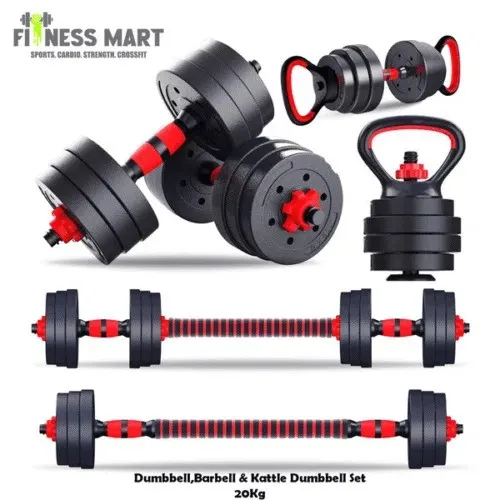
Basic gym equipment can support a surprisingly complete workout. A yoga mat can provide a comfortable surface for floor exercises, while resistance bands can add controlled resistance to movements. A bench can support pressing, stepping, and other strength exercises. Adjustable weights are also useful because they allow you to modify resistance as your fitness improves. You do not need every type of machine available in a commercial gym. Instead, focus on equipment that supports fundamental movement patterns such as pushing, pulling, squatting, bending, and lifting.
Build a Balanced Weekly Routine
A balanced routine should train different muscle groups while allowing enough recovery between challenging sessions. Beginners may start with three workout days per week, leaving rest or light activity days between sessions. For example, Monday could focus on full-body strength, Wednesday could combine strength and cardio, and Friday could provide another full-body workout. On other days, walking, stretching, mobility exercises, or light recreational activities can help maintain movement without creating excessive fatigue.
Include a Proper Warm-Up
Every workout should begin with a warm-up. Spending five to ten minutes preparing your body can help you transition from everyday activity into exercise. Start with light movements such as walking, marching, arm circles, bodyweight squats, or gentle mobility exercises. The purpose is not to exhaust yourself but to gradually increase movement and prepare the muscles and joints for the exercises ahead. A consistent warm-up can also help you perform your main exercises with better control and focus.
Focus on Fundamental Strength Exercises
Strength training should form an important part of a basic workout routine. Compound movements are especially useful because they involve multiple muscle groups at the same time. Squats can train the lower body, while presses can develop pushing strength. Rows are useful for pulling movements, and controlled hip-hinge exercises can strengthen the posterior chain. When training with weights, prioritize proper technique rather than choosing a resistance level that is too difficult. Controlled repetitions and consistent form are more valuable than simply moving heavier loads.
Organize Your Upper-Body and Lower-Body Training
One practical way to structure workouts is to divide exercises according to body regions. Upper-body exercises can include presses, rows, shoulder movements, and controlled arm exercises. Lower-body training can include squats, lunges, step-ups, and hip-focused movements. If you prefer full-body sessions, choose one or two exercises for the upper body and lower body during each workout. This approach can make sessions efficient while ensuring that major muscle groups receive regular attention. Dumbbell exercises can also make a basic routine more flexible because the resistance can be used for several movement patterns without requiring large machines.
Add Cardiovascular Exercise
Strength training is only one part of overall fitness. Cardiovascular exercise can improve endurance and make everyday activities feel easier. Depending on your equipment and preferences, you can walk, jog, cycle, use a rowing machine, or perform low-impact movements. Beginners should start with manageable durations and gradually increase their activity. You can also combine short cardio intervals with strength exercises to create a more dynamic workout. The important thing is to choose an activity you can perform consistently rather than selecting an intense routine that quickly becomes difficult to maintain.
Choose the Right Sets and Repetitions
The number of sets and repetitions should match your experience and goals. Beginners can often start with a manageable number of sets and focus on learning correct movement patterns. For many basic resistance exercises, performing around eight to fifteen controlled repetitions can provide a practical starting point, although the ideal range depends on the exercise and individual circumstances. Leave enough energy to maintain good form throughout the set. As exercises become easier, you can gradually increase resistance, repetitions, or training volume instead of making large changes all at once.
Use Progressive Overload Carefully
Your body adapts when it repeatedly encounters an appropriate training challenge. To continue improving, gradually increase the difficulty of your workouts. This process is commonly known as progressive overload. You might add a small amount of resistance, perform an additional repetition, increase the number of sets, or improve exercise control. Progress does not need to happen every workout. Consistent small improvements are generally more sustainable than constantly pushing to your maximum. Keep track of your exercises so you can recognize gradual improvements in strength, endurance, and technique.
Include Rest and Recovery
Recovery is an essential part of an effective workout routine. Muscles and other tissues need time to recover after challenging exercise. Schedule rest days and avoid training the same muscle groups intensely on consecutive days if you are not accustomed to it. Quality sleep, sufficient hydration, and balanced nutrition can also support recovery. Light walking and gentle mobility work may be appropriate on rest days, but recovery should not become another demanding workout. If persistent pain or unusual symptoms occur, stop the exercise and seek appropriate professional guidance.
Keep Your Workouts Consistent
Consistency is more important than creating a perfect routine that you rarely follow. Set realistic workout times and make exercise part of your weekly schedule. Beginners can benefit from shorter sessions that feel achievable rather than immediately committing to lengthy workouts. Preparing equipment beforehand, tracking completed sessions, and setting small goals can make it easier to stay motivated. As your routine becomes a habit, you can gradually increase workout duration or complexity according to your progress.
Track Your Progress
Keeping a simple workout record can help you understand what is working. Record exercises, repetitions, resistance, workout duration, and how you felt during each session. Over several weeks, this information can reveal improvements that may not be obvious from day to day. You can also track measurements related to endurance, strength, flexibility, or general activity. Reviewing your progress regularly allows you to make sensible adjustments while avoiding unnecessary changes to your routine.
Adapt the Routine to Your Lifestyle
An effective workout routine should fit your lifestyle. If you have limited time, prioritize a few compound exercises rather than trying to complete every possible movement. If you enjoy variety, alternate exercises or change the structure of your sessions periodically. People with different fitness levels should also adjust resistance, repetitions, and exercise difficulty accordingly. Your routine does not need to look like someone else's. The best program is one that matches your current abilities and can be maintained consistently.
Conclusion
Creating an effective workout routine with basic gym equipment is mainly about planning, consistency, and gradual progression. Start by identifying your goals, choose practical exercises, warm up properly, train major muscle groups, include cardiovascular activity, and allow enough time for recovery. You do not need a complicated collection of equipment to make meaningful progress. By following a structured routine and adjusting it as your fitness develops, you can create sustainable training habits that support strength, endurance, mobility, and overall physical well-being.




























Sign in to leave a comment.