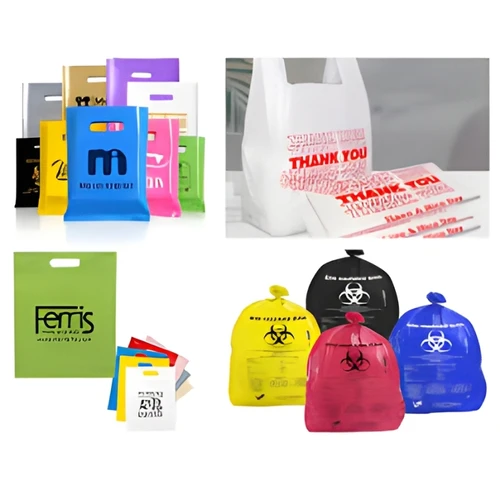

In the non woven bags, most buyers think cost reduction means negotiating harder. But after working with hundreds of importers, one insight becomes clear: the fastest way to lower your cost is not to push the supplier — it’s to choose the right kind of supplier in the first place.
Many brands unknowingly work with manufacturers whose processes create hidden waste. The invoice looks reasonable, but the total cost of the order is far higher than expected. Meanwhile, buyers who understand production structures routinely save 25–30% with the exact same specifications.
Let’s break down why.
1. The Hidden Cost Structures No One Talks About
Non woven bags have a low entry barrier. That means thousands of small and mid-size workshops compete by offering attractive quotations — even if their actual workflow is inefficient.
The outsourcing trap
A factory that doesn’t own weaving machines must buy fabric from a third party.
A factory without printing capability must send rolls out for flexo or gravure work.
A factory without lamination or stitching capacity must subcontract again.
Every subcontractor =
✔ another markup
✔ another transport step
✔ another layer of communication
✔ another possible delay
✔ another QC risk
You don’t see these costs on paper — but you pay for them in freight charges, missed deadlines, and product rework.
Operational instability = financial instability
When production moves between multiple locations, two things happen:
- Time becomes unpredictable.
- Waste increases.
Both translate directly into higher cost for the buyer, even though the quoted price looked “cheap.”
2. The Procurement Strategy That Actually Works
Top importers don’t start by asking for a lower price.
They start by analyzing how the factory makes the product.
Step 1 – Choose a manufacturer with end-to-end capability
Weaving → lamination → printing → cutting → stitching → packing
When all these steps happen inside one controlled facility, you immediately eliminate:
- subcontractor margins
- unnecessary trucking
- miscommunication
- scheduling conflicts
Total savings: 10–15% without touching quality.
Step 2 – Evaluate consistency, not certificates
ISO, BSCI, and similar audits are helpful — but what matters is whether the factory maintains:
- stable ink color systems
- controlled lamination temperatures
- calibrated stitching machines
- daily QC checkpoints
These factors prevent defects, which prevents waste — which saves cost.
Step 3 – Rethink your logistics path
Many importers follow China by default.
But in today’s shipping environment, FOB Vietnam often delivers 10–12% cost advantage due to:
- lower freight volatility
- faster container availability
- favorable duty rates in many countries
- more predictable lead times
Savings don’t only come from the factory — a large portion comes from your supply chain design.
3. Why Our Vietnam Model Reduces Cost at the Source
Our production is structured intentionally to remove every non-essential cost driver.
No outsourcing — zero middleman layers
We control weaving, lamination, printing, die-cutting, stitching, and packing internally.
This keeps your unit price accurate and your lead time stable.
Labor efficiency advantage
Vietnam’s workforce offers consistent workmanship at 5–10% lower labor cost than China, while still meeting export standards for Japan, Europe, and the US.
Lower import duties
Vietnam-origin bags often benefit from preferential tariffs — meaning buyers save before the goods even leave the port.
Proximity to major ports
Shorter trucking = lower domestic cost = fewer delays = lower landed cost.
When combined, these structural advantages allow buyers from the USA, EU, Singapore, Japan, and the UAE to consistently achieve 25–30% savings per order — without compromising product performance.
4. Want Proof? Request a Free Comparison Kit
The best way to understand production quality is to see it.
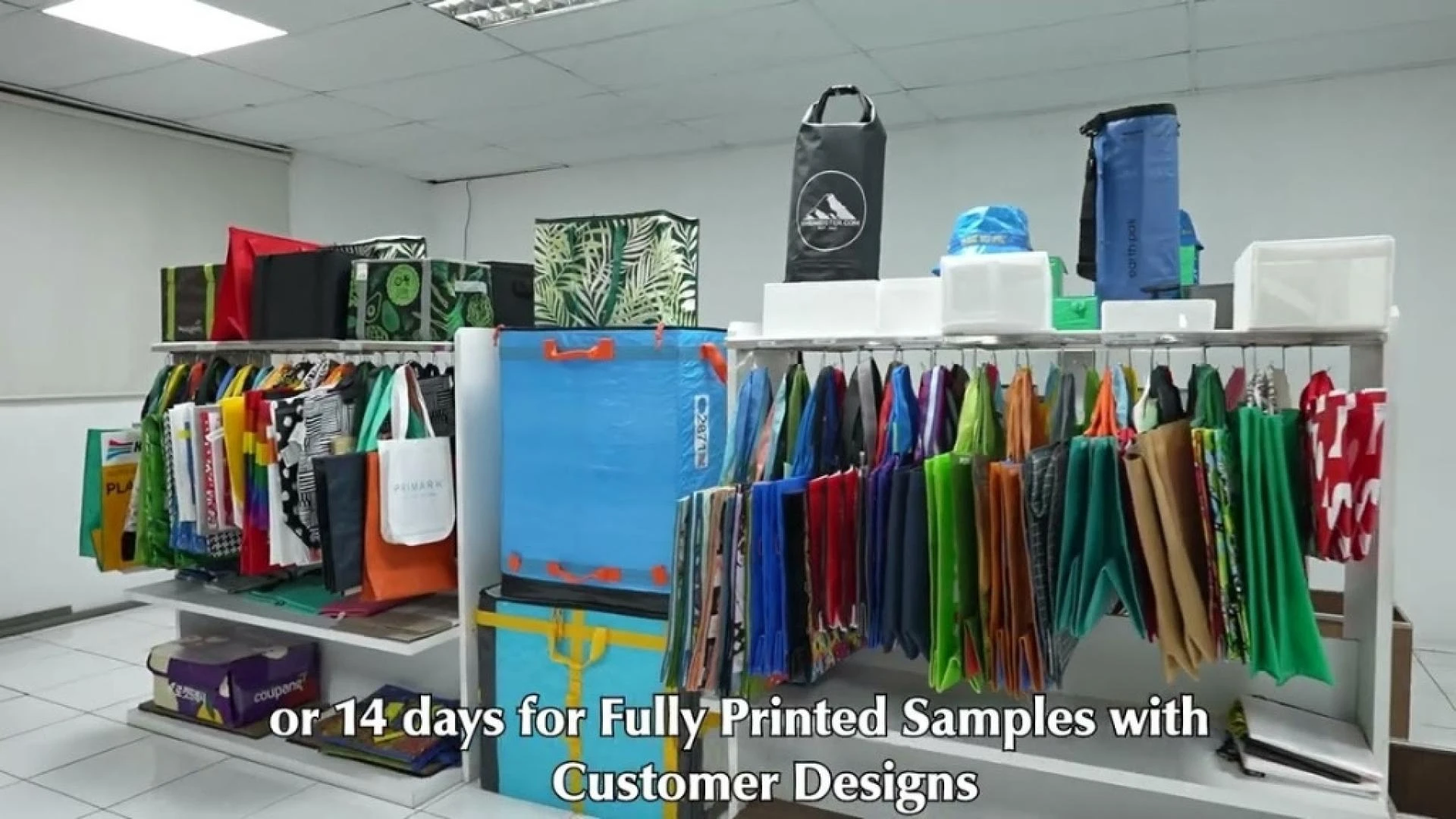
We offer a free non woven bag sample kit, letting you inspect:
- GSM accuracy
- print sharpness
- lamination smoothness
- stitching density
- reinforcement strength
Once importers compare side-by-side with their current supplier, the cost difference becomes obvious.
If our system helps you lower your cost, great — we scale with you.
If not, you still gain clarity about what’s happening inside your supply chain.
Partnerships start with evidence, not promises.
Contact
Website: K-packings.com
Phone: (+84) 855 555 751
Email: [email protected] | [email protected]
Locations:
🇺🇸 USA — 7319 N. Loop 1604 E, San Antonio, TX 78233
🇦🇴 Angola — Av. Pedro de Castro Van-Dúnem Loy, Luanda
🇻🇳 Vietnam — 169 Nguyen Ngoc Vu, Cau Giay, Hanoi
























Sign in to leave a comment.