

Decluttering before a move is not a mindset exercise. It controls how long movers stay on-site and how much you pay at the end of the day, which is why experienced house movers in Adelaide always recommend cutting volume before moving day. Every extra item creates more lifting, more stair work, more truck space, and more time charged by the hour.
People who skip decluttering usually say the same thing later — “I didn’t realise how much stuff we had.” By then, the truck already sits half full and the clock keeps running.
If you want a smoother house or office move in Australia, you need to cut volume early and be ruthless about it.
Why Less Stuff Means Fewer Hours on Moving Day
Movers charge for time and access. Stuff slows both.
When homes stay cluttered:
- Movers take longer to carry items out
- Hallways block movement
- Boxes stack poorly in the truck
- Extra trips chew up paid hours
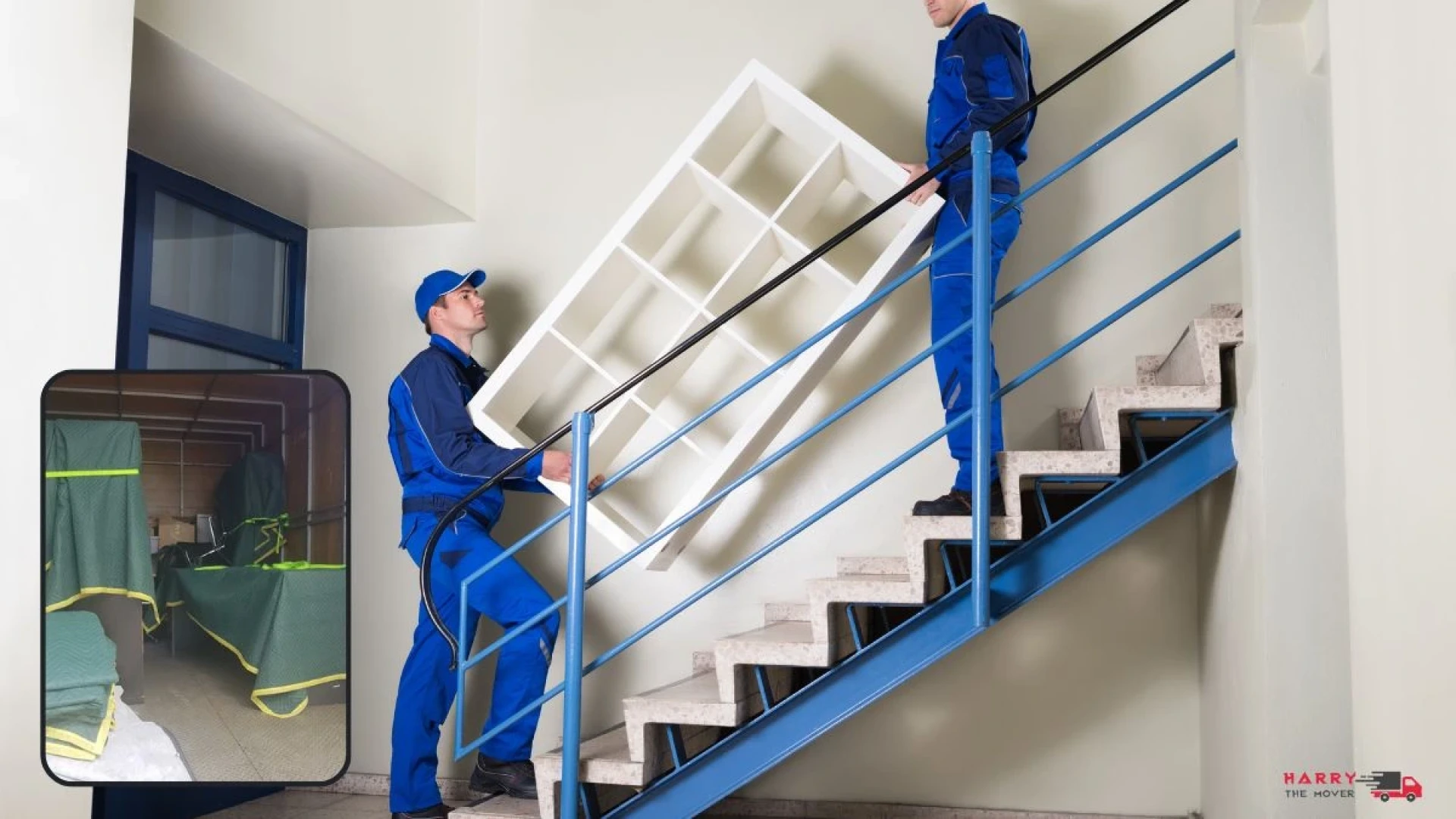
Less volume means fewer trips from door to truck. It also means fewer stair carries and cleaner stacking. Jobs finish earlier when people declutter properly. That’s not theory — that’s how moving days actually run.
When to Start Decluttering So You Do Not Panic at the End
Start four to six weeks before moving day. Anything later forces rushed decisions and lazy packing.
Use this order. It works.
- Garage, shed, storage cages
- Spare rooms and home offices
- Kitchen and laundry
- Bedrooms and wardrobes
- Living areas
- Sentimental items last
Office moves need more lead time. Businesses that delay decluttering end up paying movers to transport broken desks, dead monitors, and furniture nobody wants.
Room-by-Room Decluttering Based on Real Moving Problems
Living Areas
Large furniture causes delays. Oversized couches, unused shelves, and awkward cabinets slow loading and block exits. If an item already annoys you in the current place, it will annoy you more in the next one.
Kitchen
Expired food and unused appliances waste box space. Movers stop when containers leak or items sit loose. That pause costs time. Clear cupboards early and bin what you never use.
Bedrooms
Clothes create false volume. If you did not wear it in the last year, get rid of it. Wardrobes alone can add hours to a move when people refuse to cut them down.
Bathrooms
Throw out expired medication and half-used products. Leaking bottles slow packing and damage boxes. Movers will not touch hazardous items.
Garages and Storage
This area causes the biggest cost blowouts. Old tools, broken furniture, unused gym gear, and junk piles add weight fast. Most of it never gets used again.
What Must Leave the Property Before Movers Arrive
Movers expect a cleared home, not a sorting job.
Remove these before moving day:
- Open liquids and cleaning chemicals
- Paint, batteries, and hazardous waste
- Broken furniture
- Items already marked for disposal
Leaving these behind forces movers to stop and wait while decisions happen. That delay comes straight off your wallet.
What to Sell, Donate, or Dump Before Packing Starts
Sell anything that still works and holds value. Furniture and appliances sell faster before boxes stack up.
Donate usable items early and physically remove them from the house. Good intentions mean nothing when moving day arrives.
Book council hard rubbish or private removal ahead of time. Miss the collection window and you will scramble at the last minute.
How Decluttering Speeds Up Loading and Reduces Damage
Crowded houses slow movers down. Tight access causes scraping, awkward lifting, and unstable stacks.
Decluttered homes allow:
- Clear carry paths
- Faster truck loading
- Better item protection
- Shorter paid hours
Jobs move quicker when movers do not fight clutter.
Mistakes That Cost People Money Every Single Week
People wait too long. That’s the biggest mistake.
Others keep items out of guilt. That guilt costs money and adds nothing to the new place.
Some people fail to separate items clearly. Anything left undecided usually ends up on the truck by default.
Where Professional Movers Fit In
Movers move best when clients prepare properly. Clean access and reduced volume turn a stressful day into a controlled job.
Clients who book house movers in Adelaide often cut hours off their move simply by reducing what goes onto the truck. The same thing happens when businesses engage a moving company in Adelaide after clearing unused furniture and equipment first.
Straight Answers to Common Decluttering Questions
How early should I declutter before moving?
Four to six weeks. Large homes and offices need more time.
Does decluttering really reduce costs?
Yes. Fewer items mean fewer labour hours and faster loading.
Should I declutter before getting a quote?
Always. Accurate volume leads to accurate pricing.
What is the fastest way to declutter?
Work room by room and remove unwanted items immediately.
Final Word
Decluttering decides how your move runs. It controls time, cost, and stress. People who cut volume early finish faster and pay less. People who delay pay for it later.
Start early. Make decisions fast. Do not move items that have no job in the next place. That approach works every time in Australia.



Sign in to leave a comment.