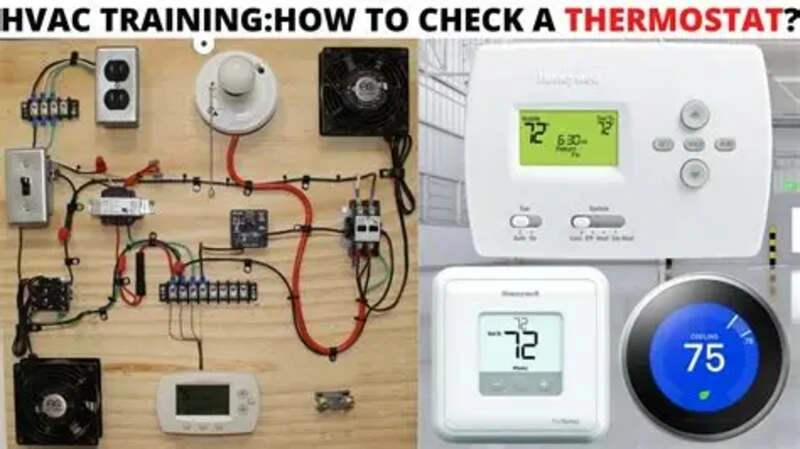
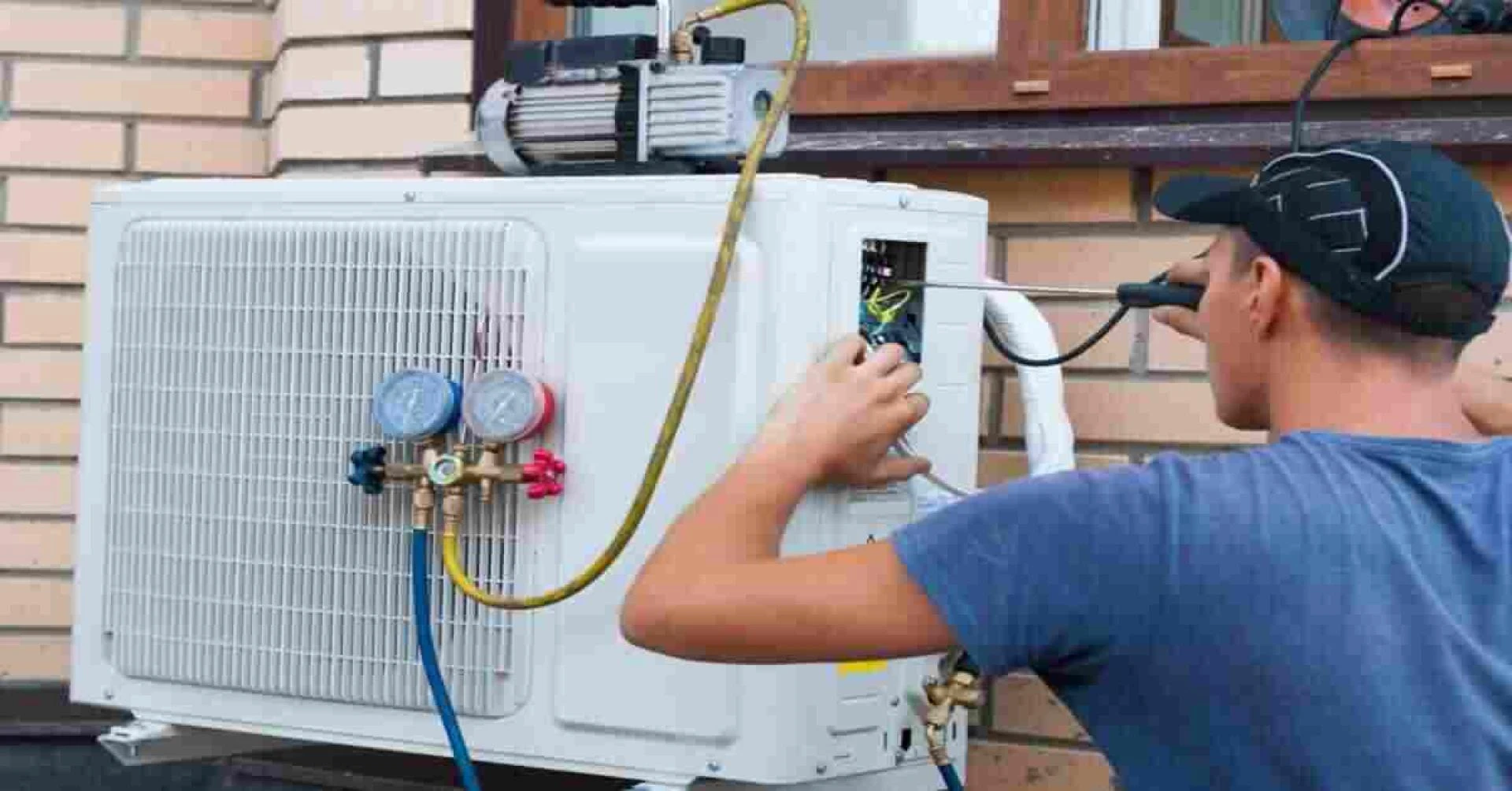
Heating systems rarely fail without warning, yet the symptoms can feel similar whether the thermostat is misreading conditions or the furnace is falling short. Knowing how to diagnose the issue saves time, reduces unnecessary service calls, and helps ensure reliable performance throughout the heating season. For technicians, facility managers, and energy professionals, a clear process is essential.
This guide harga ac, breaks down the core steps to identify which component is at fault, how to confirm your findings, and when to escalate to repair or replacement.
Understand How the Thermostat and Furnace Work Together
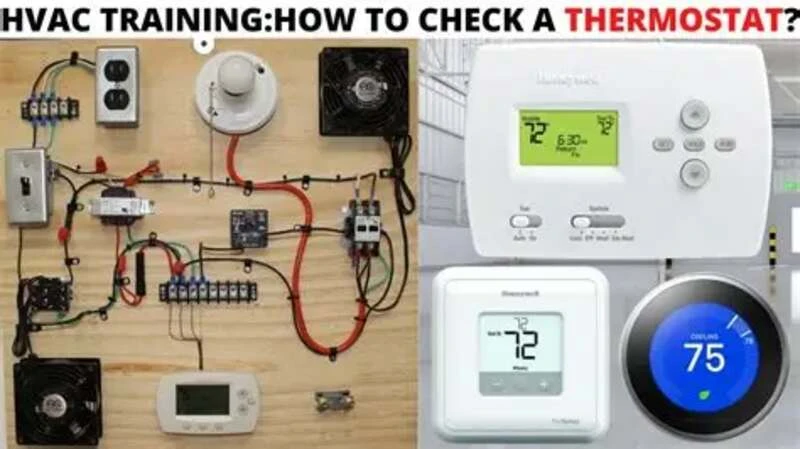
Before running diagnostics, it helps to understand the roles of each device. The thermostat records room temperature, compares that reading to the setpoint, and sends a call for heat. The furnace responds to that signal and begins its ignition and heating cycle.
Problems arise when:
The thermostat sends inaccurate or inconsistent signals.
The furnace receives a good signal but cannot complete the heating process.
Wiring or communication issues interrupt the chain between the two.
Knowing where the communication breaks down is the key to an accurate diagnosis.
Step 1: Start with the Thermostat’s Basic Checks
When the heat does not turn on, always start with the simplest checks. Many issues that appear to be mechanical failures are actually basic control problems.
Confirm the mode and setpoint
Make sure the thermostat is set to Heat and that the temperature setting is above the room reading. Sudden drops in outdoor temperature often expose settings that are too low to trigger a call for heat.
Check the power supply
Battery powered thermostats may lose accuracy when voltage falls. Replace the batteries even if the low power indicator has not appeared yet. Hardwired thermostats should show a clear display. If the screen is dead, the transformer or wiring could be the issue.
Inspect location and airflow
A thermostat placed near vents, appliances, or direct sunlight can produce incorrect readings. Even a minor heat source can cause premature shutoff or prevent the furnace from engaging.
If these basic checkpoints reveal no cause, move into functional testing.
Step 2: Test Whether the Thermostat Is Sending a Call for Heat
A thermostat that looks fine may still fail to send a proper signal. There are several professional methods to confirm whether the device is performing its role.
Override the program
Switch the thermostat into manual mode to eliminate scheduling conflicts. If heat starts immediately, the programmed schedule may be misconfigured.
Raise the setpoint significantly
Increase the temperature by ten degrees. If no response follows, the issue is likely electrical.
Check wiring connections
Loose wires behind the thermostat plate can interrupt the heat call. Confirm that the R and W terminals have secure, clean connections. If there is corrosion, oxidation, or broken insulation, that may be the source of the failure.
If the thermostat passes all these tests and the furnace remains inactive, the issue is likely on the furnace side.
Step 3: Diagnose Furnace Response and Operation
Once you confirm that the thermostat is sending the correct signal, focus on the furnace itself.
Listen for startup activity
Modern furnaces begin with a clear sequence: inducer fan, ignition, burner operation, and blower. If none of this begins, the control board may not be reading the call for heat.
Check the furnace power supply
Ensure the switch near the furnace is on and that the circuit breaker has not tripped. Many service calls stem from accidental power switches.
Inspect the air filter
A clogged filter can cause overheating and safety shutoffs. If the filter is dirty, replace it and try again. Restricted airflow is one of the most common reasons a furnace refuses to stay on.
Look for error codes
Most modern units display diagnostic lights or codes on the control board. These codes point directly to issues like ignition failure, pressure switch faults, or limit switch trips. Always consult the furnace manual or the manufacturer’s product documentation for accurate interpretation.
Step 4: Compare Thermostat Signals with Furnace Behavior
At this stage you want to match what the thermostat claims to be doing with what the furnace is actually doing.
A few clear patterns help identify the real source:
Thermostat shows a call for heat but the furnace does nothing
Likely furnace electrical or control board issue.
Thermostat does not show a call for heat, but the room is cold
Thermostat sensor, power, or wiring issue.
Furnace starts but cycles off quickly
Airflow restriction, overheating, flame failure, or safety switch malfunction.
This comparison helps narrow the fault to the correct component.
Step 5: Know When Replacement Makes More Sense
A thermostat that frequently loses calibration, shows phantom readings, or struggles with intermittent power should be replaced. Newer smart models provide better accuracy and more stable communication.
Furnace replacement becomes practical when:
Safety switches trip repeatedly.
The ignition system fails frequently.
Repair costs exceed ongoing operating value.
The unit is beyond its expected service life.
Quality products from established manufacturers help reduce repeat failures and support more consistent diagnostics in the future.
Step 6: Document and Communicate Findings
Clear documentation helps technicians, facility managers, or clients understand what failed and why. Record readings, safety trips, wiring conditions, and control signals. This builds a reliable maintenance history and helps prevent similar problems later.

























Sign in to leave a comment.