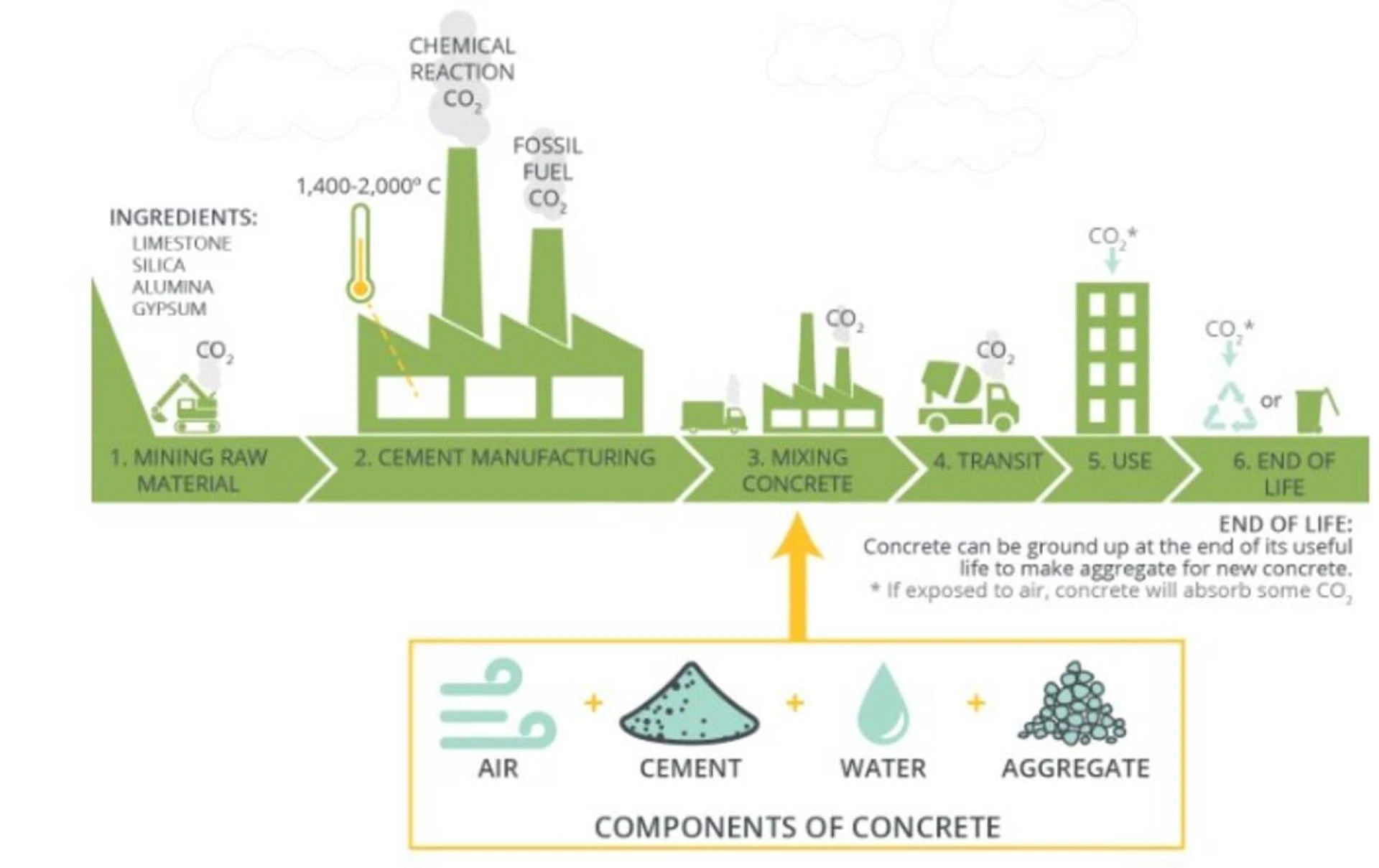

As governments and industries worldwide push toward lower emissions and more sustainable construction practices, the materials we build with are under increasing scrutiny. Traditional Portland cement concrete, while versatile and widely used, is responsible for a significant share of global carbon dioxide emissions. This has driven interest in alternative materials that can deliver performance while reducing environmental impact. One such solution gaining attention is Sulfur Concrete technology.
Sulfur Concrete offers a practical and scalable way to reduce carbon footprint without compromising durability or structural integrity. For industries seeking both environmental and economic advantages, this technology presents a compelling option.
The Carbon Challenge in Conventional Concrete
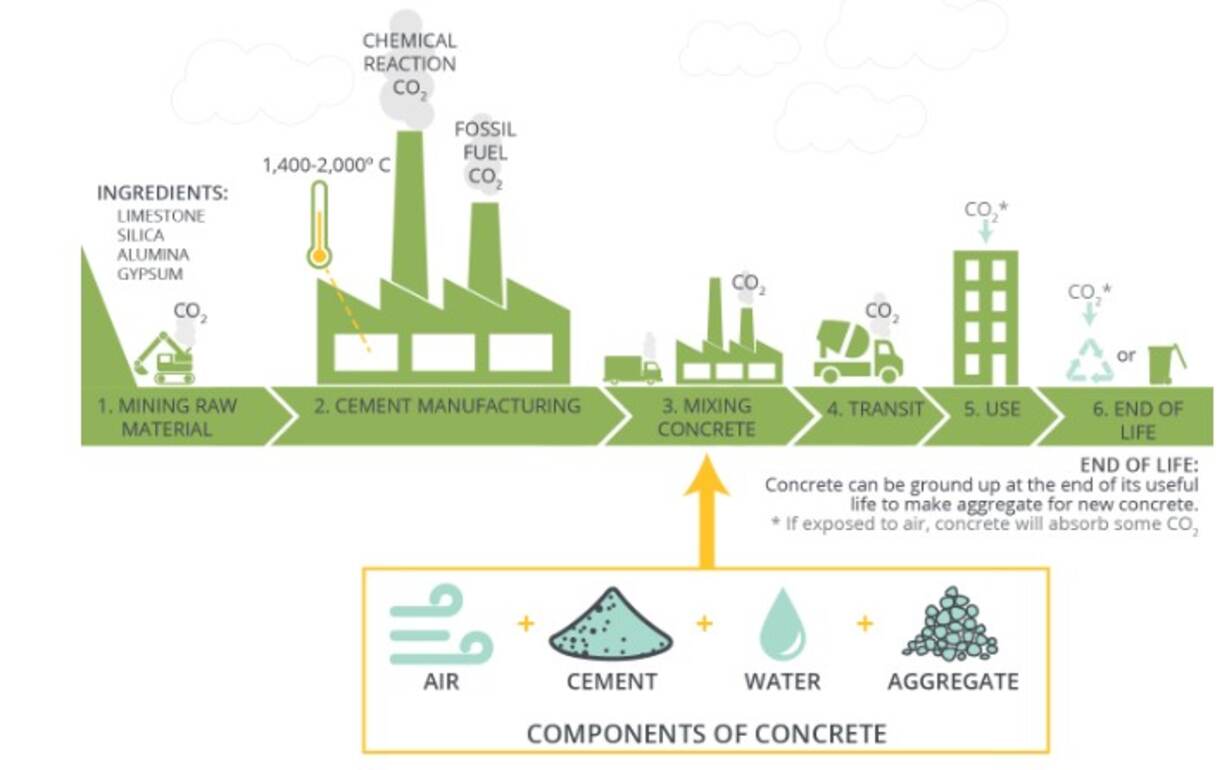
Cement production accounts for roughly 7–8 percent of global CO₂ emissions. The energy-intensive process of calcining limestone releases carbon dioxide both from fuel combustion and chemical reactions. As infrastructure development continues across emerging and developed markets, the environmental cost of conventional concrete continues to rise.
Reducing cement content, improving material efficiency, or replacing cement altogether are among the strategies being explored. Sulfur Concrete stands out because it eliminates cement entirely, addressing emissions at their source rather than offsetting them later.
What Is Sulfur Concrete?
Sulfur Concrete is a composite material in which molten sulfur acts as the binder instead of cement. Aggregates such as sand, gravel, or industrial by-products are mixed with modified sulfur to produce a dense, high-performance concrete. Once cooled, the sulfur solidifies, creating a strong and durable matrix.
Modern Sulfur Concrete products use chemically modified sulfur to overcome earlier limitations such as brittleness or thermal sensitivity. These improvements have made the material suitable for a wide range of structural and industrial applications.
Environmental Benefits of Sulfur Concrete Technology
The most immediate advantage of Sulfur Concrete is its low carbon footprint. Since it contains no cement and requires lower processing temperatures, emissions during production are significantly reduced.
Additional environmental benefits include:
Use of industrial by-products: Sulfur is often recovered as a by-product from oil and gas refining. Using it in construction adds value to an existing material stream.
Recyclability: Sulfur Concrete can be reheated, re-melted, and reused, supporting circular economy principles.
Zero water requirement: Unlike traditional concrete, Sulfur Concrete does not require water for curing, making it ideal for arid regions and water-stressed environments.
These factors make Sulfur Concrete especially attractive for projects where sustainability targets are a priority.
Performance Advantages Beyond Sustainability
Reducing emissions alone is not enough. Construction materials must also meet strict performance standards. Sulfur Concrete performs well in several demanding conditions.
It offers high early strength, often reaching full mechanical performance within hours rather than weeks. This allows for faster construction schedules and reduced downtime. Sulfur Concrete also shows exceptional resistance to acids, salts, and chemical attack, making it ideal for industrial flooring, wastewater facilities, and marine structures.
Its low permeability reduces corrosion risk for embedded reinforcement, extending service life and lowering maintenance costs over time.
Applications Across Industries
Sulfur Concrete technology has proven especially effective in specialized applications where conventional concrete struggles. Common uses include:
- Industrial floors and containment areas
- Sewer systems and wastewater treatment plants
- Chemical processing facilities
- Precast elements such as blocks, slabs, and pipes
- Infrastructure in corrosive or aggressive environments
Many manufacturers now offer tailored Sulfur Concrete products designed for specific load, chemical, or temperature requirements. This product-focused approach makes it easier for engineers and contractors to integrate Sulfur Concrete into existing design frameworks.
Practical Considerations for Adoption
While Sulfur Concrete offers many advantages, successful implementation requires proper planning. Temperature control during production is critical, as sulfur must be melted and handled safely. This is typically managed through specialized equipment and trained personnel.
Design codes and standards for Sulfur Concrete are evolving, and collaboration with experienced suppliers is essential. Leading product manufacturers often provide technical support, mix designs, and installation guidance to ensure consistent results.
From a cost perspective, Sulfur Concrete can be competitive, particularly when lifecycle costs are considered. Faster installation, reduced maintenance, and longer service life often offset initial material or equipment investments.
The Role of Product Innovation
Recent advances in Sulfur Concrete technology have focused on improving workability, thermal stability, and long-term performance. Modified sulfur binders, fiber reinforcement, and optimized aggregate grading have expanded the range of viable applications.
Manufacturers are increasingly offering ready-to-use Sulfur Concrete systems, including pre-blended sulfur binders and modular casting solutions. These products simplify adoption and reduce barriers for contractors unfamiliar with sulfur-based materials.
By focusing on standardized, performance-tested products, the industry is moving Sulfur Concrete from niche use to mainstream consideration.
Looking Ahead
As sustainability requirements become stricter, the construction industry will need materials that align environmental responsibility with performance and cost efficiency. Sulfur Concrete technology meets these demands in a practical and proven way.
For organizations seeking to reduce carbon footprint while delivering durable infrastructure, Sulfur Concrete is not just an alternative. It is a forward-looking solution that aligns with global climate goals and modern construction needs.
By embracing innovative materials and product-driven solutions, the industry can make meaningful progress toward a lower-carbon future without sacrificing quality or reliability.
Article" Reducing Carbon Footprint with Sulfur Concrete Technology" write by: toko sulfur - belirangkalisari.id
























Sign in to leave a comment.