Disposing of heavy metals requires extra care — not just for safety, but also for environmental protection. Unlike everyday waste, heavy metals such as lead, mercury, cadmium, and chromium are toxic and can cause long-term harm to the environment and human health if not handled correctly.
Fortunately, you have safe and eco-friendly options for heavy metal disposal and recycling that help you stay compliant, protect the planet, and even earn some extra cash for recyclable materials. Here’s a complete guide on how to dispose of heavy metals Perth — the right way.
Understanding Heavy Metals and Their Risks
Heavy metals are naturally occurring elements found in various industrial, automotive, and household products. While some — like copper, zinc, and iron — are essential in small amounts, others, such as lead, mercury, cadmium, and arsenic, are toxic even in trace quantities.
Improper disposal of these metals can contaminate soil and water, disrupt ecosystems, and pose serious health risks including kidney damage, neurological disorders, and respiratory issues. That’s why safe and regulated heavy metal recycling is crucial.
Common Sources of Heavy Metals
Heavy metals can be found in many everyday items and industrial materials. Knowing where they come from helps you identify what needs proper disposal. Here are some common sources:
- Batteries: Car batteries, UPS systems, and rechargeable batteries contain lead, nickel, and cadmium.
- Electronics: Computers, televisions, circuit boards, and phones often contain mercury, lead, and chromium.
- Automotive Parts: Radiators, engines, and exhaust systems may contain trace amounts of heavy metals.
- Industrial Waste: Factories and workshops produce metal-containing sludge, filters, and scrap.
- Paints and Coatings: Older paints may contain lead-based compounds.
- Plumbing and Roofing Materials: Copper and zinc are common in pipes, sheets, and fixtures.
By recognizing these materials, you can prevent hazardous metals from ending up in landfills or general waste.
The Right Way to Dispose of Heavy Metals in Perth
Disposing of heavy metals safely involves following proper recycling and waste management procedures. Here’s how to do it step by step:
1. Identify and Separate the Metals - Start by identifying which items contain heavy metals. Separate them from your general rubbish or mixed recyclables. If unsure, check product labels or consult your local recycling centre for advice.
2. Do Not Throw in Regular Bins - Never dispose of heavy metal-containing items in regular household bins. Once in landfill, they can leach into the soil and groundwater, causing irreversible contamination. Perth’s waste collection services do not accept these materials in general waste streams.
3. Take to an Authorized Recycling or Drop-off Facility - Perth has several authorized recycling centers and hazardous waste collection points that safely process heavy metals. These facilities are equipped to handle, neutralise, or recycle the materials in compliance with environmental standards. You can locate the nearest drop-off point by checking with:
- City of Perth waste services
- Regional transfer stations and resource recovery centers
- Licensed metal recyclers and scrap yards
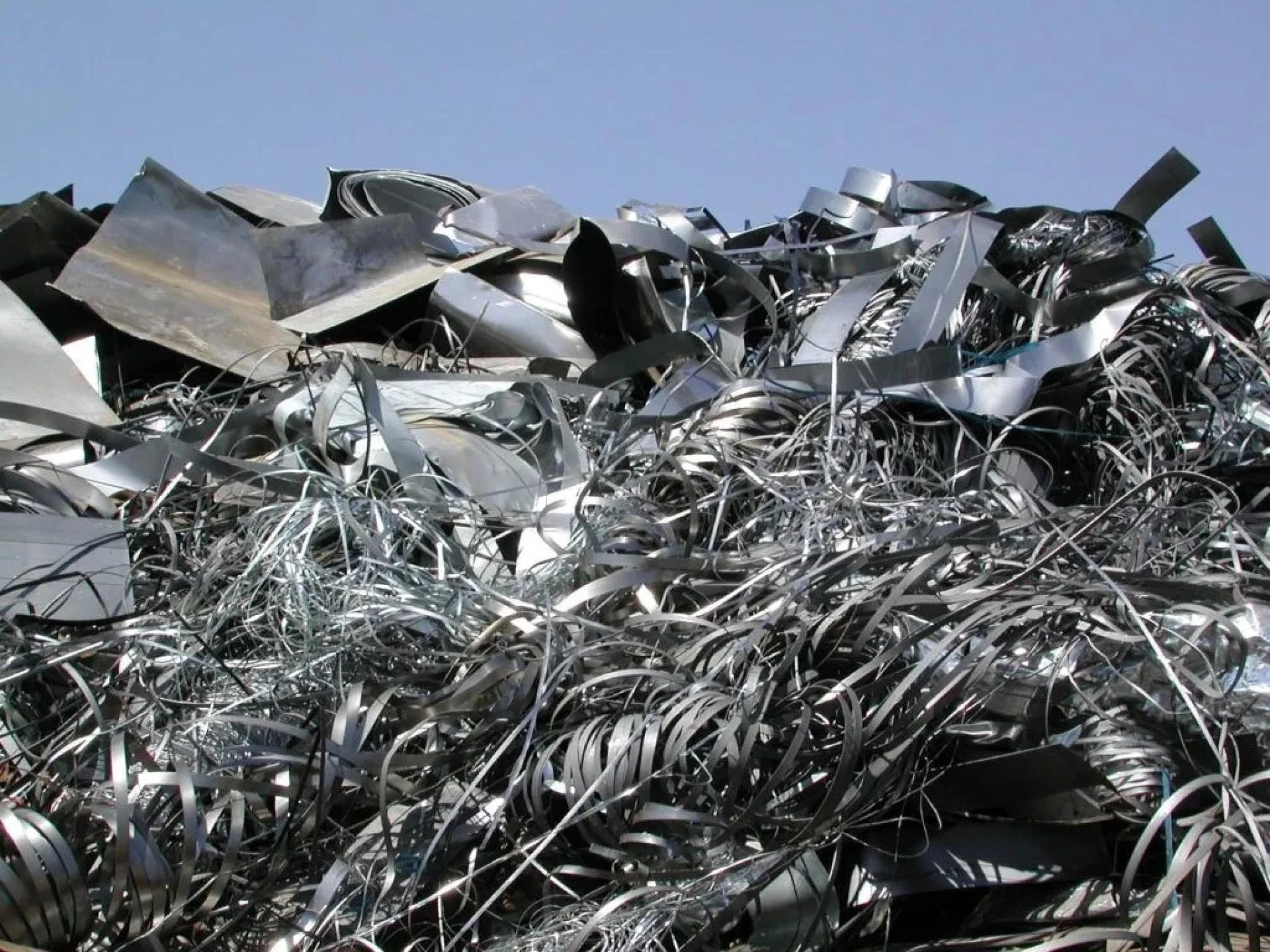
Many of these facilities also offer cash for metal recycling, particularly for valuable metals such as scrap copper, brass, lead, and aluminium.
4. Use Professional Collection Services for Bulk or Industrial Waste - If you operate a business or have a large quantity of heavy metal waste, it’s best to contact professional recyclers in Perth. They provide on-site collection, weighing, and safe transportation to ensure all waste is handled responsibly. Some recyclers even issue waste disposal certificates, which can be useful for compliance and audit purposes.
5. Follow Environmental and Safety Regulations - Western Australia has strict regulations under the Environmental Protection Act for handling hazardous and heavy metal waste. Always choose licensed recyclers or disposal facilities that adhere to these standards to avoid fines and environmental harm.
Environmental Benefits of Recycling Heavy Metals
Recycling heavy metals doesn’t just protect the environment — it also recovers valuable materials that can be reused in manufacturing. Here are some key benefits:
- Prevents Pollution: Stops harmful substances from entering waterways and soil.
- Conserves Resources: Reduces the need for new mining and extraction.
- Saves Energy: Recycling metals uses far less energy than producing them from raw materials.
- Supports the Local Economy: Creates green jobs and boosts Perth’s recycling industry.
- Promotes Awareness: Encourages responsible waste habits among households and businesses.
By recycling, you’re not only doing your bit for the environment but also contributing to a more sustainable and circular economy in Western Australia.
Where to Recycle Heavy Metals in Perth
Perth is home to several reliable metal recycling centres and waste management facilities that accept heavy metals for recycling or safe disposal. Some well-known options include:
- Licensed scrap metal recyclers – for lead, copper, aluminium, and brass.
- Household Hazardous Waste (HHW) drop-off points – for batteries, chemicals, and e-waste.
- Commercial recycling services – offering pickups for industrial quantities.
- Always ensure you’re dealing with an EPA-approved or local council-authorised recycler.
Final Thoughts
Proper heavy metal disposal isn’t just a good habit — it’s a responsibility. By choosing safe recycling methods in Perth, you’re helping protect the environment, reduce pollution, and conserve valuable natural resources. Whether you’re a homeowner with a few old batteries or a business with industrial metal waste, taking your materials to a licensed Perth recycler ensures they’re handled safely, legally, and sustainably. So next time you come across metal waste, think twice before tossing it away — recycle it the right way and be part of Perth’s cleaner, greener future.























Sign in to leave a comment.