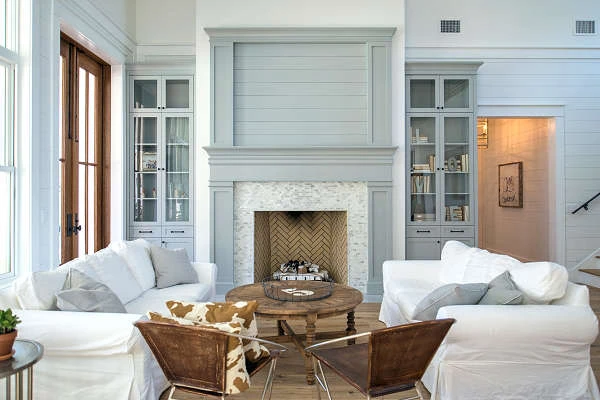

In interior design, wood paneling is a classic testament to elegance. Wood paneling is a flexible and appealing option for improving living spaces. This is because the range of wood varieties available offers a vast palette of textures and colors.
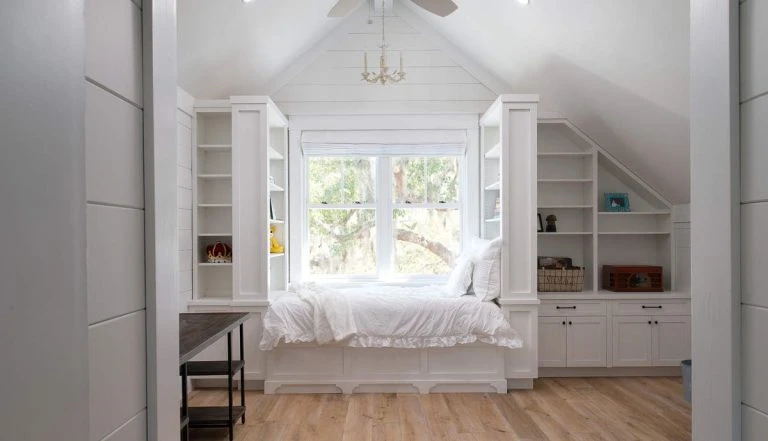
Read on to explore a variety of options when it comes to wood paneling for interior walls, their advantages, and the necessary conditions for preserving them.
Types of Wood for Paneling
If you\'ve decided to install interior wood paneling for your walls, you should consider what kind of wood would work best for you. You can bring different moods, themes, and color combinations to your home if you use various types and colors of wood. The following are some wood varieties to think about:
1. Oak
Oak wood paneling offers a range of choices and is highly valued for its resilience and adaptability. Sophistication is emitted by the warm tones and unique grain patterns on this type of wood. While white wood\'s more subdued grain pattern appeals to people who like understated elegance, red oak adds a rosy tint.
2. Walnut
Wood paneling made of walnut stands out for a deep, ominous atmosphere. Walnut panels, with their rich brown tones and detailed grain patterns, turn areas into opulent retreats. Furthermore, walnut\'s inherent resistance to pests and rot adds to its allure.
3. Cedar
Cedar wood paneling gives a rustic charm with its mild reddish-brown tones and distinct aroma. Because of its natural resistance to insects and decay and its aesthetic value, cedar is a highly sought-after material for both traditional and modern homes.
4. Pine
Pine wood paneling for interior walls offers an affordable choice without sacrificing aesthetic appeal. Pine\'s light color and slight grain make it a versatile material for establishing a cottage or farmhouse feel. It may be stained or painted to complement a variety of design styles.
5. Maple
Maple wood paneling, valued for its continuous grain and light, creamy color, brightens areas. As a result, these areas appear bigger and more airy than they actually are. Its versatility and usability enable intricate patterns and motifs.
Benefits of Wood Paneling for Interior Walls
Now that you know which types of wood varieties would work for your home, here are some benefits on why to use them. The organic and ageless beauty of decorative wood panels for interior walls fosters a cozy, welcoming ambiance. This provides a blank canvas for a variety of design aesthetics, from traditional to modern. The next benefit is how wood panels work as natural insulators.
This helps them regulate your home’s temperature to provide a comfortable living space. Furthermore, it is known for its ability to promote better conservation and energy efficiency. With the right maintenance, your wood paneling can stand strong despite many years and generations going by. It can stay structurally strong and visually attractive, giving homeowners the chance to customize their living areas.
How to Maintain Your Wood Paneling
It is essential to keep dirt and dust from building up on wood paneling for interior walls. Avoiding build-up is made easier with routine dusting with a soft, dry cloth or a mild vacuum attachment. Avoid using harsh chemicals if you want to keep the wood\'s finish intact.
Because wood absorbs moisture easily, it might bend or develop mold. Promptly repairing water leaks and providing sufficient ventilation in rooms with wood paneling are preventative measures. The use of a protective finish, like polyurethane or clear sealer, helps to screen the wood from stains and maintain its inherent beauty.
The required shine and protection determine which finish is best for your wood. It\'s critical to keep inside temperatures constant to prevent the wood from expanding or contracting excessively. Significant temperature changes can cause gaps or cracks in the paneling, highlighting the significance of climate control.
Conclusion
With its many varieties and enduring appeal, interior wood paneling for walls is a classic option. Recognizing the advantages of several wood varieties and using proper maintenance methods guarantee that your wood-paneled walls not only withstand the ravages of time but also create a durable impact on the interiors of your house.


























Sign in to leave a comment.