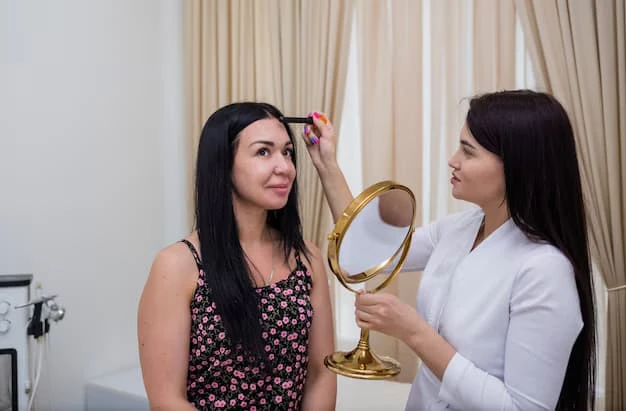

The beauty industry continues to expand rapidly, creating exciting career opportunities for skilled professionals. One of the most respected qualifications in this field is nvq level 3 beauty therapy, which equips learners with advanced practical skills and industry recognized certification. For individuals who want to progress in their beauty careers, understanding how to enroll in this qualification is an important first step. This guide explains everything prospective students need to know about eligibility, application procedures, course structure, and how to prepare for successful enrollment.
Understanding NVQ Level 3 Beauty Therapy
Before beginning the enrollment process, it is important to understand what this qualification involves and why it holds significant value within the beauty industry.
What Is NVQ Level 3 Beauty Therapy
NVQ stands for National Vocational Qualification. Level 3 is considered an advanced level that builds on foundational beauty therapy skills. This course focuses on practical, competency based training that prepares learners to perform advanced treatments safely and professionally.
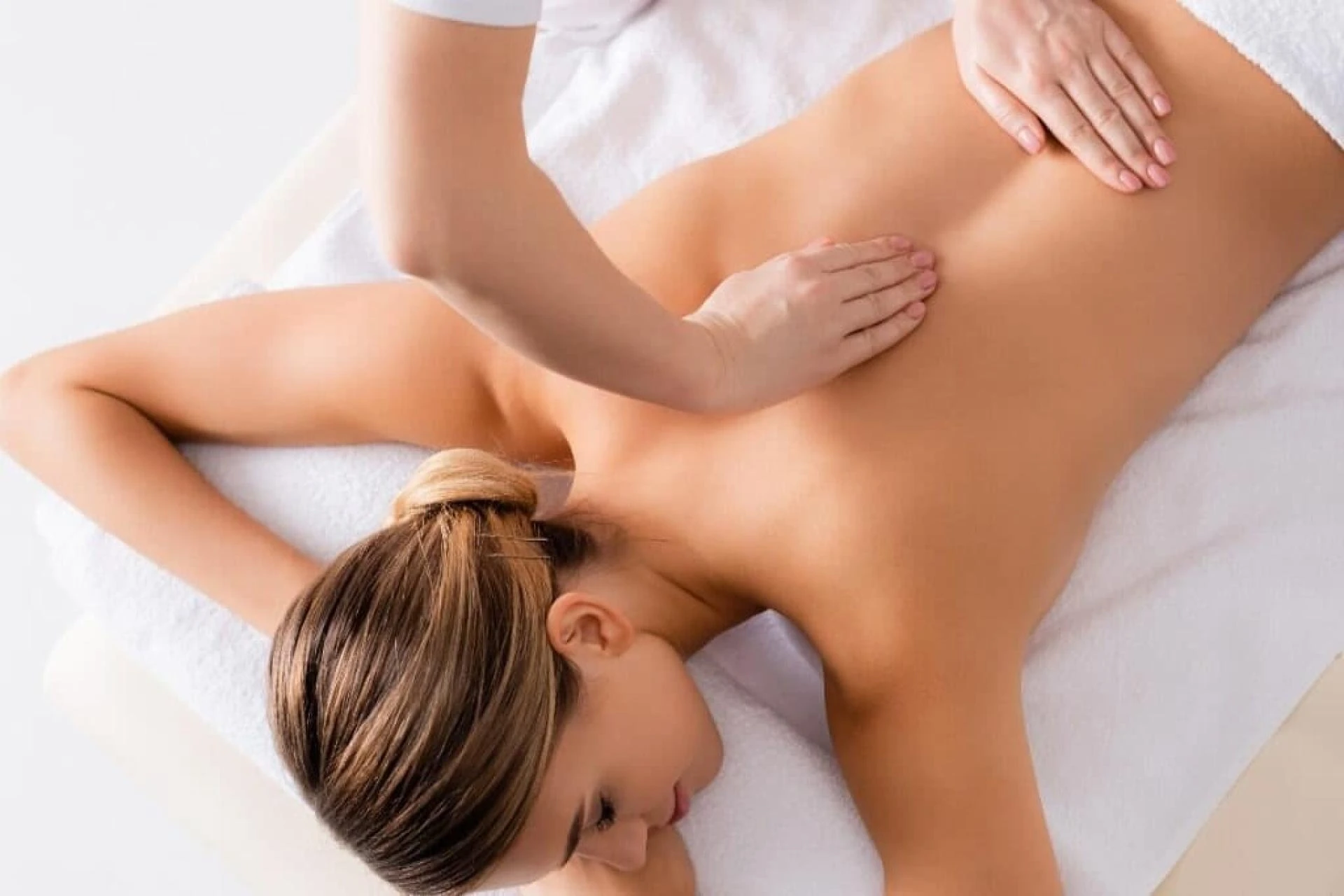
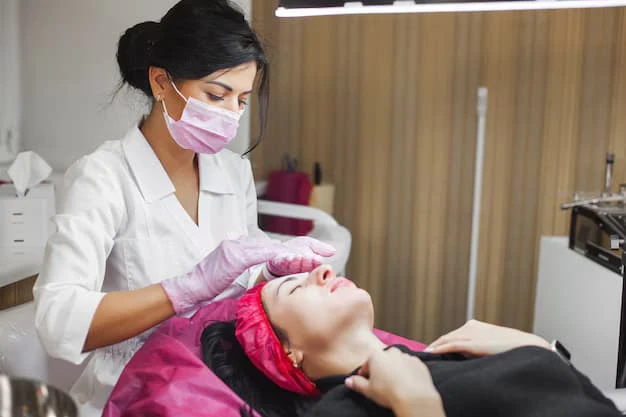
The qualification typically includes units such as facial electrical treatments, body electrical treatments, massage therapy, health and safety practices, and client consultation techniques. Students are assessed through practical demonstrations, written assignments, and portfolio development.
Who Should Consider This Qualification
This course is ideal for individuals who have already completed a Level 2 beauty therapy qualification or have equivalent experience in the industry. It is suitable for:
- Beauty therapists seeking career progression
- Salon professionals aiming to expand their treatment offerings
- Individuals interested in working in spas, clinics, or cruise ships
- Those planning to start their own beauty business
Level 3 certification often serves as a gateway to higher earning potential and specialized treatment training.
Entry Requirements and Eligibility
Before applying, prospective learners should confirm that they meet the standard entry requirements.
Educational Background
Most training providers require applicants to have successfully completed a Level 2 beauty therapy qualification. This ensures that students already understand basic beauty treatments, client care, and hygiene standards.
In some cases, relevant work experience in the beauty industry may be considered equivalent.
Age Requirements
Typically, learners must be at least 16 or 18 years old, depending on the training provider’s policies. Mature students are also welcome, and many courses attract learners who are changing careers.
English Language and Communication Skills
Since assessments involve written assignments and client consultations, learners should have a good understanding of English. Clear communication skills are essential for interacting with clients professionally.
Researching Accredited Training Providers
Choosing the right training provider is a crucial step in the enrollment process.
Importance of Accreditation
Accredited providers ensure that the qualification meets national standards. Accreditation confirms that the training, assessments, and certification are recognized within the industry.
Learners should verify that the provider offers a regulated NVQ Level 3 qualification approved by the relevant awarding body.
Evaluating Course Delivery Options
Training providers may offer different study formats, including:
- Full time classroom based courses
- Part time evening or weekend classes
- Blended learning with online theory and in person practical sessions
Prospective students should select a format that aligns with their schedule and learning style.
Checking Facilities and Equipment
Advanced beauty therapy treatments require professional equipment. Visiting the training center or reviewing available resources ensures that students will receive hands on practice with industry standard tools.
Understanding the Application Process
Once a suitable training provider is selected, applicants can begin the formal enrollment process.
Completing the Application Form
Most providers require an application form, which may be completed online or in person. The form typically asks for:
- Personal details
- Educational background
- Work experience
- Previous qualifications
Applicants should ensure all information is accurate and complete.
Submitting Supporting Documents
Supporting documents may include:
- Copies of previous certificates
- Proof of identification
- Proof of address
Some providers may also request references or a personal statement outlining career goals.
Attending an Interview or Assessment
Many training centers conduct interviews to assess suitability. During the interview, applicants may be asked about their experience, career aspirations, and understanding of the course requirements.
In some cases, a short skills assessment may be required to confirm competency at Level 2 standard.
Understanding Course Structure and Content
Knowing what to expect from the course helps learners prepare effectively.
Core Units Covered
NVQ Level 3 beauty therapy courses often include units such as:
- Provide facial electrical treatments
- Provide body electrical treatments
- Provide body massage
- Monitor and maintain health and safety practice
- Client care and consultation
Each unit focuses on developing technical expertise and professional conduct.
Assessment Methods
Assessment is competency based, meaning learners must demonstrate their skills in real or simulated salon environments. Assessment methods may include:
- Practical observations
- Written assignments
- Oral questioning
- Portfolio of evidence
Students are required to show consistent performance that meets industry standards.
Duration of the Course
Course duration varies depending on study mode. Full time learners may complete the qualification within several months, while part time learners may take longer. Flexible study options allow students to balance training with work or personal commitments.
Funding and Payment Options
Financing education is an important consideration.
Course Fees
Course fees depend on the training provider and location. Prospective learners should request a detailed breakdown of tuition fees, registration costs, and examination fees.
Payment Plans
Many training providers offer installment plans to make the course more affordable. Spreading payments across several months can reduce financial pressure.
Financial Support
Depending on eligibility, learners may qualify for government funding, loans, or grants. Researching available financial support options can help reduce overall costs.
Preparing for Enrollment
Taking proactive steps before the course begins can improve the learning experience.
Refreshing Level 2 Knowledge
Since Level 3 builds on foundational skills, reviewing Level 2 materials can be helpful. Revisiting topics such as anatomy, physiology, and basic treatments ensures a smoother transition.
Developing Professional Mindset
Advanced beauty therapy requires professionalism, attention to detail, and strong client care skills. Learners should cultivate punctuality, hygiene awareness, and effective communication habits.
Organizing Required Materials
Students may need uniforms, kits, or textbooks. Confirming required materials in advance ensures readiness for the first day of training.
Career Opportunities After Qualification
Completing NVQ Level 3 beauty therapy opens numerous career paths.
Employment in Salons and Spas
Qualified therapists can work in high end salons, wellness centers, and spas offering advanced treatments. Employers value Level 3 certification because it demonstrates competency in electrical and massage therapies.
Self Employment and Business Ownership
Many professionals use this qualification to start their own beauty businesses. With advanced skills and recognized certification, therapists can build a loyal client base and increase earning potential.
Further Education
Level 3 also provides a pathway to specialized courses such as laser treatments, advanced skincare, and aesthetic procedures. Continuous professional development enhances career prospects.
Common Mistakes to Avoid During Enrollment
Understanding potential pitfalls helps applicants avoid unnecessary delays.
Choosing a Non Accredited Provider
Enrolling with an unrecognized provider may result in a qualification that is not widely accepted. Always confirm accreditation before committing.
Ignoring Course Commitments
Level 3 training requires dedication and regular attendance. Applicants should ensure they can commit the necessary time and effort.
Overlooking Financial Planning
Failing to plan for course fees or additional expenses can create stress. Budgeting carefully ensures a smooth learning journey.
Final Thoughts on Enrolling in NVQ Level 3 Beauty Therapy Courses
Enrolling in NVQ Level 3 beauty therapy is a significant step toward building a successful and rewarding career in the beauty industry. By understanding entry requirements, researching accredited providers, preparing necessary documents, and planning finances carefully, prospective students can navigate the enrollment process with confidence. This qualification not only enhances practical skills but also increases professional credibility and employment opportunities.
For individuals ready to advance their beauty therapy career with expert guidance and professional training, Este Training Academy offers comprehensive support and accredited programs designed to help learners succeed.















Sign in to leave a comment.