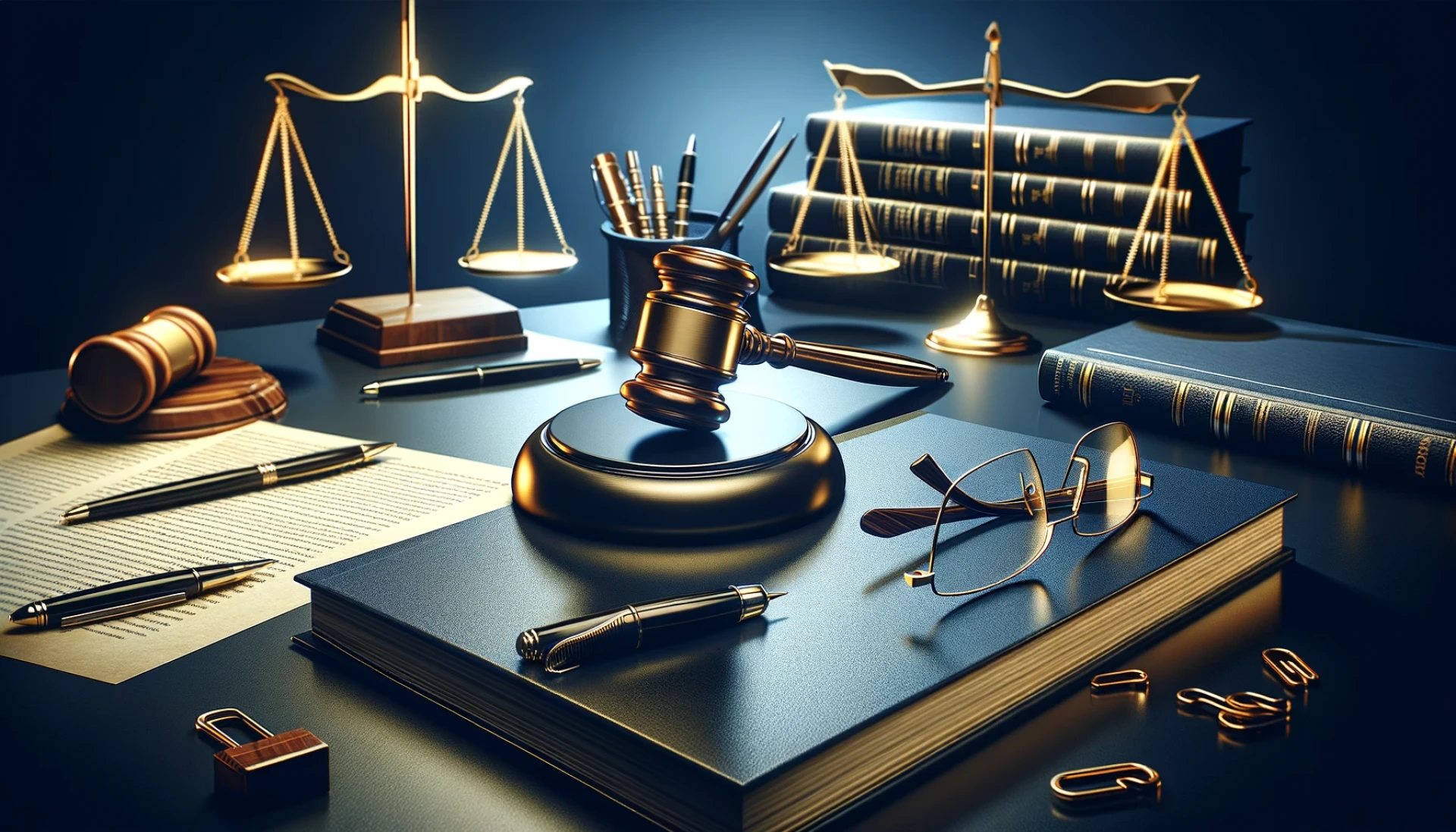

In the legal world, accuracy in documentation is not just a best practice, it is a necessity. From depositions and court hearings to legal interviews, every word carries weight, and even minor errors can lead to misinterpretations, disputes, or case reversals. Given the stakes, attorneys, court reporters, and legal professionals must adopt rigorous methods to ensure verbatim accuracy in legal records.
This article explores common challenges in legal documentation, the ethical considerations when recording legal conversations, and best practices to maintain precision and reliability in legal records.
Challenges in Maintaining Verbatim Accuracy in Legal Records
1. Complex Legal Terminology & Jargon
Legal language is intricate, often involving Latin phrases, statutory references, and procedural terms that may be misunderstood or misrecorded. Even a minor deviation in wording can alter the legal interpretation of a document.
2. Overlapping Speech & Interruptions
In depositions and courtroom proceedings, multiple speakers often talk over each other. Without proper transcription techniques, such exchanges can become ambiguous or inaccurately transcribed, leading to confusion in legal arguments.
3. Background Noise & Audio Quality Issues
Poor recording conditions, such as echo, static, or distant microphones, can make speech inaudible or misinterpreted. Legal professionals should prioritize high-quality recording equipment to capture speech clearly.
4. Accents, Dialects, and Speech Impediments
Legal proceedings involve speakers from diverse backgrounds. Accents and dialectical variations may lead to transcription errors if not handled by experienced professionals.
5. Speaker Identification Errors
Misattributing a statement to the wrong party in a court transcript or deposition can significantly impact a case. Accurate identification of speakers is critical for evidentiary integrity.
Ethical Considerations When Recording Conversations for Litigation
1. Consent & Legal Compliance
Recording conversations without proper consent can have legal consequences. U.S. states follow either one-party or two-party consent laws for recording conversations:
- One-party consent states: Only one participant needs to be aware of the recording.
- Two-party consent states: All parties must be informed and provide consent.
Violating these laws can render a recording inadmissible in court and expose parties to legal repercussions.
2. Confidentiality & Attorney-Client Privilege
Legal professionals must protect the confidentiality of privileged conversations. Unauthorized access to legal transcripts or recordings can breach attorney-client privilege and compromise a case.
3. Risks of Manipulation & Tampering
Edited or manipulated audio recordings can misrepresent facts and lead to miscarriages of justice. To maintain authenticity:
- Keep an unchanged, original recording as evidence.
- Follow chain-of-custody procedures for handling audio and transcripts.
The Impact of Misinterpretations or Inaudible Statements on Case Outcomes
1. Legal Precedents of Transcription Errors
Several court cases have demonstrated how inaccurate legal records can affect litigation outcomes. In one notable example, a misinterpreted deposition statement led to mischaracterization of testimony, affecting a case verdict.
2. Admissibility Challenges in Court
If a transcript contains errors or inaudible sections, opposing counsel may challenge its admissibility. Courts may require attorneys to provide authenticated, certified transcripts to validate the evidence.
3. Best Practices to Avoid Errors
- Cross-reference transcripts with original recordings.
- Have legal professionals review and verify accuracy before submission.
- Ensure clarity in witness statements and depositions to avoid ambiguity.
Best Practices for Ensuring Accuracy in Legal Records
1. Standardizing Legal Documentation Processes
Law firms should implement structured procedures for recording, transcribing, and storing legal records to minimize inconsistencies and ensure compliance with court standards.
2. Utilizing Professional Transcription Services & Court Reporters
Experienced legal transcriptionists and certified court reporters play a pivotal role in maintaining the integrity of legal records. Partnering with reliable legal transcription services ensures verbatim accuracy, correct formatting, and adherence to legal documentation standards.
3. Leveraging Technology with Human Oversight
While AI-powered transcription tools can improve efficiency, they lack the ability to interpret context, tone, and legal nuances. Legal professionals should adopt a human-in-the-loop approach, combining technology with expert verification to maintain high standards.
4. Implementing Quality Control Measures
To ensure the accuracy of legal records:
- Double-check transcriptions against original recordings.
- Use peer reviews to verify transcripts before submission.
- Follow legal citation and documentation standards to ensure compliance.
Conclusion
Accuracy in legal records is essential for fair litigation, credible legal documentation, and ethical legal practice. By addressing common challenges, ethical considerations, and best practices, legal professionals can protect the integrity of legal records and avoid costly errors.
Partnering with expert legal transcription services can significantly enhance the accuracy of legal documentation, ensuring compliance with court requirements and professional standards. As legal proceedings continue to evolve, adopting meticulous documentation strategies will remain a cornerstone of effective legal practice.































Sign in to leave a comment.