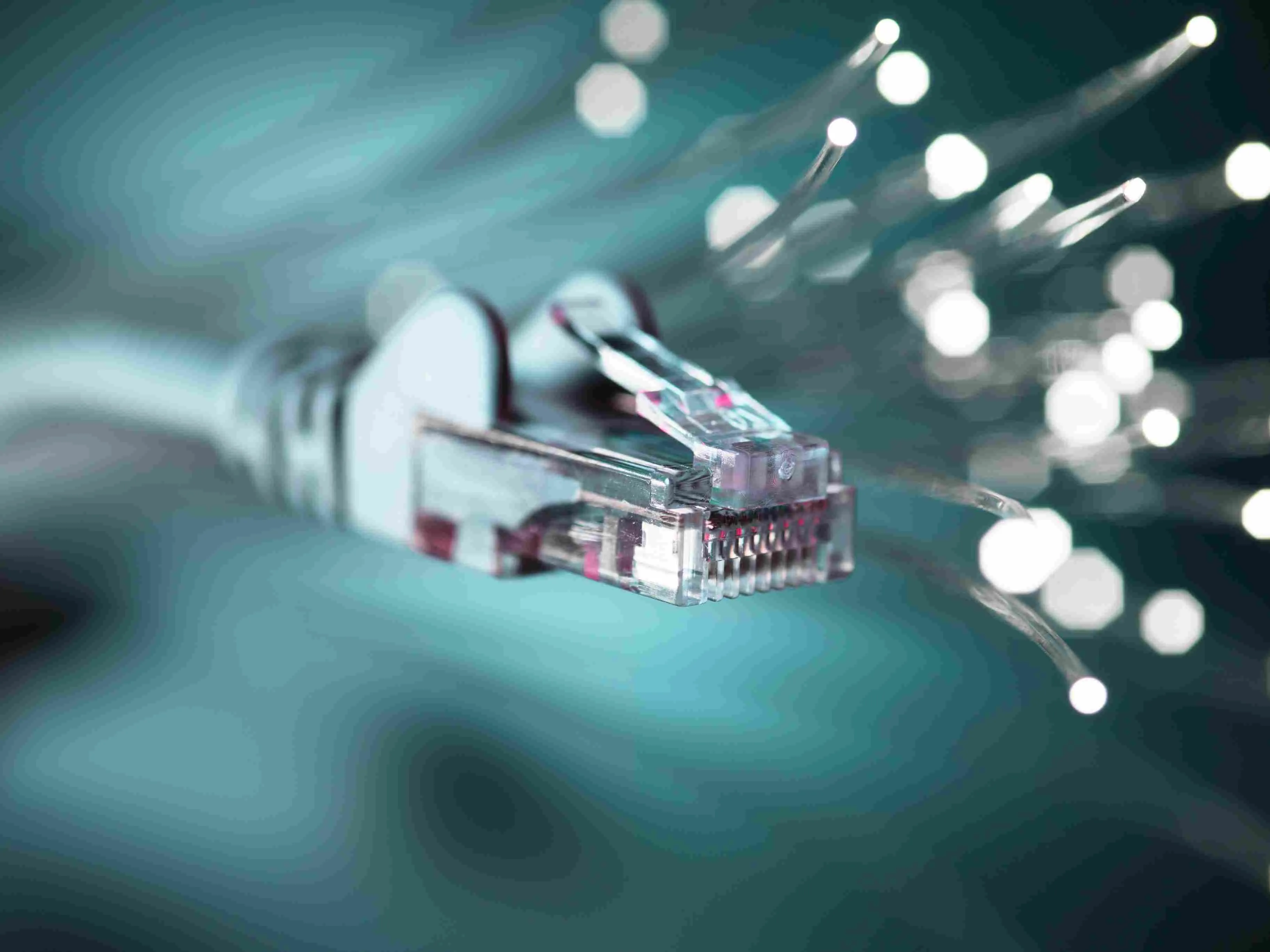

A slow or unreliable internet connection is not just an inconvenience — it is a direct cost to your business. Business fiber internet is redefining what companies expect from their connectivity, delivering speeds and stability that older technologies simply cannot match.
Understanding Business Fiber Internet
Business fiber internet uses fiber optic cables made of thin glass or plastic strands to transmit data as pulses of light. Unlike traditional copper-based connections such as DSL or coaxial cable, fiber optic technology carries data at speeds approaching the speed of light, resulting in dramatically faster and more consistent performance.
While residential fiber plans serve individual households, business fiber plans are purpose-built for commercial environments. They typically include dedicated bandwidth, symmetrical upload and download speeds, stronger service level agreements (SLAs), and priority customer support — features that matter when downtime translates directly into lost revenue.
How Business Fiber Optic Internet Works
Business fiber optic internet works by converting electronic signals into light signals, which travel through the fiber optic cable to a receiver that converts them back. This process introduces virtually no signal degradation over long distances, which is why fiber connections maintain consistent speeds whether your office is two blocks or two miles from the nearest network hub.
A key feature of business fiber is symmetrical bandwidth — meaning upload speeds match download speeds. This distinction is critical for companies that regularly upload large files, host video conferences, run VoIP phone systems, or rely on cloud-based platforms.
Business Fiber vs. Cable Internet: Key Differences
Many businesses start with cable internet service because of its wide availability. Cable uses coaxial infrastructure originally built for television, delivering solid download speeds but often limited upload performance. During peak hours, cable connections can slow significantly because bandwidth is shared among users in the same area.
Business fiber, by contrast, offers dedicated or near-dedicated bandwidth that remains stable regardless of network congestion. The comparison breaks down across four key areas. Speed consistency is stronger with fiber, which maintains performance reliably during high-traffic periods. Fiber also provides symmetrical bandwidth with equal upload and download speeds, while cable typically does not. In terms of latency, fiber runs lower, which directly improves real-time applications like video calls and VoIP. Finally, fiber infrastructure scales more easily as your bandwidth needs grow over time.
Top Benefits of Fiber Internet for Business
Faster, More Reliable Speeds
Business fiber plans routinely offer speeds from 100 Mbps up to 10 Gbps. With symmetrical upload and download performance, your team can collaborate on large files, host backups in the cloud, and stream high-definition video calls simultaneously — without noticeable slowdowns.
Improved Productivity and Uptime
Internet outages and slowdowns cost U.S. businesses billions of dollars annually in lost productivity. Business fiber optic internet typically comes with stronger uptime guarantees than residential or standard commercial broadband. Many providers offer SLAs that specify response times and compensation if service targets are missed.
Support for Modern Business Applications
Today's business environments depend on cloud-based tools — CRM platforms, project management software, video conferencing, VoIP, and real-time data analytics. All of these applications perform better over fiber internet for business because fiber handles high data volumes with low latency, reducing lag and improving user experience across the entire organization.
Scalability for Growing Companies
As your team grows, so does your bandwidth demand. Fiber networks are designed to scale efficiently. Upgrading from a 500 Mbps plan to a 1 Gbps plan, for example, is typically a straightforward process with no major infrastructure changes required.
What to Look for in a Business Fiber Internet Provider
When evaluating providers, several factors deserve close attention. The service level agreement defines guaranteed uptime and what remedies exist if those targets are missed. You should also confirm that upload and download speeds are symmetrical, especially if your team uploads large files or uses cloud backup services regularly. Understanding the difference between dedicated and shared bandwidth matters too — dedicated fiber connections reserve capacity exclusively for your business, while shared connections distribute it among multiple users. Review contract lengths, early termination fees, and whether month-to-month options are available. Finally, business-grade customer support with rapid response times is essential when connectivity issues arise during work hours.
Is Business Fiber Internet Right for Small Businesses?
A common misconception is that business fiber optic internet is only relevant for large enterprises. In reality, small and medium-sized businesses often benefit most from the upgrade. A small team of ten employees that relies on cloud software, handles remote workers, or conducts client video calls daily will notice an immediate improvement in speed and reliability after switching from a cable or DSL plan to fiber.
The cost of business fiber has also declined considerably in recent years. When you factor in the productivity gains and reduced downtime, many small businesses find that the investment pays for itself quickly.
Frequently Asked Questions
What is the difference between business fiber internet and residential fiber?
Business fiber plans include dedicated or prioritized bandwidth, symmetrical speeds, stronger SLAs, and priority support. Residential fiber is designed for home use and typically offers lower upload speeds, shared bandwidth, and no uptime guarantees.
How fast is business fiber optic internet?
Business fiber plans typically range from 100 Mbps to 10 Gbps depending on the provider and plan tier. Both upload and download speeds are usually symmetrical, making it ideal for cloud applications, video conferencing, and large file transfers.
Is business fiber internet more expensive than cable?
Business fiber generally costs more than basic cable internet plans, but the price gap has narrowed significantly. When you account for improved reliability, higher speeds, and reduced downtime costs, many businesses find fiber provides a stronger return on investment.
How long does it take to install business fiber internet?
Installation timelines vary by location and provider. If fiber infrastructure is already in your building, installation can take a few hours to a few days. For new fiber builds, the timeline may extend to several weeks depending on construction requirements.
Can business fiber internet support multiple employees simultaneously?
Yes. Business fiber is specifically designed to handle multiple concurrent users without significant speed loss. Higher-tier plans can easily support dozens or hundreds of employees depending on bandwidth allocation and usage patterns.
What industries benefit most from business fiber optic internet?
Industries that rely heavily on data transfer, cloud platforms, or real-time communication — including healthcare, finance, legal services, technology firms, and creative agencies — typically see the greatest gains from business fiber optic internet.
Conclusion
The shift to business fiber internet is not simply a technology upgrade — it is a strategic investment in your company's ability to operate efficiently, serve customers reliably, and scale without connectivity bottlenecks holding you back.
Whether you are a small business exploring your first fiber plan or a growing enterprise looking to consolidate your connectivity infrastructure, business fiber optic internet offers the speed, reliability, and scalability that today's workflows demand. Symmetrical bandwidth, low latency, and strong SLAs make it the clear choice over legacy cable or DSL connections for most commercial environments.
If you are ready to explore your options, Velox Internet offers dedicated business fiber internet service designed specifically for the needs of U.S. businesses. With competitive plans, reliable infrastructure, and business-grade support, Velox Internet is a trusted provider worth evaluating as you make the move to fiber. You can also compare their cable internet service if fiber is not yet available in your area, ensuring your business stays connected at every stage of growth.

























Sign in to leave a comment.