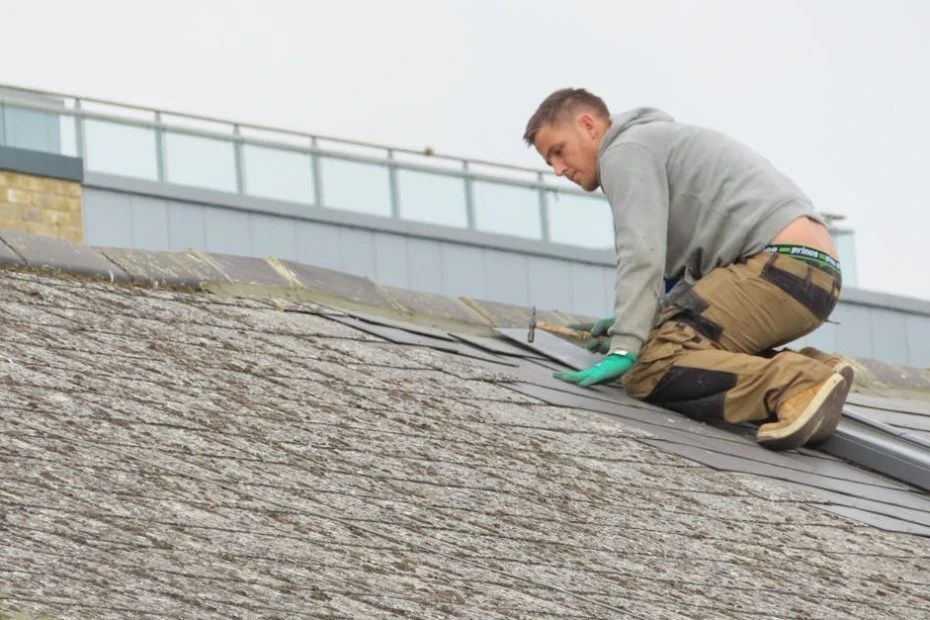

A roof is one of those things that rarely gets attention until something goes wrong. A leak during a storm, missing shingles after high winds or visible sagging along the roofline all trigger the same urgent search: who can fix this, and how quickly? The challenge is that not all roofing contractors deliver the same quality of work, and choosing the wrong one can lead to bigger problems down the line.
Knowing how to evaluate roofers near me options takes some of the guesswork out of a decision that most homeowners only make a handful of times in their lives. The right contractor will protect one of the largest investments a person owns, while the wrong one can turn a straightforward repair into a costly headache.
Why the Search for Local Roofers Matters
Roofing is inherently local. Climate, building codes, common roofing materials and even the pitch of roofs vary from region to region. A contractor who understands the specific conditions of the local area will make better recommendations and deliver work that lasts longer.
Local Knowledge and Accountability
A roofing company near me has a reputation to protect within the community. They rely on word of mouth, local reviews and repeat business. This creates a natural incentive to do good work. Fly-by-night operators who show up after a storm, offer suspiciously low bids and disappear after collecting payment are a well-documented problem in the roofing industry.
Choosing a company with a physical address, a track record in the area and verifiable references reduces the risk of falling victim to these tactics.
What to Look for in a Roofing Contractor
Not every contractor who owns a truck and a ladder is qualified to work on a roof. The roofing trade requires specific skills, knowledge of building codes and, in most jurisdictions, licensing and insurance.
Licensing and Certification
Most states and municipalities require roofing contractors to hold a valid licence. This licence confirms that the contractor has met minimum competency standards and is authorised to perform roofing work in the area. Asking to see a current licence is a reasonable first step when evaluating roofing contractors near me.
Some manufacturers also offer certification programmes for contractors. A manufacturer-certified installer has been trained on specific products and installation techniques, which often comes with the added benefit of extended warranties on materials.
Insurance Coverage
Roofing is dangerous work. Falls, tool injuries and property damage can all occur on a job site. A reputable contractor carries both general liability insurance and workers’ compensation coverage. General liability protects the homeowner if the contractor damages the property during the work. Workers’ compensation covers the contractor’s employees if they are injured on site.
Without these policies in place, the homeowner could be held liable for injuries or damage that occur on their property. Always ask for a certificate of insurance before work begins.
Understanding Roofing Estimates
A roofing estimate should be detailed enough to give the homeowner a clear picture of what the job involves and what it will cost. Vague estimates that list a single lump sum without breaking down materials, labour and other costs should be treated with caution.
What a Good Estimate Includes
A thorough estimate will cover the scope of work, the materials to be used (including brand and grade), the labour cost, the estimated timeline, the payment schedule and the warranty terms. It should also note any potential additional costs that might arise, such as decking replacement if rot is found under the existing shingles.
Getting at least three estimates from different contractors provides a basis for comparison. The lowest bid is not always the best choice, especially if it leaves out line items that the other estimates include.
Red Flags in Estimates
Be wary of contractors who demand full payment upfront, refuse to provide a written estimate or pressure the homeowner into signing immediately. A deposit of 10% to 30% is standard practice, with the balance due upon completion. Any request for more than half the total upfront is a warning sign.
The Importance of Roof Repair Near Me Promptness
When a roof develops a problem, time is not on the homeowner’s side. A small leak can cause significant water damage to ceilings, walls, insulation and electrical systems within days. What starts as a minor repair can quickly escalate into a major renovation if the underlying issue is not addressed promptly.
Seasonal Considerations
Roofing work is weather-dependent. In regions with harsh winters, repairs and replacements are typically scheduled during the warmer months when conditions allow for proper installation. Scheduling work in advance of the busy season, typically late spring through early autumn, gives homeowners more options and better pricing.
Emergency repairs are a different story. Reputable local contractors offer emergency services for storm damage and sudden leaks. Having a trusted roofer identified before an emergency occurs means not having to make rushed decisions under pressure.
Types of Roofing Work
Not every roofing job is the same. Understanding the different types of work helps homeowners communicate clearly with contractors and evaluate whether the proposed solution matches the problem.
Repairs
Repairs address specific issues such as missing or damaged shingles, flashing failures around chimneys and vents, and small leaks. Repairs are appropriate when the overall roof structure is sound and the damage is localised.
Replacements
A full replacement involves stripping the existing roofing material down to the decking and installing a completely new roof. This is necessary when the roof has reached the end of its useful life, when damage is widespread or when building codes require it. Most asphalt shingle roofs last between 20 and 30 years, depending on climate and maintenance.
Maintenance
Regular maintenance extends the life of a roof and catches small problems before they grow. This includes cleaning gutters, removing debris, inspecting flashing and seals, and checking for signs of wear. Many roofing companies offer annual maintenance programmes that keep roofs in good condition between major jobs.
Material Options for Roof Replacements
The choice of roofing material affects the appearance, durability, energy efficiency and cost of the project. Each material has strengths and limitations.
Asphalt Shingles
The most popular roofing material in North America, asphalt shingles offer a good balance of cost, appearance and durability. They are available in a wide range of colours and styles, including architectural shingles that mimic the look of wood or slate.
Metal Roofing
Metal roofs are gaining popularity due to their longevity, energy efficiency and resistance to wind and hail. Standing seam metal panels and metal shingles are both options, with lifespans that can exceed 50 years with minimal maintenance.
Tile and Slate
Clay tile and natural slate are premium materials that offer exceptional durability and a distinctive appearance. They are heavier than other options and require a roof structure that can support the additional weight. The cost is significantly higher, but the lifespan can reach 100 years or more.
Flat Roofing Systems
For commercial buildings and some modern residential designs, flat or low-slope roofing systems use materials like TPO, EPDM or modified bitumen. These materials are designed to handle water pooling and require different installation techniques compared to sloped roofs.
How to Vet Online Reviews
Online reviews are a useful starting point, but they should be read with a critical eye. A mix of positive reviews with specific details about the work performed, the timeline and the communication is a good sign. A company with nothing but five-star reviews and no detail may have curated their feedback.
Where to Check
Google reviews, the Better Business Bureau, Angi and local trade association directories are all reasonable sources. Cross-referencing reviews across multiple platforms gives a more complete picture.
Look for patterns. If multiple reviewers mention the same issue, such as poor cleanup, delayed timelines or unexpected costs, that feedback is worth taking seriously.
Questions to Ask Before Hiring
Having a checklist of questions ready for the initial conversation with a contractor streamlines the process and makes comparison easier.
Key questions include: How long have you been operating in this area? Can you provide recent local references? What manufacturer certifications do you hold? What does your warranty cover, and for how long? Who will be supervising the work on site? Do you use subcontractors? What happens if the project runs over the estimated timeline?
Making the Final Decision
After gathering estimates, checking references and reviewing credentials, the decision often comes down to trust. The right contractor is someone who communicates clearly, answers questions without hesitation, provides a detailed written agreement and has a track record of delivering quality work in the local area.
A roof is a long-term investment. Spending a little extra time on the selection process upfront pays dividends in the form of better workmanship, stronger warranties and peace of mind that the job was done right.































Sign in to leave a comment.