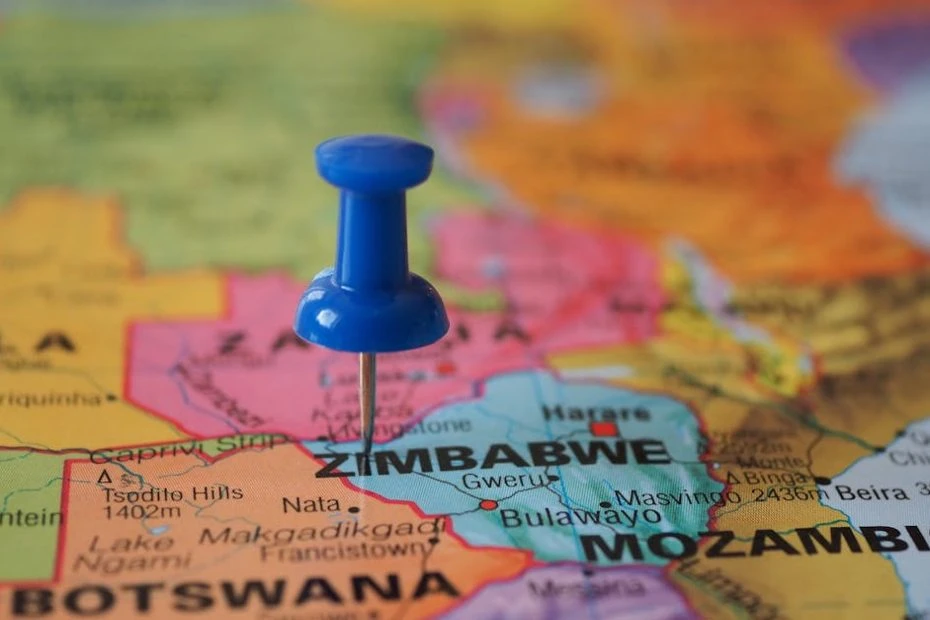

The east coast of Africa holds a stretch of coastline that many seasoned travellers consider one of the last unspoiled beach destinations on the planet. Mozambique, with its 2,500 kilometres of Indian Ocean shoreline, offers something increasingly rare in the age of mass tourism: genuine remoteness, crystal-clear water and marine ecosystems that have not been loved to death by over-tourism.
While destinations like the Maldives and Seychelles have long dominated the luxury island market, Mozambique has quietly built a collection of properties that rival the best in the world. The difference is space. Where other island resorts pack guests in rows along a manicured beach, Mozambique’s top properties offer the kind of privacy and exclusivity that makes a holiday feel like a genuine escape rather than a change of scenery.
The Coastline That Changed Everything
Mozambique’s coastline stretches from the Tanzanian border in the north to the South African border in the south. The northern section, including the Quirimbas Archipelago and the waters around the Bazaruto Archipelago further south, hosts the most concentrated collection of luxury properties.
What Makes the Water Special
The warm Mozambique Channel current creates water temperatures that hover between 24 and 29 degrees Celsius year-round. Visibility regularly exceeds 20 metres, and the coral reefs along the coast support an extraordinary diversity of marine life. Whale sharks, manta rays, humpback whales (in season), sea turtles and hundreds of species of reef fish make these waters a magnet for divers and snorkellers.
Unlike many popular reef systems around the world, Mozambique’s reefs have experienced relatively little bleaching damage. The remoteness of many reef sites means they receive far less human traffic than comparable systems in Southeast Asia or the Caribbean, which has helped preserve their health and colour.
Where to Stay Along the Mozambique Coast
The range of accommodation options has expanded significantly over the past decade. From barefoot beach lodges to ultra-luxury private island retreats, the country caters to different tastes and budgets within the premium market.
The Bazaruto Archipelago
The Bazaruto Archipelago, a chain of five islands off the southern coast, is a national marine park and one of Mozambique’s most established tourism areas. The islands feature towering sand dunes, turquoise lagoons and some of the best deep-sea fishing in the Indian Ocean.
Mozambique beach resorts in the Bazaruto area range from all-inclusive luxury lodges to more intimate boutique properties. Most offer diving, snorkelling, dhow sailing, island hopping and horse riding along empty beaches as standard activities.
The Quirimbas Archipelago
Further north, the Quirimbas Archipelago is a string of 32 islands stretching along the coast of Cabo Delgado province. Several of these islands host small, exclusive lodges that operate with a strong conservation focus. The combination of pristine marine environments and very low visitor numbers creates an experience that feels genuinely private.
The Private Island Experience
For travellers seeking the highest level of exclusivity, Mozambique’s private island properties deliver an experience that is difficult to match anywhere in the world.
Quilalea Private Island Mozambique is one such property. Situated within the Quirimbas Archipelago, the island accommodates only a handful of guests at any given time. The surrounding waters are a marine sanctuary, and the coral reefs directly offshore are accessible by simply walking off the beach and into the water.
What Private Island Stays Offer
The appeal of a private island goes beyond bragging rights. With so few guests sharing the space, every experience feels personal. Meals can be served on the beach, on a sandbank, in a forest clearing or in the privacy of the villa. Dive guides adjust their schedules to guest preferences rather than running fixed group departures.
The level of attention extends to the marine activities as well. Guests can spend an entire morning exploring a single reef system without encountering another group, or they can take a dhow to a neighbouring island for a castaway picnic with nothing but the sound of the ocean and the rustle of palm fronds.
Choosing Among the Best Hotels in Mozambique
What constitutes “the best” depends on what the traveller values most. Some properties prioritise architectural design and high-end amenities. Others focus on raw natural beauty and simplicity. A few manage to combine both.
Factors Worth Considering
When comparing properties, think about the following: how many rooms does the property have? Smaller properties generally mean fewer guests and more personalised service. What is the marine life like directly offshore? Some locations require a boat trip to reach good snorkelling or diving, while others have house reefs within swimming distance.
Access is another consideration. Some of Mozambique’s most remote properties require a light aircraft transfer from the nearest major airport. While this adds to the cost, the flight itself often provides stunning aerial views of the archipelagos and coastline.
The Role of Seasonality
Mozambique’s dry season runs from May to November, with June through September considered the peak period for whale sightings, pleasant temperatures and calm seas. The wet season from December to March brings warmer temperatures, occasional afternoon thunderstorms and lush green landscapes. Diving conditions remain good year-round, though visibility peaks during the dry season.
Activities Beyond the Beach
While the beaches and ocean are the main draw, Mozambique offers experiences that extend well beyond lying on the sand.
Diving and Snorkelling
The diving in Mozambique ranges from shallow coral gardens suitable for beginners to deep wall dives and drift dives for experienced divers. Manta ray cleaning stations, whale shark aggregation sites and coral-encrusted shipwrecks add variety to the dive options. Many lodges have PADI-certified dive centres on site and offer courses for guests who want to earn their certification during their stay.
Cultural Encounters
The coastal communities of Mozambique have a rich cultural heritage shaped by centuries of Arab, Portuguese and African influences. Visits to local markets, fishing villages and historical sites like Ibo Island, with its colonial-era fortresses and silversmith workshops, provide a window into a way of life that has remained largely unchanged for generations.
Deep-Sea Fishing
The Mozambique Channel is one of the top big game fishing destinations in the world. Marlin, sailfish, tuna, wahoo and giant trevally are all regular catches. Most luxury lodges offer catch-and-release fishing as the default practice, with the option to keep a fish for the kitchen to prepare for dinner.
Getting to Mozambique
Access to Mozambique has improved steadily, with direct flights from Johannesburg to Maputo, Vilanculos and several northern airfields. From South Africa, the flight time to Vilanculos (the gateway to the Bazaruto Archipelago) is under two hours. Connections to the Quirimbas are typically via Pemba, with light aircraft transfers to the islands.
Visa Requirements
Most nationalities can obtain a visa on arrival or through an e-visa system. Requirements and processes change periodically, so checking the latest information before booking is advisable.
Health Considerations
Mozambique is a malaria zone, and prophylaxis is recommended. Many of the island properties are located in areas with lower mosquito populations due to sea breezes, but precautions should still be taken. Travel insurance that covers medical evacuation is strongly recommended.
Why Mozambique Luxury Resorts Are Worth the Trip
The combination of unspoiled natural beauty, warm water, exceptional marine life and genuinely exclusive accommodation makes Mozambique a destination that punches well above its weight in the luxury travel market. It offers the kind of experience that the Maldives provided 20 years ago, before mass tourism transformed many of its atolls.
For travellers who value authenticity over Instagram polish, space over crowds and natural beauty over manufactured luxury, Mozambique sits in a category of its own. The country’s tourism infrastructure continues to develop, but for now, it retains the raw, untouched quality that makes a destination feel truly special.
The Window of Opportunity
As more travellers become aware of what Mozambique offers, the destination’s character will inevitably shift. The properties that are operating now, with their small footprints and conservation-focused approaches, represent the best of what responsible luxury travel can look like. Visiting while the destination remains relatively under the radar means experiencing it at its most authentic.


























Sign in to leave a comment.