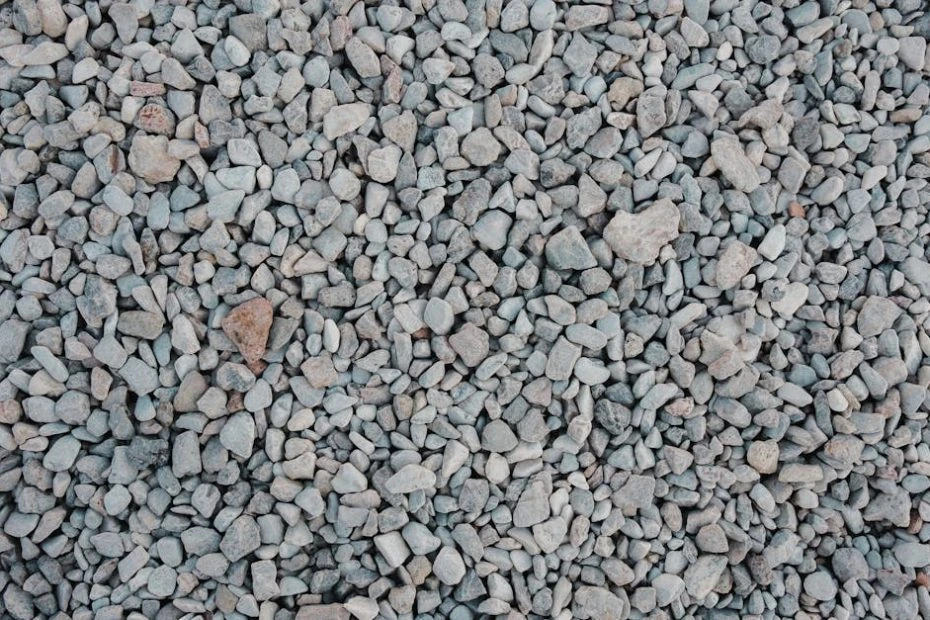

Every construction project creates waste. Broken concrete, old brickwork, rocky soil, and leftover building materials pile up fast. Most people assume this rubble goes straight to a landfill. In reality, much of it can be turned into usable aggregate right there on the job site, saving time, money, and trips to the dump.
The process of turning construction waste into reusable material relies on heavy machinery that breaks down large pieces and sorts them by size. This is where crusher and screener hire becomes a practical option for contractors and developers who need aggregate but do not want to buy it from a quarry.
What Construction Aggregate Actually Is
Aggregate is a broad term for granular materials like gravel, sand, and crushed stone. It forms the base layer of roads, gets mixed into concrete, fills trenches, and supports drainage systems. Without it, most construction work would not be possible.
Buying aggregate from a supplier works fine for small jobs, but large projects burn through tonnes of it. Transport costs add up quickly when trucks are hauling material back and forth across the city. If the raw material already exists on site in the form of demolition rubble, processing it locally makes far more sense.
How On-Site Crushing Works
A mobile crusher takes large chunks of concrete, rock, or brick and breaks them into smaller, uniform pieces. Jaw crushers handle the initial breaking, reducing big slabs into rough chunks. Impact crushers then refine those chunks into finer material that can be used as sub-base or fill.
The beauty of crushing and screening plant hire is that the equipment comes to you. There is no need to build permanent infrastructure or invest in machinery that will sit idle after the project wraps up. A hired unit arrives on a flatbed, gets set up in a day, and starts processing material immediately.
The Role of Screening in Material Quality
Crushing alone is not enough. Raw crushed material contains a mix of sizes, from fine dust to larger pieces. For the aggregate to be useful, it needs to be sorted. Screening equipment uses vibrating mesh decks to separate material into different size fractions.
A typical screening plant hire setup will produce two or three grades of material in a single pass. Finer material drops through the top deck, medium pieces fall through the second, and oversized chunks roll off the end for re-crushing. This grading process is what turns a random pile of rubble into material that meets engineering specifications.
Why Mobile Equipment Beats Fixed Installations
Fixed crushing and screening plants are common at quarries, but they are expensive to install and completely impractical for temporary construction sites. Mobile units offer the same processing power without the permanent footprint.
A mobile crushing plant hire arrangement gives contractors flexibility. The equipment can be repositioned around the site as work progresses. When one section is cleared, the crusher moves to the next stockpile. This reduces the need for loaders to haul rubble across the site before it can be processed.
Cost Savings That Add Up Fast
The financial argument for on-site aggregate production is straightforward. Buying crushed stone from a quarry costs money per tonne, plus delivery fees. Disposing of demolition waste at a landfill also costs money per tonne, plus transport. On-site crushing eliminates both expenses at once.
For a medium-sized demolition or earthworks project, the savings from mobile screener hire can be significant. Instead of paying to dump rubble and then paying again to buy aggregate, contractors process their own waste into the exact material they need. The only cost is the equipment hire, which often pays for itself within the first week.
Common Applications for Recycled Aggregate
Recycled aggregate from on-site crushing serves many purposes. Road sub-base is one of the most common uses. Crushed concrete compacts well and provides a stable foundation for tar or paving. Pipe bedding, backfill for retaining walls, and temporary access roads are other frequent applications.
When contractors use a mobile screening plant hire service alongside a crusher, they can produce material fine enough for landscaping or coarse enough for gabion baskets. The versatility of the output depends on the screening setup and how many passes the material goes through.
Environmental Benefits of Recycling Rubble
Sending construction waste to landfill is wasteful in every sense. It uses up landfill space, increases truck traffic, and throws away material that still has structural value. Recycling rubble on site reduces the environmental impact of a project considerably.
Local regulations in many areas now encourage or require construction waste recycling. Having access to crushing plant hire makes compliance easier and demonstrates responsible waste management to clients and regulatory bodies.
What to Consider Before Hiring Equipment
Not every site is suitable for on-site crushing. Space is the first consideration. A mobile crusher and screener need room to operate, plus space for stockpiles of raw and processed material. Noise is another factor, especially on sites near residential areas.
The type of material matters too. Clean concrete crushes easily and produces high-quality aggregate. Mixed rubble with steel, wood, or plastic requires pre-sorting before it goes through the crusher. A screening plant rental provider can advise on what preparation is needed based on the waste composition.
Matching Equipment to the Job
Crushers and screeners come in different sizes and configurations. A small demolition job might only need a compact jaw crusher and a single-deck screen. A large infrastructure project could require a full train of equipment: primary crusher, secondary crusher, and multi-deck screening plant.
The right crusher and screener hire package depends on the volume of material, the required output size, and how quickly the aggregate is needed. Experienced hire companies assess the project scope and recommend the best setup, so contractors do not end up with equipment that is too small or too large for the job.
Making the Most of What You Have
Construction sites are full of material that most people see as waste. With the right equipment, that waste becomes a resource. Rubble turns into road base. Old concrete becomes pipe bedding. Rocky soil transforms into drainage fill.
On-site aggregate production is not a new idea, but it has become more accessible as mobile equipment has improved. Contractors who take advantage of these services reduce costs, speed up timelines, and keep more material out of landfills. For any project that generates significant demolition waste, processing it on site is often the smartest decision available.
































Sign in to leave a comment.