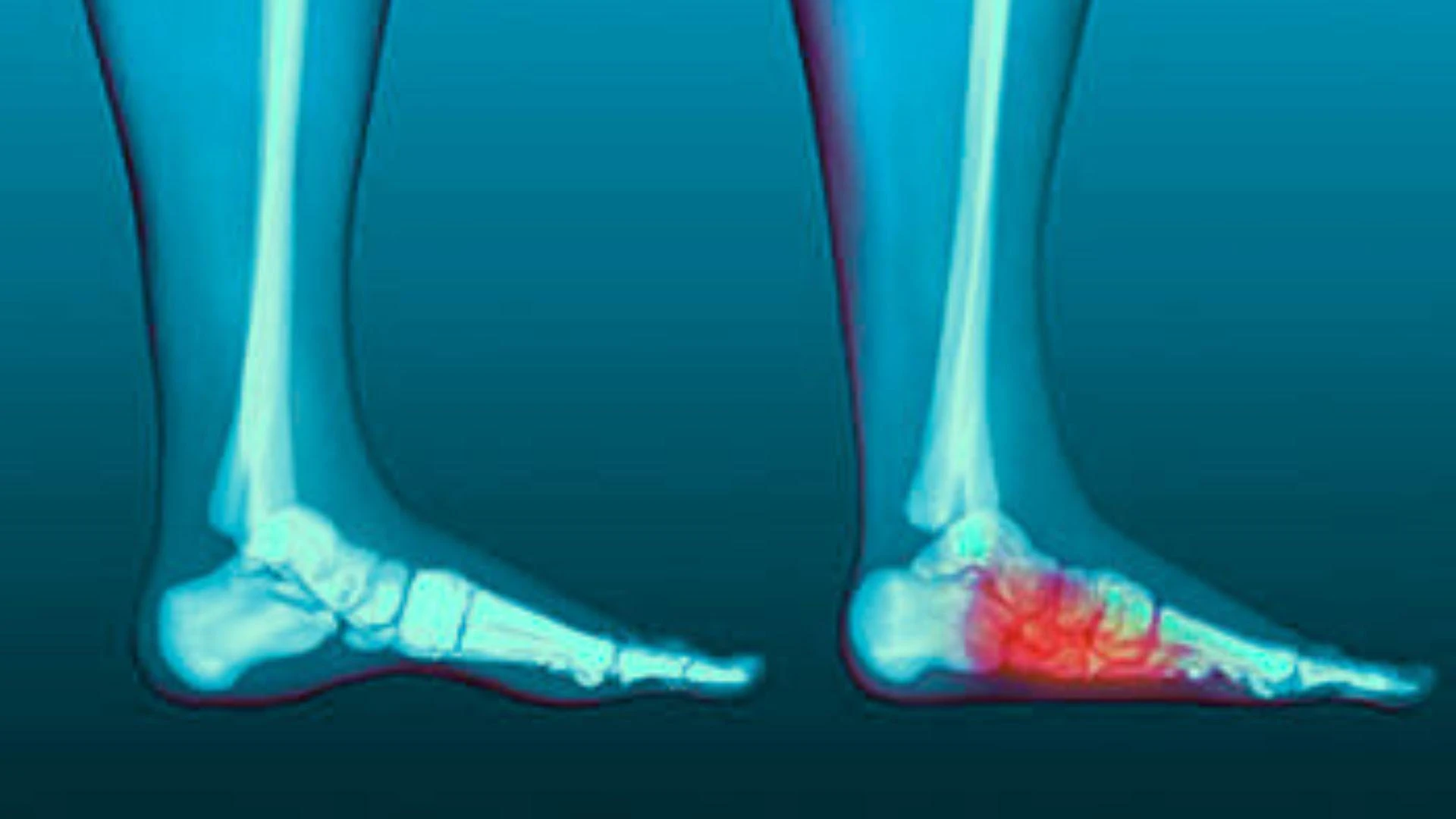

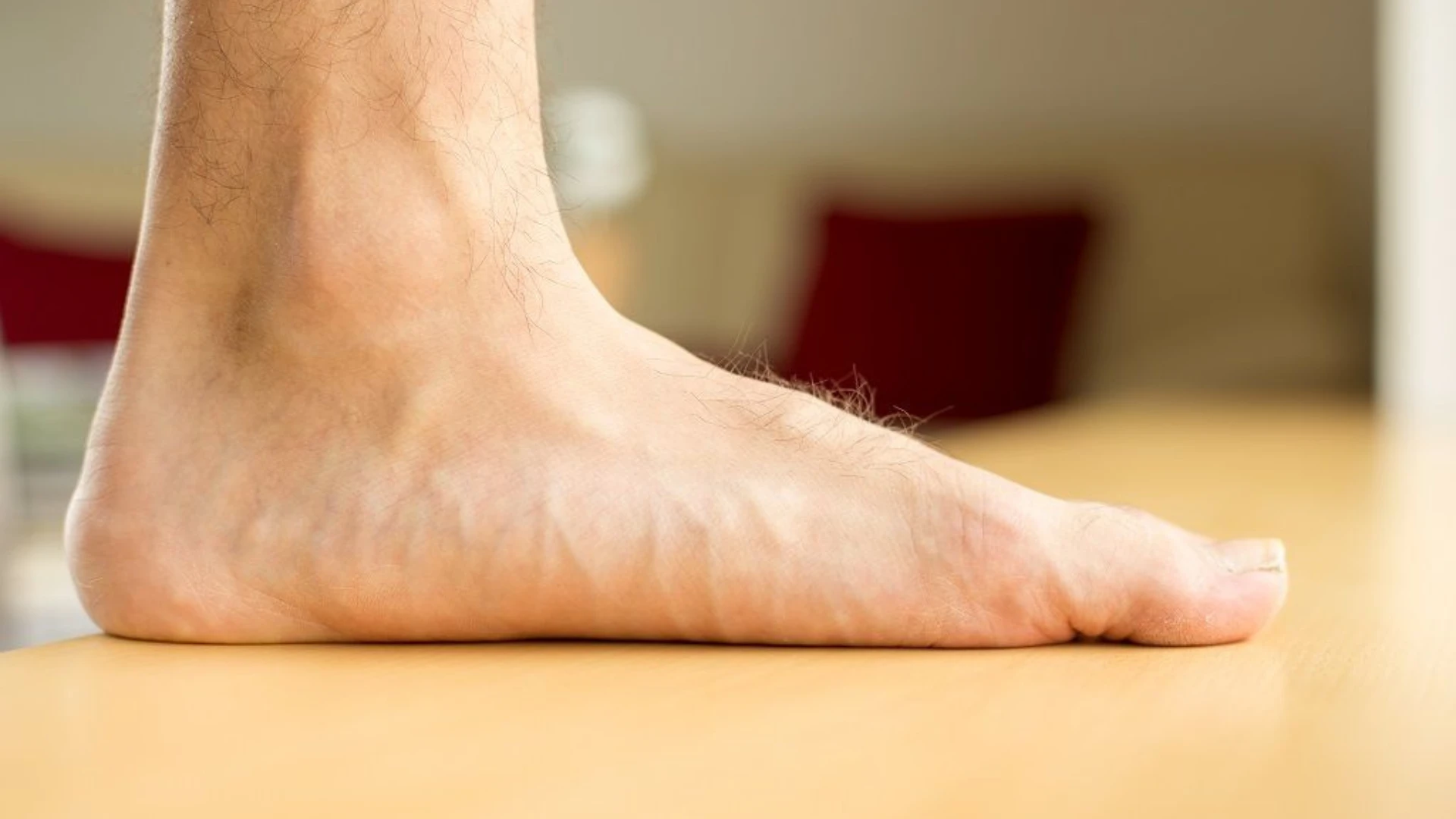
Flat-footedness, also called fallen arches, is a common condition that happens when an individual’s feet lose the arch formation. Flat-footedness can affect children as well as adults. If left untreated, this condition can result in discomfort, pain, and difficulty moving. The good news is that understanding the available treatment options for flat feet and knowing when to consult a medical professional can help you avoid developing complications due to flat feet and allow you to be comfortable in your daily activities.
There are two types of flat feet people can have, flexible (arches are formed when sitting but flattened when standing) and rigid (no arches are formed). While some individuals with flat feet may have zero physical limitations, other people will have foot pain, an unstable ankle, or poor posture because of flat-footedness.

Common Causes of Flat Feet
Many things can cause flat feet, including:
- Genetic (congenital) foot structure.
- Weak or damaged (broken), especially posterior tibial, tendons.
- Aging and wear-and-tearing of the ligaments in the foot.
- Being very overweight or putting excessive stress on the feet.
- Diabetes and nerve damage.
- Previous injuries, such as broken bones or torn ligaments.
Patients with diabetes should pay extra attention to the health of their feet; they are at a higher risk for not noticing any injuries and possible infections to their feet because of the reduced sense of feeling in the bottom of the foot. Regular diabetic foot exams in Houston can help reduce the risk of ulcers and complications from flat feet.
Symptoms That Should Not Be Ignored
People have flat feet that can cause issues in more than one way; some symptoms are minor but others are serious. The most common symptoms include:
- Pain in the arch, heel, or ankle
- Swelling on the inside of the ankle
- Foot fatigue after standing or walking
- Pain in your knees, hips, or lower back
- Unevenly worn shoes
- Inability to stand on your tiptoes
If you have persistent symptoms, see a professional for evaluation so as to prevent the development of conditions such as plantar fasciitis and arthritis.
Flat Feet Treatment Options
Treatment may vary based on how severe the symptoms are, your lifestyle, and the underlying cause of your flat feet. Most people with flat feet can successfully treat it through non-invasive methods.
1. Supportive Footwear and Orthotics
Custom-made orthotics are designed to support the arch in the foot. Wearing a good pair of shoes with a stiff sole and support for the arch can decrease the amount of stress on the muscles and ligaments in your feet. This offers one solution that is effective for long-term release.
2. Physical Therapy and Exercises
Specific stretching and strengthening exercises can improve foot stability (function). Some common stretching and strengthening exercises used to increase foot stability (function) include:
- Raising heels
- Lifting arches
- Curls with toes
- Stretching calfs
Physical therapy is effective in decreasing pain as well as improving balance and walking posture.
3. Pain Management and Anti-Inflammatory Care
Non-Steroidal Anti-inflammatory drugs (NSAIDs), icing, and rest can help decrease swelling and pain. NSAIDs and/or icing are much more effective when working with orthotics or in conjunction with physical therapy.
4. Weight Management and Activity Modification
Maintaining a healthy weight will relieve stress on the joints of the feet. By participating in low-impact activities such as swimming and cycling, patients can stay active without increasing the chance of injury from repetitive use.
5. Advanced Medical Treatments
In certain cases, there may be a need for more advanced medical treatment than normal. For example, if patients are suffering from an infection or wound due to pressure points on their feet, then they will likely need to see a wound care specialist in Cypress to be treated and monitored appropriately. Another example would be for those who have developed fungal toenail infections due to foot deformities. These individuals would benefit from using laser treatment for toenail fungus in Houston since it provides a safe and effective way to treat the infection without having to deal with any of the side effects associated with medications that would typically be required for treatment.
6. Surgical Treatment (When Necessary)
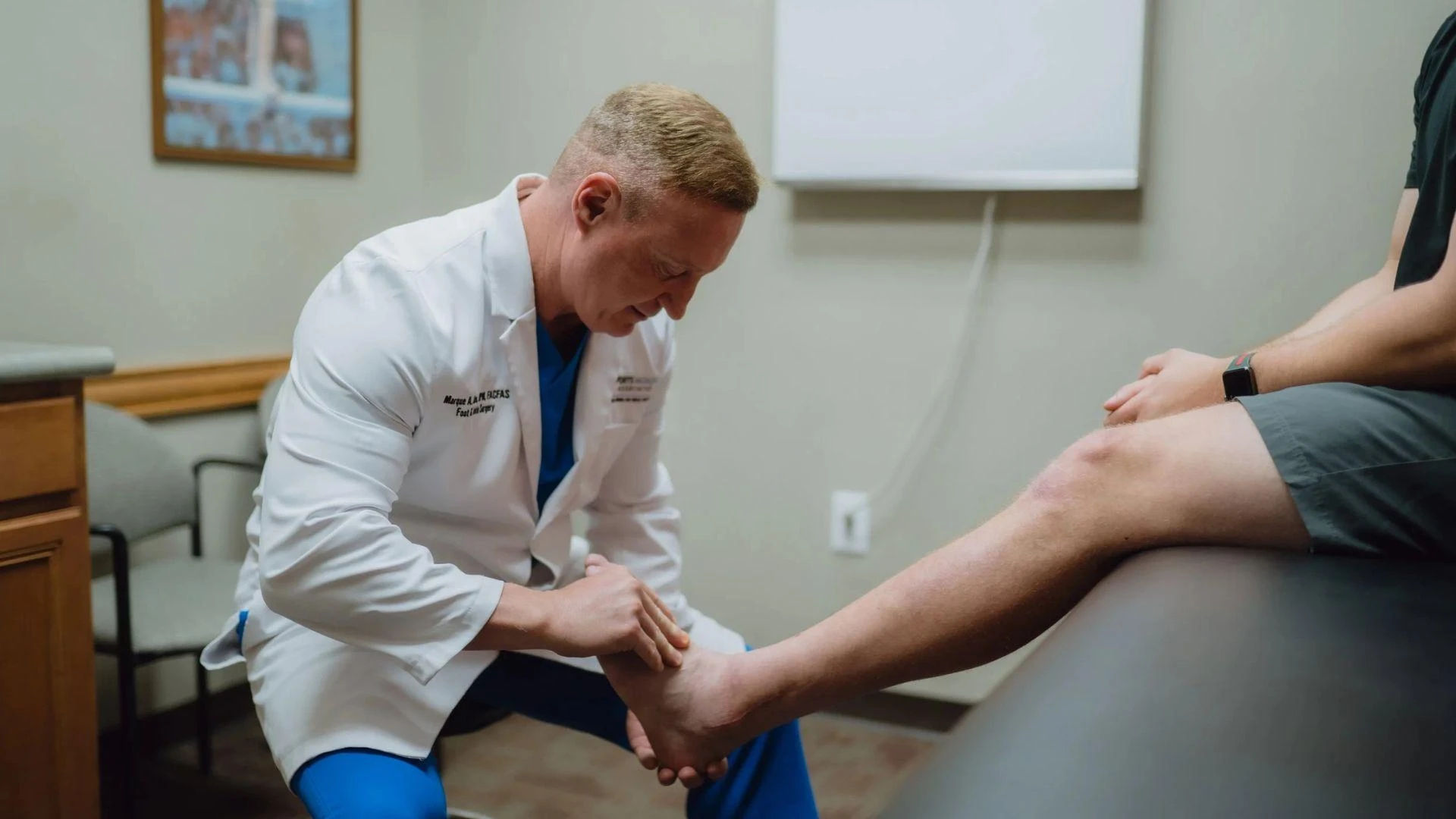
Surgical treatment is only used if non-surgical methods have failed to deliver the desired outcome. Depending on individual circumstances, surgery may involve repairing tendons, realigning bones, or reconstructing an arch in the foot. A podiatrist will determine the best course of action after reviewing imaging studies and completing a physical exam.
When to See a Specialist
Here are some signs that you might need to see an orthopedic (foot/ankle) doctor:
- If pain prevents you from being able to do your daily activities
- If your symptoms get worse despite doing care at home
- If you have diabetes or circulation issues
- If you can see any changes to your foot shape
- If you find any sores, wounds or infection on your feet
Regular evaluations of your feet and lower legs, such as the diabetic foot exam in Houston, can help identify early signs of complications and to help reduce the risk of developing serious conditions such as ulcers and/or permanent nerve damage.
If your child has flat feet and is older than age six, they should also be evaluated to check for any structural abnormalities.
Preventing Flat Feet Complications
Complications associated with flat feet can be avoided by taking precautions. Such precautions include:
- Good footwear (supportive shoes)
- Not walking barefoot for extended periods of time on hard surfaces
- Checking the feet daily for any cuts or signs of redness
- Keeping the feet clean and dry
- Routine appointments with a foot doctor (podiatrist)
Patients with diabetes need to be particularly cautious because minor problems may worsen quickly without the appropriate treatment.
Conclusion
Flat footedness (flat feet) is common and can usually be managed with proper care and lifestyle changes. Understanding available flat feet treatment options helps patients take control of their condition and reduce future complications. Modern podiatry provides solutions at every stage, including orthotics, exercises, advanced therapies, and specialist care. DeNiel Foot & Ankle Center is committed to early diagnosis and professional evaluation to help patients maintain comfort, mobility, and long-term foot health.
FAQs
1. Is it possible to cure a flat foot without an operation?
Yes, in the majority of instances, treatment via an orthotic device, therapy, exercise, and wearing shoes made specifically for your needs can provide positive results. Surgery to remedy your flat foot will be considered only if all conservative options are unsuccessful.
2. Is having a flat foot harmful to persons with diabetes?
A flat foot creates additional areas of pressure, which can create wounds and infections. Regular foot examinations in individuals with diabetes and prompt treatment of any issue will help decrease the likelihood of complications from a flat foot.
3. How can I determine if I should see a doctor about my flat foot?
If you experience ongoing discomfort, swelling, issues with walking, and/or have developed wounds or infections, then you should see a podiatrist for an appropriate evaluation of your flat foot.


























Sign in to leave a comment.