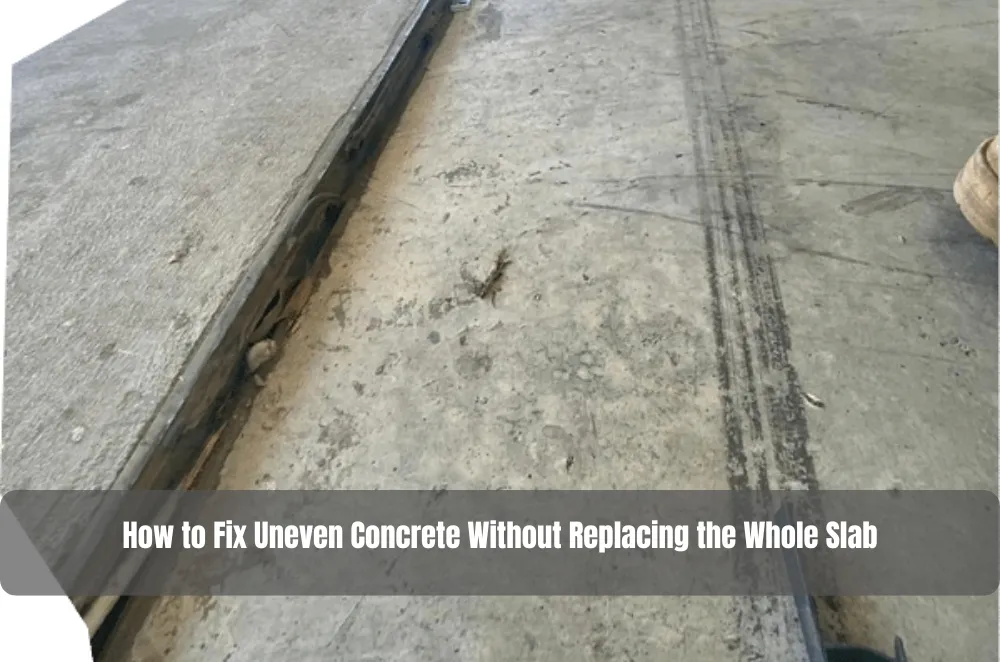

In Sydney, it often shows up first as a small lip at a driveway joint, a path that holds water, or a garage threshold that starts catching tyres—exactly why slab jacking in Australia has become a practical option people look into before committing to full demolition.
Replacement can be the right call, but it’s not automatically the best one.
A good decision comes from understanding what moved, what’s driving it, and what you need the surface to do next.
Why slabs drop around Sydney
Most slab issues are about the ground and water, not “bad concrete”.
Common contributors include clay soil moisture changes, poor drainage, washout from downpipes or irrigation, uneven base compaction, and settlement over service trenches.
Tree roots can lift edges, while landscaping changes can alter how water sits against the slab.
If the underlying cause is still active, almost any repair becomes repeat maintenance.
Three realistic repair paths
Patch and make safe (surface-focused)
Grinding a lip, patching spalls, filling cracks, or adding a small ramp can reduce trip risk quickly.
This suits minor height differences where the slab is stable and the main goal is immediate safety.
It won’t stop ongoing movement.
Lift and re-level the existing slab (slab lifting / slab jacking)
This approach aims to restore support under the slab and bring it back toward level without full demolition.
It’s often considered when the slab is mostly intact, access is tight, or downtime matters (driveways, entries, small commercial thresholds).
The trade-off is that lifting works best when paired with fixing the “why” (especially drainage), and expectations should be about safe function, not perfection.
Remove and replace
Replacement makes sense when the slab is badly broken into multiple sections, has major heave, or the base conditions are too compromised for a durable lift.
It also fits when you need redesign—changing falls for drainage, thickness, or reinforcement.
It’s usually the most disruptive option.
Decision factors that actually matter
Start by separating symptoms (cracks, lips) from drivers (washout, compaction, soil movement).
Movement and whether it’s active: Measure the worst lip, mark it, and re-check after rain or irrigation cycles.
Likely cause: Follow the water—downpipes, pooling, blocked pits, garden beds holding moisture against slab edges, or erosion paths underneath.
Performance needs: A garden path, a driveway, and a loading threshold have different tolerances, so define what “good” looks like (safe, drains correctly, stable).
Constraints: Access, noise limits, tenant impact, strata approvals, and site layout often decide what’s practical.
Comparability of quotes: Ask each provider to explain cause, method, and what they’ll do to prevent recurrence, not just the repair they sell.
If you want a tidy way to capture measurements, photos, and access constraints before speaking with a contractor, the Raise & Relevel site assessment checklist can help organise the basics.
Common mistakes that make things worse
The biggest mistake is fixing the crack and ignoring the water.
Other frequent missteps include grinding too aggressively (creating a thin edge that chips), doing “spot patches” without a plan, assuming new concrete automatically solves base problems, and treating an issue near structural edges as purely cosmetic.
If the slab movement is near the house edge, retaining walls, or supporting elements, consider qualified advice before committing to a quick fix.
Operator Experience Moment
The cleanest outcomes usually come from one unglamorous step: walking the site like water does, not like people do.
When you can point to the likely driver—downpipe discharge, pooling, a trench line—repairs become simpler to scope and far easier to compare.
Practical Opinions (exactly 3 lines)
Prioritise safety and drainage first, because they influence every repair choice.
If movement seems active, spend more effort finding the cause than picking the method.
Choose the option that fits site constraints, not the one that sounds easiest.
A simple 7–14 day first-actions plan
Days 1–2: Photograph the area (wide + close), measure the worst lip, and note when it changes.
Days 3–5: Check drainage during rain—downpipes, pooling, blocked pits, and erosion along slab edges.
Days 6–8: Reduce obvious contributors (redirect discharge, clear drains, adjust irrigation away from slab edges).
Days 9–14: Get quotes that address cause + method + prevention, and ask what outcome is realistic (safe and functional vs “perfectly level”).
Small early actions can prevent a minor settlement issue becoming a recurring hazard.
Local SMB Mini-Walkthrough (Sydney, NSW)
A small warehouse in Sydney notices a growing lip at the roller-door threshold.
Forklifts start bumping and water tracks inside during heavy rain.
They document the height change and find a downpipe soaking the driveway edge.
The worst dip aligns with an old service trench backfill.
They redirect discharge, clear a nearby pit, then compare repair options based on downtime and access.
They choose the path that restores safe falls at the entry without extended demolition.
Key Takeaways
- Uneven slabs are often driven by drainage, washout, compaction gaps, or soil moisture swings.
- Patch, lift, and replace can all be correct—choose based on cause, movement activity, and constraints.
- Fixing water management improves durability no matter which repair method you use.
- Better documentation leads to better quotes and fewer surprises.
Common questions we get from Aussie business owners
Is grinding the lip enough for compliance and safety?
Usually… grinding reduces trip risk fast, but it won’t stop ongoing settlement and can create a fragile edge if overdone.
A practical next step is to measure the lip and check it again after rain, which is a common trigger in Sydney sites.
How do we tell if lifting is suitable or if replacement is smarter?
It depends… on slab condition (how broken it is), access, and whether the base driver can be corrected.
A practical next step is to photograph cracking patterns and drainage points, then ask each contractor to explain why their method addresses recurrence for that location in NSW conditions.
Will the slab move again after it’s repaired?
In most cases… recurrence is linked to water still getting under the slab or the original cause staying active.
A practical next step is to fix downpipe discharge and pooling points first, which is particularly relevant for Sydney properties with tight drainage paths and garden beds against hardstand.
























Sign in to leave a comment.