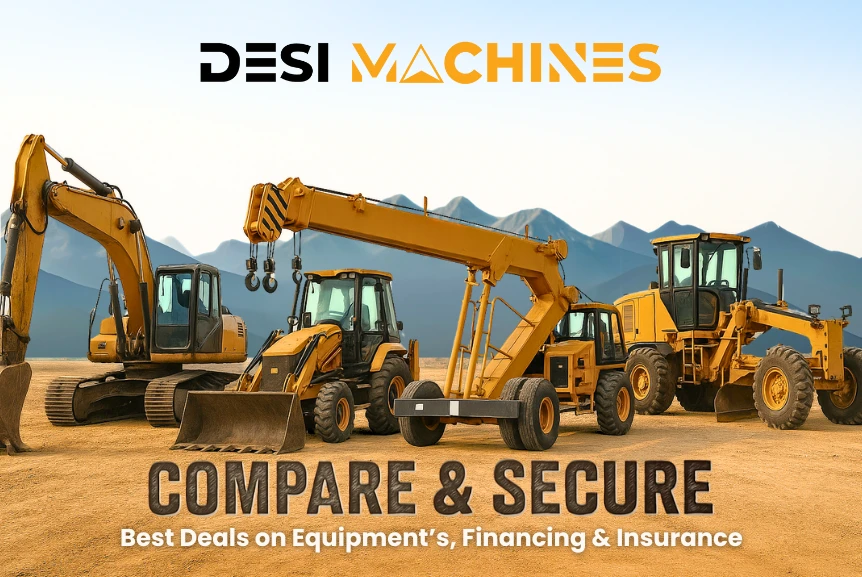

Operating construction equipment in India is a serious responsibility. Excavators, cranes, backhoe loaders, and other heavy machines are powerful assets. They improve productivity. But they also require trained operators and proper legal compliance.
If you plan to operate, rent, or run a business using Construction Equipment, you must understand licensing requirements. This guide explains the process in simple terms.
Why Do You Need a Construction Equipment License?
A valid license ensures:
- Operator safety
- Legal compliance
- Insurance eligibility
- Project approval from contractors and government bodies
Without proper documentation, you cannot legally operate many types of Construction Equipment on public roads or major project sites.
Types of Licenses Required for Construction Equipment
The type of license depends on the machine and its usage.
1. Heavy Motor Vehicle (HMV) License
If the Construction Equipment moves on public roads, such as cranes or truck-mounted equipment, the operator must hold an HMV driving license. This is issued by the Regional Transport Office (RTO).
2. Equipment-Specific Operator Certification
For machines like excavators, motor graders, or wheel loaders, companies often require certified operator training. Training is provided by:
- OEM training centers
- Industrial training institutes (ITI)
- Skill development programs
Certification improves safety and job eligibility.
3. Business Registration (If You Own Equipment)
If you operate Construction Equipment as a business, you must:
- Register your company
- Obtain GST registration
- Register under MSME (optional but beneficial)
- Get local trade licenses
For large fleet operations, compliance with labor and safety laws is mandatory.
Step-by-Step Process to Get a Construction Equipment License
Step 1: Meet Basic Eligibility
- Minimum 18 years of age
- Basic education (usually 8th or 10th pass)
- Medical fitness certificate
Step 2: Apply for a Learner’s License
Visit your local RTO website or office. Submit:
- Identity proof
- Address proof
- Passport-size photos
- Application form
Pass the basic traffic rules test.
Step 3: Complete Training
Enroll in certified training for construction equipment operation. Training covers:
- Machine controls
- Safety measures
- Maintenance basics
- On-site risk handling
Practical training is essential.
Step 4: Driving Test and Skill Evaluation
After training, appear for a driving or operational test. The RTO or certified authority evaluates your ability to handle Construction Equipment safely.
Step 5: Get Your License Issued
Once approved, you receive your license. Keep copies for:
- Site verification
- Insurance purposes
- Employer documentation
Documents Required
You typically need:
- Aadhaar Card
- PAN Card
- Address proof
- Age proof
- Medical certificate
- Training certificate
- Passport photos
For business owners operating in the construction equipment industry, additional documents like a GST certificate and company registration are required.
Is Insurance Mandatory for Construction Equipment?
Yes. Insurance is highly recommended and often mandatory for project approvals.
Types of insurance include:
- Equipment insurance
- Third-party liability insurance
- Operator insurance
Without insurance, financial risk increases significantly.
How Online Construction Equipment Marketplace Platforms Help
Today, many contractors explore machines through an online construction equipment marketplace before purchasing or renting. These platforms provide:
- Machine specifications
- Brand comparisons
- Pricing details
- Seller connections
Financing support
When applying for licensing or starting a fleet, contractors often research equipment details first. A reliable online construction equipment marketplace helps them understand machine categories, compliance requirements, and ownership costs before investment.
Some platforms also connect buyers with verified dealers and insurance providers, making the overall process smoother.
Cost Involved in Getting a Construction Equipment License
The cost depends on location and equipment type.
Approximate expenses include:
- Learner’s license fee
- Driving test fee
- Training charges
Medical certificate cost
Training programs for Construction Equipment may range from ₹10,000 to ₹40,000, depending on duration and specialization.
Business registrations and insurance add additional cost.
Common Mistakes to Avoid
- Skipping formal training
- Operating without a proper category license
- Ignoring insurance
- Using expired documents
- Not verifying state-level compliance rules
Always check with your local RTO or transport authority for updated regulations.
Future Scope of Licensed Construction Equipment Operators
India’s infrastructure sector is expanding rapidly. Highways, metro projects, mining operations, and smart city developments require skilled operators.
Certified Construction Equipment operators:
- Get better salary packages
- Receive priority in large projects
- Face fewer legal issues
- Improve long-term career stability
As digital platforms grow, contractors increasingly rely on verified sources and online construction equipment marketplace listings to make informed purchasing and hiring decisions.
Final Thoughts
Getting a Construction Equipment license in India is not complicated. But it requires proper training, documentation, and compliance.
Follow the legal steps. Invest in certified training. Maintain valid insurance. Keep documents updated.
Whether you are an operator, contractor, or fleet owner, proper licensing protects your career and business. And before investing in any machine, always research carefully through trusted industry platforms to understand specifications, compliance needs, and long-term costs.
A strong foundation starts with knowledge and the right approvals.

















Sign in to leave a comment.