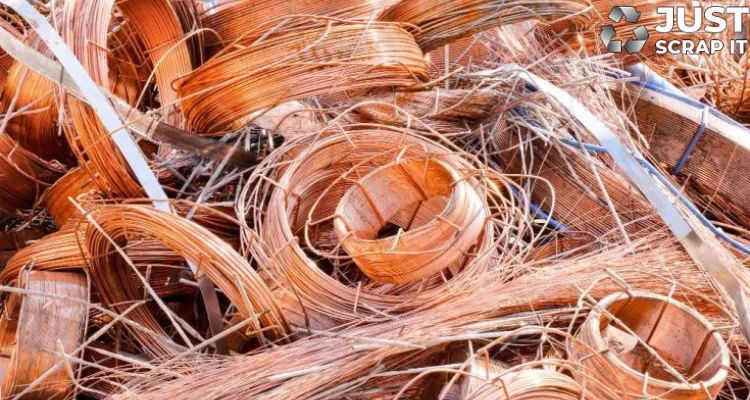

Old metal has a way of piling up. A broken appliance sits in the garage, leftover wiring gets pushed into a corner, and outdated machinery or metal parts slowly become part of the clutter. It can be tempting to throw everything away and move on.
But some of that material may still have value.
The key is knowing what you have, separating different types of metal, and preparing everything properly before recycling it. Working with an experienced scrap buyer in Plant City can also make the process easier, especially when you're dealing with a large or mixed collection of materials.
Start by Identifying What Kind of Scrap Metal You Have
Not all scrap metal is the same. One of the first steps toward getting more value from unwanted metal is figuring out what you're actually dealing with.
Scrap is generally divided into two broad categories: ferrous and non-ferrous metals.
Common Ferrous Metals
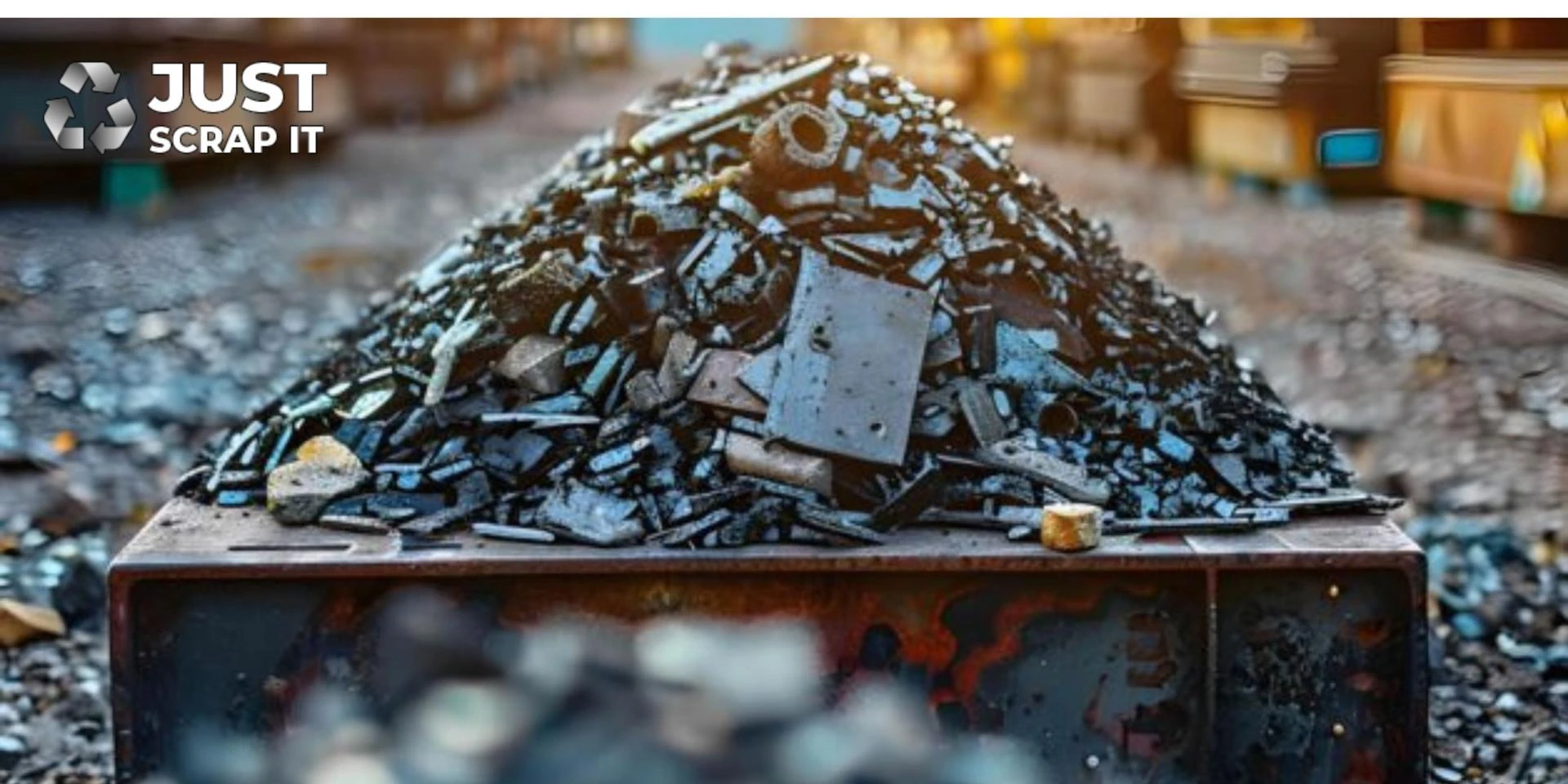
Ferrous metals contain iron and are commonly found in products such as steel equipment, structural materials, machinery, tools, and automotive components.
Steel is one of the most common recyclable metals because it is widely used in construction, manufacturing, appliances, and everyday products.
Common Non-Ferrous Metals
Non-ferrous metals don't contain significant amounts of iron and include materials such as copper, aluminum, and brass.
These metals can often be found in electrical wiring, plumbing components, fixtures, appliances, automotive parts, and various pieces of equipment.
Knowing the difference between these materials helps you organize your scrap and gives a buyer a clearer idea of what you're bringing in.
Separate Your Scrap Before Taking It to a Buyer
If you have several types of metal mixed together, taking a few minutes to organize them can make the recycling process much easier.
For example, keep copper wire separate from steel, aluminum separate from brass, and stainless steel separate from other materials when practical.
You don't necessarily need to dismantle every item you own. The goal is simply to avoid unnecessarily mixing materials that can be identified and handled separately.
A well-organized load is easier to evaluate and can make the entire transaction more straightforward.
Look for Valuable Metals You May Be Overlooking
One reason people miss opportunities with scrap is that valuable recyclable metal isn't always obvious.
A pile of old household items may contain several different materials. Instead of automatically treating everything as ordinary junk, take a closer look.
Old Electrical Wiring and Cables
Copper is commonly used in electrical wiring because of its excellent conductivity. Old cables, wiring, and certain electrical components may contain recyclable copper.
Plumbing Fixtures and Pipes
Older plumbing materials, fittings, valves, and fixtures can contain metals such as copper or brass.
Aluminum Components
Aluminum is lightweight and widely used in appliances, automotive components, frames, equipment, and other products. It can often be separated from heavier steel materials.
Brass Hardware and Fittings
Brass can appear in plumbing fixtures, valves, hardware, fittings, and other components. Small pieces can be easy to overlook when they're mixed into a larger cleanup.
Old Machinery and Automotive Parts
Broken machinery and unwanted automotive components may contain multiple recyclable metals. Rather than sending everything straight to the landfill, consider whether the material can be recovered through scrap recycling.
Prepare Your Scrap Metal Before Selling It
Preparation doesn't have to mean spending hours taking everything apart.
Start by keeping similar metals together and removing obvious non-metal materials when it can be done safely and practically. Organize your scrap so the different materials are easier to identify.
For larger items, don't attempt complicated dismantling simply to recover a small amount of metal. Some equipment contains components that can be heavy, sharp, pressurized, or otherwise hazardous.
Safety should always come before trying to maximize the amount of material in a load.
Proper preparation also makes it easier for a scrap buyer to understand what you're bringing in and determine how the materials should be handled for recycling.
Know What a Scrap Buyer Actually Looks For
A scrap buyer isn't simply looking at how large your pile is.
Several factors can influence how scrap is evaluated, including the type of metal, its grade, the quantity, how well it has been separated, and whether it contains unwanted materials.
For example, a clean and clearly separated collection of one metal is easier to identify than a pile containing steel, copper, plastic, wood, and other materials all mixed together.
This is one reason experience matters. Someone familiar with scrap metal can often recognize materials that an occasional seller might overlook.
How a Scrap Buyer in Plant City Can Help You Get More From Your Scrap
If you've accumulated a significant amount of unwanted metal, working with a knowledgeable scrap buyer in Plant City can simplify the process.
A local buyer can help you understand what types of materials are suitable for recycling and how different metals should be separated or prepared. This can be especially helpful when you're clearing out a garage, workshop, property, renovation project, or business space.
Instead of guessing what belongs in the trash, you have an opportunity to identify materials that can be recovered and recycled.
For homeowners and businesses alike, that can turn an otherwise frustrating cleanup into a more organized process.
Avoid These Common Mistakes When Selling Scrap Metal
Getting more from your scrap isn't only about finding the right materials. It's also about avoiding mistakes that make recycling harder.
Throwing Valuable Metal Away
It's easy to assume that an old appliance, broken fixture, or pile of wiring is worthless simply because you no longer need it.
Before throwing metal items away, consider whether they contain recyclable materials.
Mixing Different Types of Metal
Throwing every piece of metal into one pile may seem convenient, but it can make identification and sorting more difficult.
Separate materials whenever it's practical to do so.
Ignoring Metal Identification
You don't need to become a scrap metal expert overnight. However, learning the basics of ferrous and non-ferrous metals can help you understand what you're dealing with.
When you're unsure, ask an experienced buyer rather than making assumptions.
Choosing a Buyer Without Doing Your Homework
Not every scrap recycling operation provides the same experience. Look for a buyer that is established, knowledgeable, transparent about the process, and focused on responsible recycling practices.
A reputable business should make the process understandable rather than leaving you wondering what happens to your materials.
Attempting Unsafe Dismantling
Trying to extract every possible piece of metal isn't worth putting yourself at risk.
Large appliances, machinery, automotive components, and electrical equipment can present hazards. If an item requires specialized tools or complicated dismantling, consider leaving the work to professionals.
Make Scrap Metal Recycling Part of Your Cleanup Strategy
Scrap recycling can fit naturally into many types of cleanup projects.
Maybe you're renovating a property and have leftover metal materials. Perhaps you're clearing out a garage filled with old equipment. A business may be replacing outdated machinery, or a contractor may have accumulated metal from several projects.
Instead of treating all of that material as waste, create a separate pile for recyclable metal.
This simple step can help reduce the amount of material going into the regular waste stream while making the cleanup more organized.
Why Local Scrap Recycling Matters
Metal recycling isn't just about clearing space.
Recovering metal allows materials to move back into the recycling stream instead of being unnecessarily discarded. Recycled metals can become part of future manufacturing processes, reducing the need to rely entirely on newly extracted raw materials.
Local scrap buyers play an important role in this process by helping residents and businesses turn unwanted metal into recyclable material.
For communities such as Plant City, convenient access to scrap recycling can make responsible disposal a much more practical option.
When It Makes Sense to Contact a Scrap Buyer
You don't need to wait until your property is overflowing with metal before contacting a buyer.
It may make sense to explore your recycling options when you have:
- A large collection of old steel or aluminum
- Copper wiring or plumbing materials
- Brass fixtures and fittings
- Outdated machinery or equipment
- Metal left over from renovation projects
- Automotive or mechanical components
- Scrap accumulated during a property or business cleanup
- A mixed pile of metal that you aren't sure how to sort
If you're uncertain about what can be recycled, getting guidance from an experienced scrap buyer can save time and prevent recyclable material from ending up in the trash.
Make the Most of the Scrap Metal You Already Have
Getting more value from scrap doesn't require complicated tricks.
Start by looking at what you already have. Identify the different metals, separate them where practical, keep the materials reasonably clean and organized, and avoid unsafe dismantling.
Most importantly, don't assume that something is worthless simply because it has reached the end of its useful life for you.
Old metal can still have a useful next chapter through recycling.
Turn Unwanted Metal Into Something More Valuable
A pile of unwanted metal doesn't have to become another trip to the landfill. With a little organization and basic knowledge, you may be able to recover materials that can be recycled and put back into productive use.
If you're sorting through metal from a home cleanup, renovation, business, garage, or property project, an experienced scrap buyer in Plant City can help you understand your recycling options and make the process easier.
Just Scrap It helps customers turn unwanted metal into recyclable material while keeping the process straightforward and convenient. If you have scrap sitting around and aren't sure what to do with it, it's worth taking a closer look before you haul it away as ordinary waste.























Sign in to leave a comment.