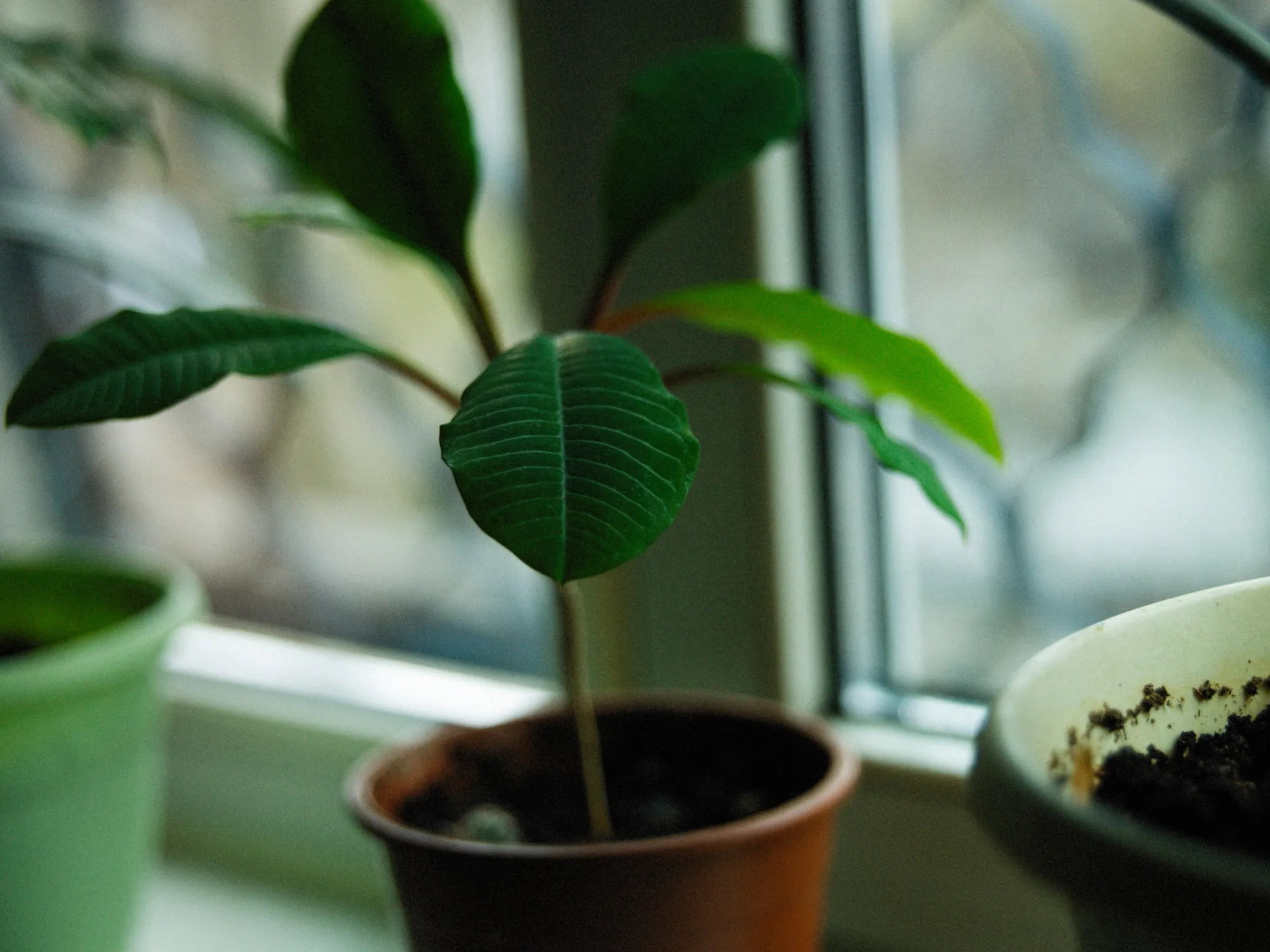

Fresh cilantro can completely transform the flavor of your favorite dishes, from tacos and curries to soups and salads. The good news is that you don't need a large garden to enjoy this fragrant herb. Whether you have a sunny backyard, a balcony, or even a windowsill, learning how to grow cilantro is easier than you might think.
In this guide, you'll learn everything you need to know about growing healthy cilantro plants, including the best growing conditions, watering schedule, common problems, and harvesting tips.
Why Grow Cilantro at Home?
Cilantro is one of the fastest-growing culinary herbs and offers several benefits for home gardeners.
- Fresh leaves are more flavorful than store-bought herbs.
- It's inexpensive and easy to grow from seed.
- It grows well in containers and small spaces.
- You can harvest both the leaves (cilantro) and the seeds (coriander).
- Regular harvesting encourages new growth.
With the right care, you can enjoy multiple harvests throughout the growing season.
Choose the Right Location
Cilantro prefers cool weather and grows best during spring and fall. In hotter climates, it benefits from morning sunlight and light afternoon shade to prevent the plant from flowering too early.
Choose a location that receives around 4 to 6 hours of sunlight each day. If you're growing cilantro indoors, place the pot near a bright south-facing or east-facing window where it receives plenty of natural light.
Use Well-Draining Soil
Healthy roots are the key to growing strong cilantro plants.
Use loose, fertile soil that drains well and contains plenty of organic matter. Mixing compost into the soil before planting helps improve moisture retention while providing nutrients that support healthy growth.
Aim for slightly acidic to neutral soil with a pH between 6.2 and 6.8.
Plant Cilantro from Seeds
- Unlike many herbs, cilantro doesn't like being transplanted because its roots are sensitive.
- For the best results, sow seeds directly into the container or garden bed where the plant will grow.
- Plant the seeds about ¼ inch deep and space them 6 to 8 inches apart. Keep the soil consistently moist until germination, which usually takes 7 to 14 days.
- To enjoy a continuous harvest, sow new seeds every two to three weeks.
Water Consistently
One of the most important parts of learning how to grow cilantro is providing the right amount of water.
Keep the soil evenly moist but never soggy. Allow the top inch of soil to dry slightly before watering again. During hot weather, container-grown cilantro may need watering more frequently than plants growing in the ground.
Deep watering encourages stronger root development than frequent shallow watering.
Fertilize Lightly
Cilantro isn't a heavy feeder.
Adding compost before planting is often enough for healthy growth. If needed, apply a balanced liquid fertilizer once every four to six weeks, but avoid over-fertilizing, as this can reduce the flavor of the leaves.
Prevent Early Bolting
Bolting occurs when cilantro begins producing flowers and seeds instead of fresh leaves.
Hot temperatures, inconsistent watering, and long daylight hours can all trigger bolting.
To delay flowering:
- Grow cilantro during cooler months.
- Keep the soil consistently moist.
- Provide afternoon shade in warm climates.
- Harvest leaves regularly.
- Plant new seeds every few weeks for a steady supply.
Even if your plant flowers, you can still collect the coriander seeds for cooking or future planting.
Common Problems
Cilantro is generally easy to grow, but you may encounter a few common issues.
Yellow Leaves
This is often caused by overwatering, poor drainage, or nutrient deficiencies.
Wilting Plants
Wilting usually indicates underwatering or excessive heat.
Aphids
Small insects sometimes gather on tender new growth. Spray them off with water or use insecticidal soap if necessary.
Powdery Mildew
Poor air circulation and excessive moisture can lead to fungal diseases. Space plants properly and avoid watering the leaves whenever possible.
Harvesting Cilantro
- You can begin harvesting once the plants reach about 6 inches tall.
- Cut the outer leaves first, leaving the center of the plant untouched so it can continue producing new growth. Never remove more than one-third of the plant at a time.
- Fresh cilantro tastes best when harvested just before use.
If the plant begins producing flowers, allow the seed heads to mature and dry naturally. These seeds are known as coriander and can be collected for cooking or saved for your next planting season.
Growing Cilantro in Containers
Cilantro grows exceptionally well in pots, making it ideal for balconies, patios, and indoor herb gardens.
Choose a container that's at least 8 to 10 inches deep with drainage holes. Fill it with quality potting mix and place it where the plant receives enough sunlight while staying protected from intense afternoon heat.
Container gardening also makes it easier to move plants during changing weather conditions.
Final Thoughts
Learning how to grow cilantro doesn't require years of gardening experience. With quality soil, consistent watering, and the right amount of sunlight, you can grow healthy, flavorful cilantro almost anywhere.
The secret to success is planting seeds regularly, harvesting often, and protecting the plants from excessive heat. Before long, you'll have a continuous supply of fresh herbs ready to elevate your favorite meals.
Whether you're creating an indoor herb garden or expanding your outdoor vegetable patch, cilantro is one of the easiest and most rewarding herbs to grow. Start with a packet of seeds, give your plants a little care, and enjoy fresh harvests throughout the season.
Frequently Asked Questions
How long does it take for cilantro seeds to germinate?
Cilantro seeds typically take about 7 to 14 days to germinate, depending on the growing conditions. Keeping the soil consistently moist during this period can help promote quicker germination.
Can cilantro be grown indoors?
Yes, cilantro can be successfully grown indoors. Place the pot near a bright south-facing or east-facing window to ensure it receives plenty of natural light, ideally around 4 to 6 hours per day.
What are the best soil conditions for growing cilantro?
Cilantro thrives in loose, well-draining soil that is slightly acidic to neutral, with a pH between 6.2 and 6.8. Incorporating compost can improve moisture retention and provide essential nutrients for healthy growth.
Why are my cilantro leaves turning yellow?
Yellowing leaves in cilantro can be caused by overwatering, poor drainage, or nutrient deficiencies. It's important to check your watering habits and ensure good soil drainage to prevent this issue.
How can I prevent cilantro from bolting?
To prevent bolting, which is when cilantro starts to flower and produce seeds, grow it during cooler months, keep the soil consistently moist, and provide afternoon shade in warmer climates. Regular harvesting can also encourage new leaf growth.
How do I harvest cilantro without damaging the plant?
Harvest cilantro by cutting the outer leaves first, while leaving the inner leaves intact. Avoid removing more than one-third of the plant at once to ensure it continues to grow and produce fresh leaves.
Is cilantro a heavy feeder, and do I need to fertilize it?
Cilantro is not a heavy feeder and often does well with just compost added before planting. If necessary, you can apply a balanced liquid fertilizer every four to six weeks, but be cautious not to over-fertilize, as it can diminish the flavor.



























Sign in to leave a comment.