
Renovating your home is an exciting journey, whether it’s updating a kitchen, remodeling a bathroom, or creating a more modern living space. However, there’s one hidden danger that many homeowners overlook: asbestos. This naturally occurring mineral was widely used in homes built before the 1990s because of its durability and fire-resistant properties. Unfortunately, when disturbed, asbestos fibers can become airborne and pose serious health risks, including lung disease and cancer. Before you start tearing down walls or removing old flooring, it’s crucial to know how to identify asbestos in your home.
Understanding Where Asbestos Might Be Found
Asbestos can be present in a surprising number of building materials. Some of the most common areas include:
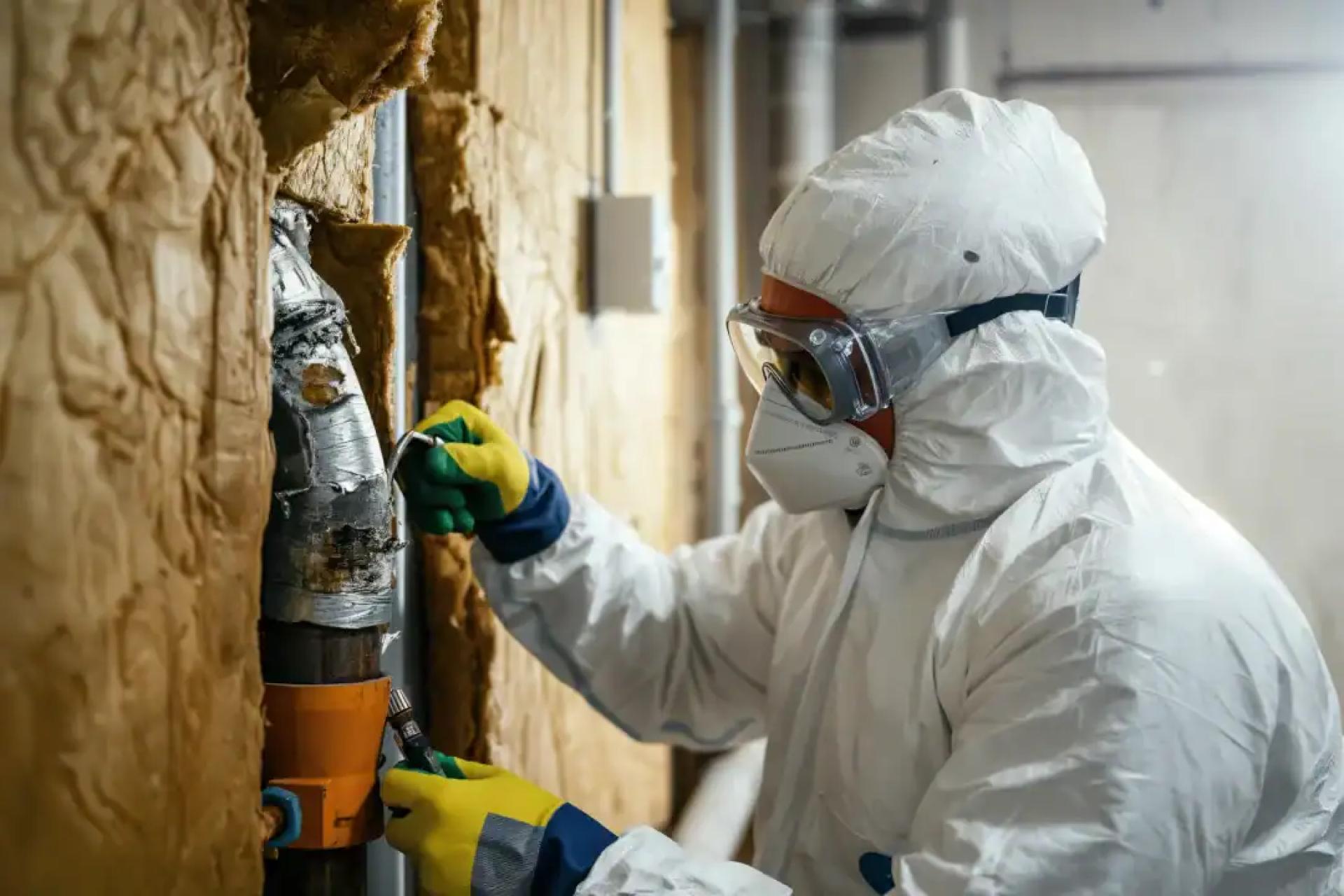
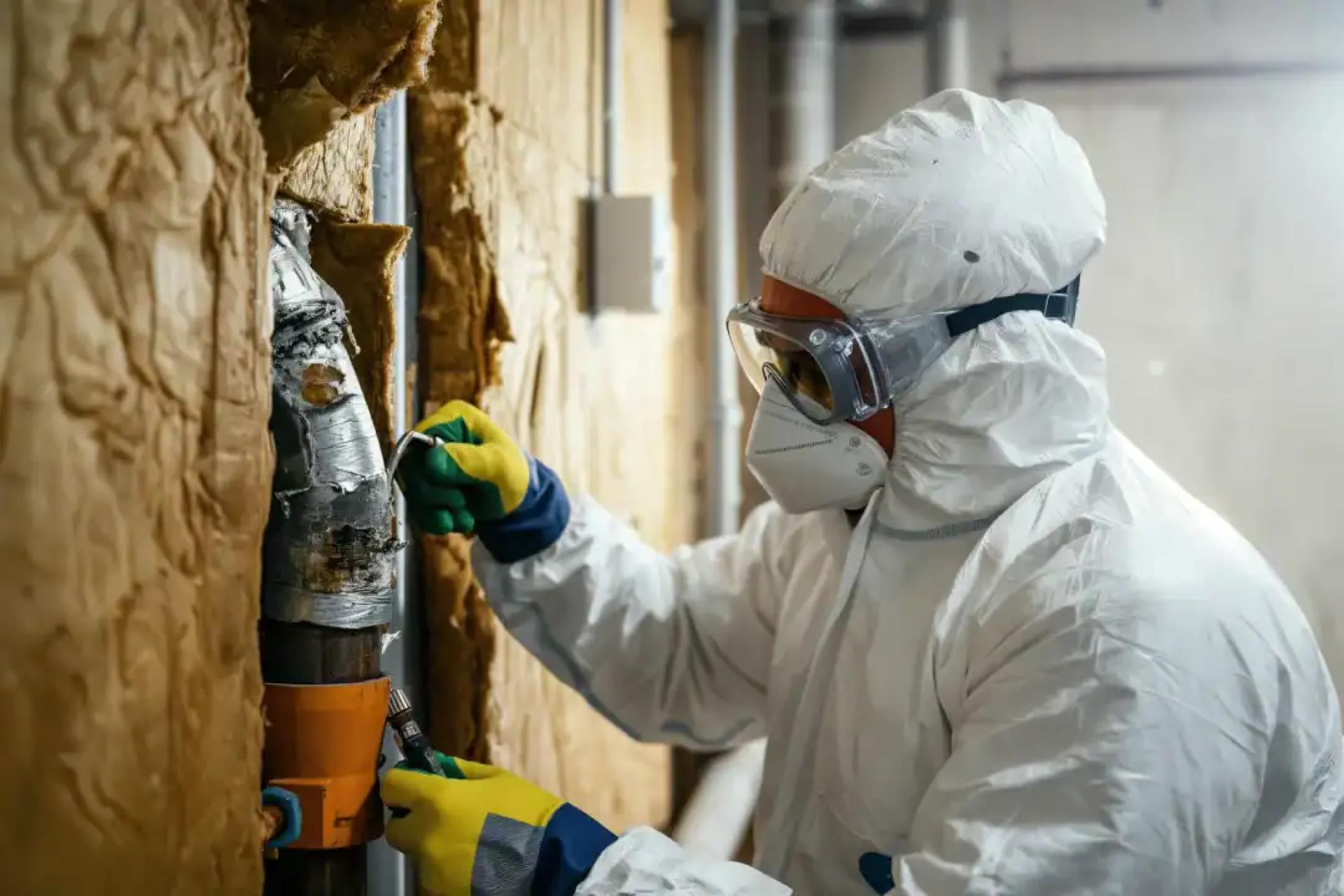
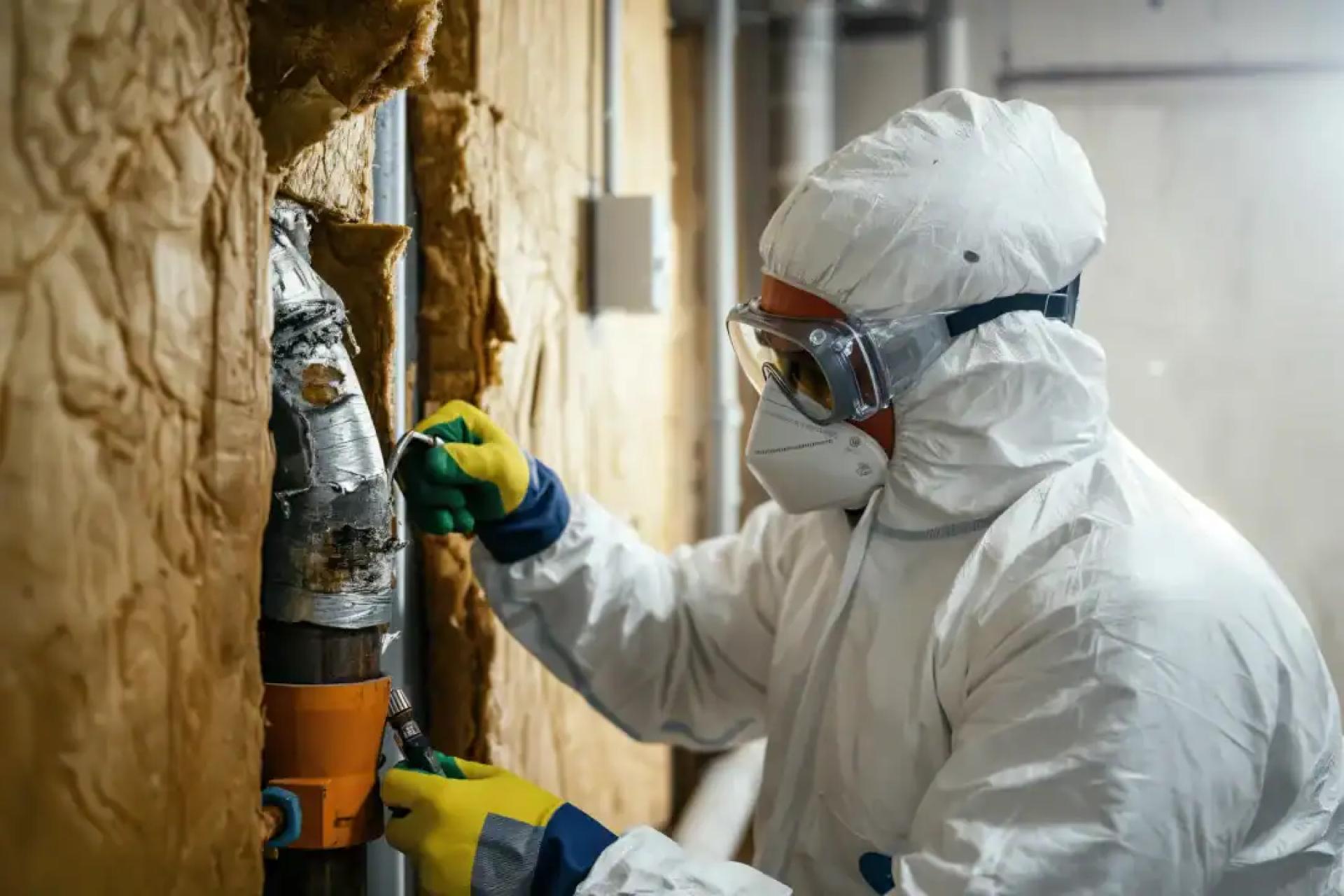
- Insulation: Older homes often have asbestos-containing insulation in walls, attics, and around pipes. This can be in the form of loose-fill insulation, thermal insulation wraps, or even insulating boards.
- Flooring: Vinyl floor tiles, backing sheets, and adhesives used before the 1980s frequently contained asbestos.
- Ceilings and Walls: Textured ceilings (like popcorn ceilings) and some wall panels may include asbestos.
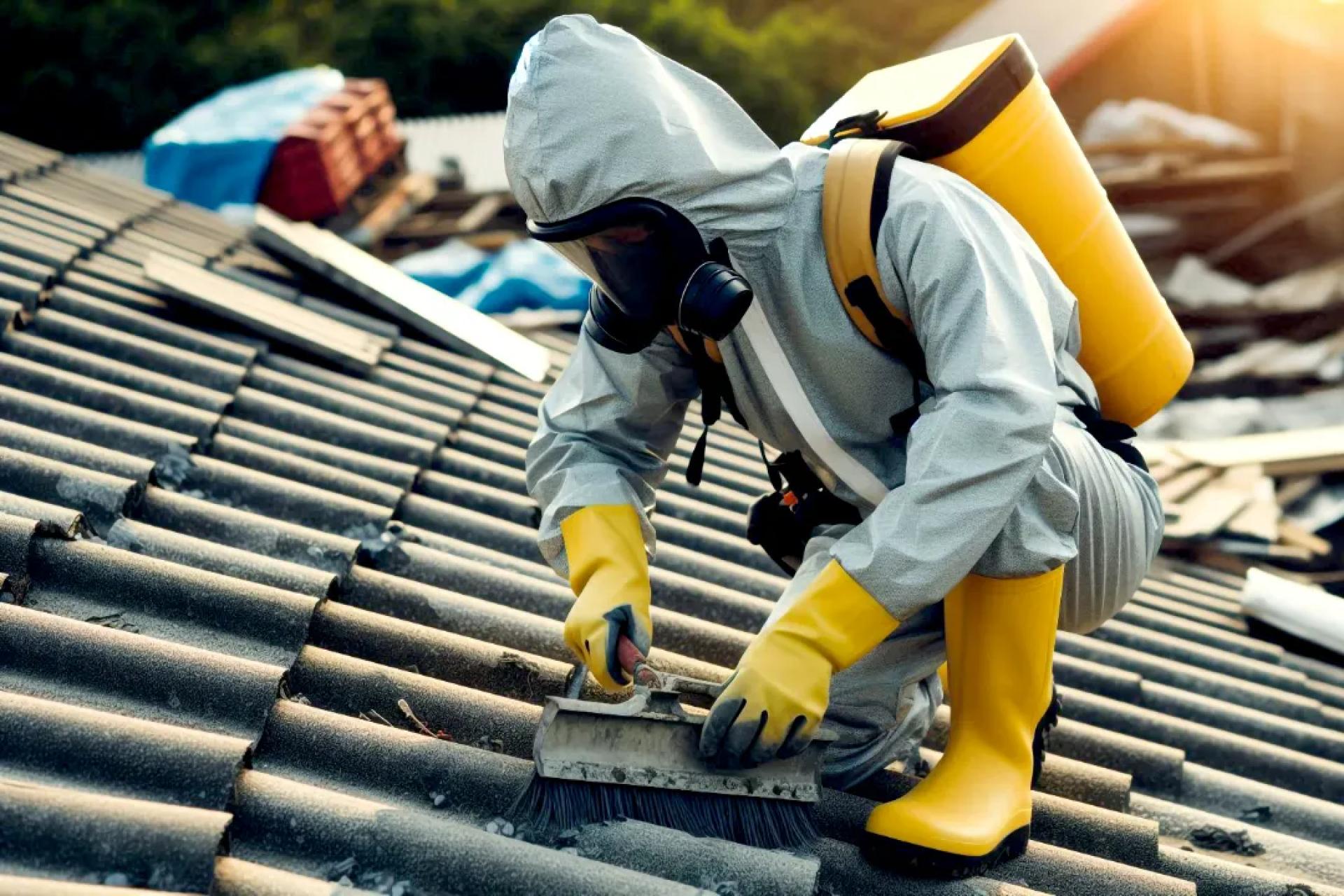
- Roofing and Siding: Corrugated roofing sheets, shingles, and siding materials from older properties sometimes contain asbestos fibers.
- Ductwork and Heating Systems: Asbestos was used in duct insulation and around heating elements because of its heat-resistant properties.
Being aware of these potential hotspots is the first step toward preventing accidental exposure.
Signs That Asbestos Might Be Present
Visually identifying asbestos can be tricky because it often looks like ordinary building material. Here are a few clues that can raise suspicion:
- Age of the Home: Homes built before the 1990s are more likely to contain asbestos. If your property dates back to the 1970s or 1980s, it’s worth investigating further.
- Material Appearance: Asbestos can appear in fluffy, fibrous insulation, textured coatings, or rigid cement sheets. Materials that are crumbling, flaking, or brittle should be treated with caution.
- Product Labels: Some old products may have labeling that indicates asbestos content. While rare, checking for any manufacturer information on leftover materials can provide a hint.
- Renovation History: If previous renovations were done without proper asbestos testing, there’s a chance it was disturbed or left untreated.
Even with these indicators, it’s important to remember that asbestos cannot be reliably identified just by sight. Handling or disturbing suspected materials without proper precautions can release dangerous fibers into the air.
Safe Steps to Check for Asbestos
If you suspect asbestos in your home, the safest approach is to avoid disturbing it and consult a professional. Here’s how to handle the situation responsibly:
- Do Not Disturb: Avoid sanding, cutting, drilling, or removing any materials that may contain asbestos. Disturbing the fibers increases the risk of inhalation.
- Hire a Professional Inspector: Certified asbestos inspectors have the tools and knowledge to safely take samples and analyze them in a controlled environment.
- Document Locations: Keep a record of any areas suspected to contain asbestos. This will be useful for both the inspection process and future renovations.
- Plan Renovations Around Safety: If asbestos is detected, a professional asbestos removal service should handle the material before work continues. Trying to remove it yourself can be extremely hazardous.
The Importance of Professional Asbestos Removal
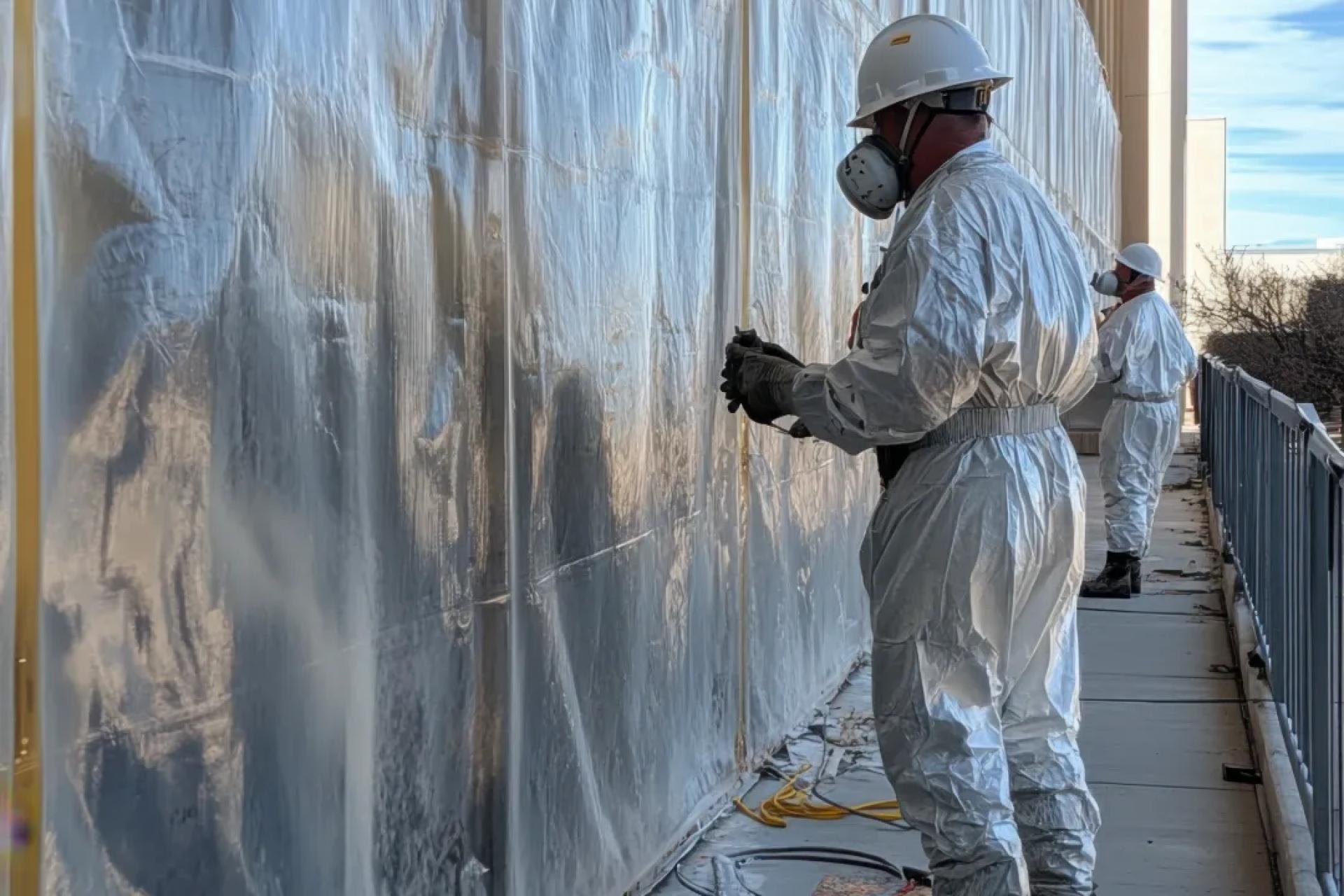
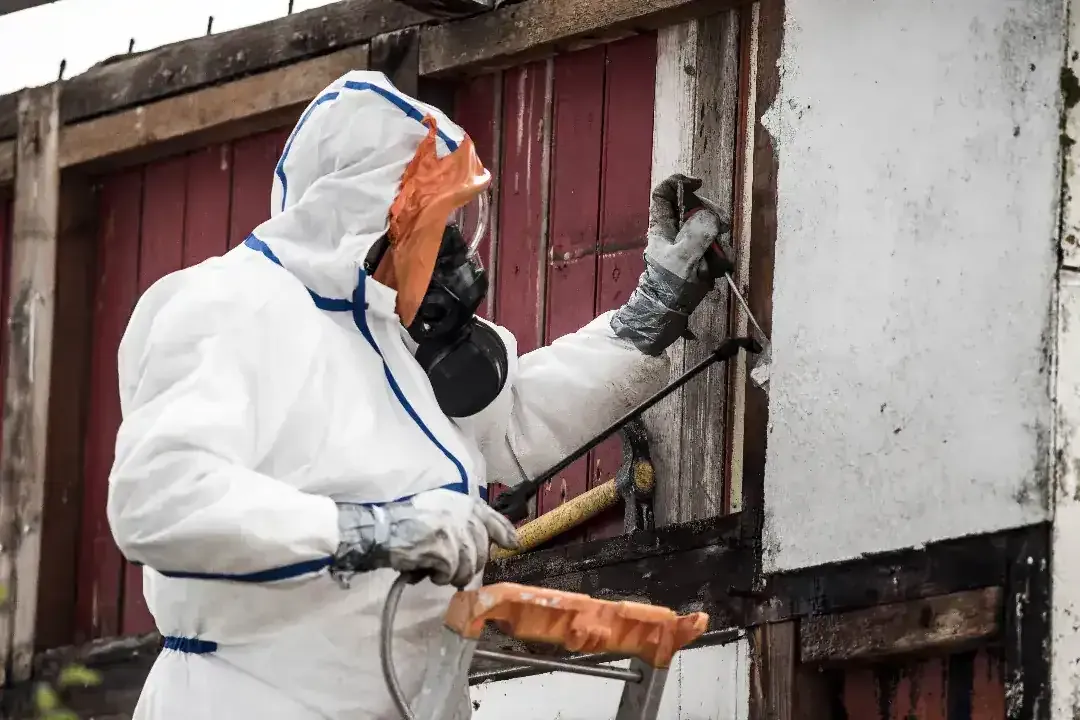
Once asbestos is identified, professional removal is not just recommended—it’s often legally required. Services specializing in asbestos removal, such as those providing Asbestos Removal Mentone, are trained to safely contain, remove, and dispose of asbestos materials according to strict safety regulations. They use protective equipment, specialized tools, and proper disposal methods to minimize risk to your household and the environment.
Choosing a licensed removal service provides peace of mind. Professionals ensure the affected areas are sealed, fibers are properly contained, and any leftover debris is safely disposed of. This step is crucial before any major renovation, as even minor exposure to asbestos fibers can have long-term health consequences.
Preventive Measures During Renovation
Even with professional help, homeowners can take additional precautions during renovations:
- Inform Your Renovation Team: Ensure that builders or contractors are aware of any asbestos concerns. Only trained personnel should handle or work near asbestos materials.
- Protect Yourself and Family: Until removal is complete, restrict access to affected areas, keep windows closed to avoid spreading fibers, and avoid vacuuming or sweeping suspected asbestos dust.
- Verify Clearance: After removal, a professional should provide clearance testing to confirm that your home is safe to occupy and renovate.
Conclusion
Identifying asbestos in your home before renovation is not just a matter of caution—it’s essential for your safety. Understanding where asbestos might be found, recognizing potential signs, and taking proper precautions can prevent dangerous exposure. Professional asbestos inspection and removal services, such as Asbestos Removal Mentone, ensure that your renovation project can proceed safely and confidently. By taking these steps, you’re protecting your family, your home, and your peace of mind, allowing your renovation dreams to become a safe reality.
























Sign in to leave a comment.