
Introduction
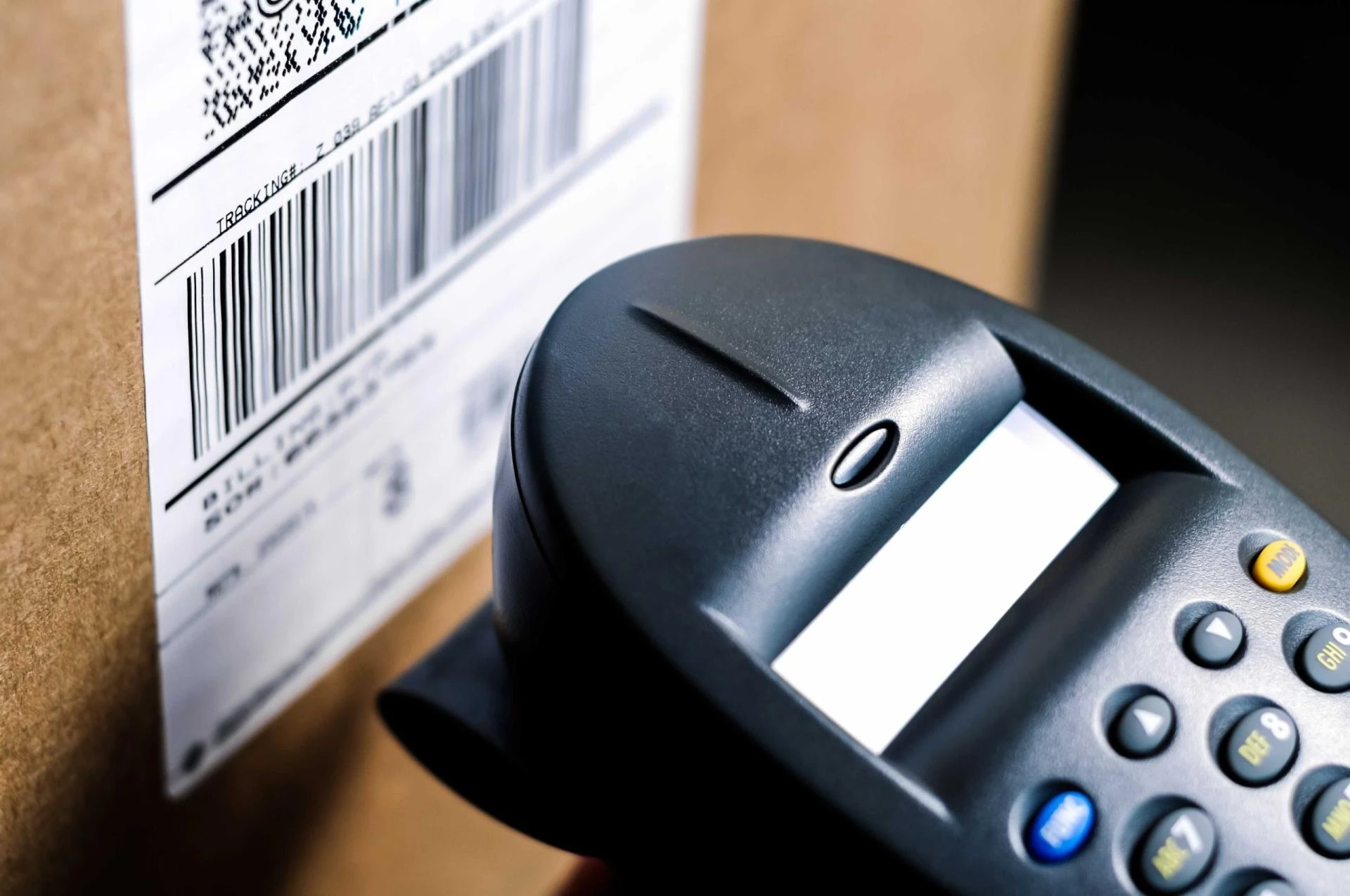
In today's digital age, counterfeit products flood markets worldwide, posing serious risks to consumers and brands alike. With advancements in technology, identifying fake products has become increasingly challenging. However, one tool that has emerged as a reliable ally in this battle is the barcode. How To Identify Fake Products using barcode? In this blog, we'll delve into how you can leverage barcodes to identify counterfeit goods and make informed purchasing decisions.
Understanding the Importance of Barcodes
Barcodes serve as unique identifiers for products, containing vital information such as the manufacturer, product type, and serial number. They facilitate efficient inventory management and streamline the checkout process. Moreover, barcodes play a crucial role in combating counterfeit products by enabling traceability throughout the supply chain.
How Barcodes Aid in Identifying Fake Products
Verification of Product Authenticity: One of the primary ways barcodes help identify fake products is by enabling consumers to verify their authenticity. Many brands provide barcode scanning apps or online tools that allow users to scan the barcode and confirm if the product is genuine.
Track and Trace: Barcodes enable authorities and consumers to track a product's journey from the manufacturer to the point of sale. By scanning the barcode, individuals can trace the product's entire supply chain, helping identify any discrepancies or unauthorized intermediaries.
Comparison with Product Databases: Some organizations maintain databases of authentic products along with their corresponding barcodes. By comparing the scanned barcode with these databases, consumers can quickly determine if the product matches the manufacturer's records, thus detecting counterfeits.
Tips for Using Barcodes Effectively
Download Official Apps: To ensure accuracy, always use official barcode scanning apps provided by brands or trusted third-party sources. These apps are designed to recognize authentic barcodes and flag suspicious or counterfeit products.
Scrutinize Packaging: Counterfeiters often replicate barcodes along with packaging. Carefully inspect the packaging for any signs of tampering or inconsistencies in barcode placement and design.
Stay Informed: Keep abreast of news and updates regarding counterfeit products and common scams. Familiarize yourself with the unique features of authentic barcodes specific to different brands and product categories.
Conclusion
Counterfeit products pose significant risks to consumers' health, safety, and finances. Leveraging barcodes as a tool for identifying fake products empowers consumers to make informed purchasing decisions and safeguards against potential harm. How to identify fake products using barcodes, consumers should utilize barcode scanning apps or online tools provided by brands or trusted sources. By scanning the barcode and comparing it with official databases or authentic product records, individuals can quickly determine the product's legitimacy. Additionally, scrutinizing packaging for any signs of tampering or inconsistencies in barcode placement and design can help uncover counterfeit goods. Staying informed about common scams and counterfeit trends further enhances consumers' ability to detect fake products effectively. Through these measures, individuals can actively contribute to combating counterfeiting and protecting themselves and their communities.** By understanding the importance of barcodes, utilizing them effectively, and staying vigilant, individuals can play an active role in combating counterfeiting and protecting themselves and their communities.
FAQs
Q1: Can counterfeiters replicate barcodes accurately?
A1: While counterfeiters may attempt to replicate barcodes, they often lack the intricate details and authenticity of genuine barcodes. By scrutinizing the barcode and packaging for inconsistencies, consumers can often detect counterfeit products.
Q2: Are there any limitations to using barcodes to identify fake products?
A2: While barcodes are valuable tools, they are not foolproof. Some counterfeiters may employ advanced techniques to create convincing replicas. However, by combining barcode scanning with other authentication methods and staying informed, consumers can enhance their ability to detect counterfeit goods.
Q3: Are there any legal repercussions for selling counterfeit products?
A3: Yes, selling counterfeit products is illegal and can result in severe penalties, including fines and imprisonment. Furthermore, counterfeit goods often fail to meet regulatory standards, posing additional risks to consumers and damaging brand reputation.
Read further articles also
Overview of common 1D & 2D barcode formats


























Sign in to leave a comment.