

In the fast-paced world of modern technology, the demand for efficient, agile, and high-quality software development continues to grow. Traditional development methods, which often lead to bottlenecks, inefficiencies, and poor collaboration, are becoming increasingly outdated. This is where DevOps comes into play. As one of the most prominent software development trends, DevOps fosters collaboration between development (Dev) and IT operations (Ops), enabling teams to work seamlessly, automate processes, and accelerate the software delivery cycle.
Implementing DevOps is essential for staying competitive in today’s rapidly changing digital landscape. By embracing DevOps, organizations can achieve faster delivery, higher-quality software, and enhanced collaboration. In this article, we’ll explore how to implement DevOps to align with software development trends and ensure a seamless software development process.
1. Understanding DevOps in the Context of Software Development Trends
To implement DevOps effectively, it’s important to first understand its role in modern software development trends. DevOps is not just a set of tools or practices; it’s a cultural and technical shift that combines development, testing, and IT operations into a unified team. By integrating these traditionally siloed functions, DevOps enables faster and more reliable software development.
DevOps is driven by key software development trends that include:
- Automation: DevOps promotes the automation of repetitive tasks, enabling faster and more reliable development cycles.
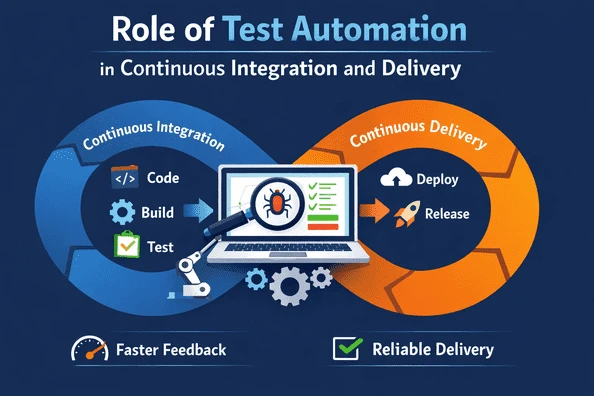
- Continuous Integration (CI) and Continuous Delivery (CD): These practices allow for frequent, automated software builds, testing, and deployments.
- Collaboration: DevOps encourages cross-functional teamwork, fostering closer collaboration between development, operations, and other stakeholders.
- Monitoring and Feedback: Real-time monitoring and continuous feedback loops are crucial for identifying issues early and improving software quality.
Adopting DevOps is one of the best ways to keep up with these trends, ensuring that your software development process is both efficient and scalable.
2. Key Steps to Implement DevOps for Seamless Software Development
Implementing DevOps involves adopting new practices, tools, and a cultural shift. Here are the key steps for integrating DevOps into your organization’s software development process:
2.1 Foster a Collaborative DevOps Culture
A successful DevOps implementation begins with cultivating a collaborative culture across your organization. In traditional development environments, teams work in isolation—developers write the code, while operations teams are responsible for deployment and maintenance. With DevOps, this separation disappears, and cross-functional collaboration is encouraged.
To build a collaborative DevOps culture:
- Create Cross-Functional Teams: Bring together developers, operations engineers, QA testers, and other stakeholders to work on the same goals.
- Share Responsibilities: Both development and operations teams should take responsibility for the entire software lifecycle—from coding to deployment and maintenance.
- Emphasize Communication: Encourage open, transparent communication between teams to ensure a shared understanding of project goals and challenges.
By nurturing this cultural shift, you’ll align your team with software development trends and prepare them for success in a DevOps environment.
2.2 Automate the Software Development Pipeline
Automation is a cornerstone of DevOps and one of the key software development trends that drives efficiency and quality. Automated processes, such as Continuous Integration (CI) and Continuous Delivery (CD), allow for faster, more reliable software deployment. By integrating automation into your DevOps pipeline, you can eliminate manual intervention, reduce errors, and speed up delivery.
To automate the pipeline:
- Set Up Continuous Integration (CI): Automate the process of code integration into a shared repository. Tools like Jenkins, GitLab CI, and Travis CI help automate testing, building, and validating code.
- Implement Continuous Delivery (CD): Ensure that software can be deployed at any time by automating the delivery pipeline. This guarantees that the software is always in a deployable state and can be released quickly.
- Leverage Infrastructure as Code (IaC): Tools like Terraform and Ansible allow you to automate the provisioning and management of infrastructure, ensuring consistency and scalability.
Automation accelerates workflows and reduces the risk of human error, making it a key factor in achieving the speed and reliability expected in modern software development trends.
2.3 Integrate Automated Testing Into the Development Process
Testing is a critical part of any DevOps implementation. With DevOps, you integrate automated testing into every stage of the CI/CD pipeline to detect bugs early and ensure high-quality software. Automated testing ensures that code changes are validated continuously, leading to higher-quality, bug-free software.
Incorporate testing into your DevOps strategy by:
- Adopting Test-Driven Development (TDD): Write automated tests before writing the code to ensure that the software meets functional requirements.
- Continuous Testing: Integrate automated tests into your CI pipeline so that each code change triggers testing. This enables early detection of issues and reduces the time it takes to find and fix bugs.
- Regression Testing: Implement automated regression testing to ensure that new changes don’t break existing features, which is crucial for maintaining stability in rapidly evolving software projects.
By automating testing, you can keep up with the rapid pace of development that modern software development trends demand.
2.4 Monitor Software in Real-Time
Continuous monitoring is an essential practice in DevOps that provides visibility into application performance, user experience, and system health. Real-time monitoring ensures that issues are identified before they affect the end-users, helping your team resolve problems proactively.
Key steps to implement monitoring in DevOps include:
- Use Monitoring Tools: Leverage tools like Prometheus, Grafana, and Datadog to gather insights into your application and infrastructure performance.
- Set Up Alerts: Configure alerts to notify your team of any performance degradation, downtime, or security threats in real-time.
- Analyze Logs and Metrics: Collect and analyze log data to identify trends and potential issues before they become critical.
By integrating monitoring into the DevOps process, teams can stay ahead of any potential issues, ensuring high-quality software and improved user satisfaction.
2.5 Integrate Security with DevSecOps
As software development trends continue to emphasize security, DevSecOps—integrating security into every phase of the DevOps pipeline—is becoming a necessity. Security shouldn’t be an afterthought, and it must be built into the development process from the start.
To implement DevSecOps:
- Automate Security Testing: Integrate security testing tools like Snyk, Aqua Security, and OWASP ZAP into the CI/CD pipeline to identify vulnerabilities early in the development cycle.
- Adopt Secure Coding Practices: Encourage developers to follow secure coding guidelines to reduce the risk of introducing vulnerabilities.
- Monitor for Threats: Use security monitoring tools to detect and respond to potential security breaches or threats in real-time.
DevSecOps ensures that security is embedded throughout the development lifecycle, helping teams mitigate risks and protect against potential breaches.
2.6 Choose the Right DevOps Tools
Selecting the right tools is critical for successfully implementing DevOps. The tools you choose should align with your team’s needs, technology stack, and business goals. Here are some essential DevOps tools:
- Version Control: Git, GitHub, GitLab, Bitbucket
- CI/CD: Jenkins, GitLab CI, CircleCI, Travis CI
- Configuration Management: Ansible, Chef, Puppet
- Containerization and Orchestration: Docker, Kubernetes
- Monitoring and Logging: Prometheus, Grafana, ELK Stack, Datadog
- Security: SonarQube, Snyk, Aqua Security
The right combination of tools enables teams to automate processes, monitor performance, and maintain security, which is vital for keeping up with software development trends.
2.7 Optimize and Scale DevOps Practices
Once DevOps is implemented, the work doesn’t stop there. Continuous optimization is essential to ensure your DevOps practices are aligned with changing business needs and technology trends.
Key optimization strategies include:
- Review Feedback and Metrics: Regularly assess your DevOps process by reviewing metrics, customer feedback, and team input to identify areas for improvement.
- Scale Infrastructure: As your software grows, scale your infrastructure and DevOps practices to handle increased demand and maintain efficiency.
- Continuous Improvement: DevOps is about constant evolution. Stay up to date with the latest software development trends, tools, and best practices, and continuously improve your workflows.
3. Conclusion
Implementing DevOps in alignment with the latest software development trends is crucial for creating a seamless, efficient, and high-quality software development process. By fostering a collaborative culture, automating processes, integrating testing, monitoring software in real-time, and ensuring security, DevOps empowers teams to deliver faster, more reliable software.
As software development trends continue to evolve, organizations must continuously adapt their DevOps practices to stay competitive. With the right tools, processes, and cultural mindset, your team can stay ahead of the curve and deliver software that meets the needs of both the business and the end-user.





























Sign in to leave a comment.