

As transportation demands increase, shuttle operators face growing challenges such as manual scheduling, poor route visibility, and delayed communication. Implementing shuttle management software has become a practical solution for organizations looking to improve efficiency, reduce operational complexity, and enhance passenger experience.
This guide explains how shuttle software can be implemented step by step for growing transportation operations.
Why Shuttle Operations Need Software Automation
Traditional shuttle management methods often rely on spreadsheets, phone calls, and manual coordination. These approaches can lead to:
- Inefficient route planning
- Delayed pickups
- Lack of real-time visibility
- Higher operational costs
Shuttle management software centralizes operations and introduces automation to address these challenges effectively.
Step 1 – Define Operational Requirements
Before implementation, it’s important to identify:
- Number of vehicles and routes
- Passenger volume
- Booking and payment needs
- Tracking and reporting requirements
This clarity helps ensure the software aligns with operational goals.
Step 2 – Enable Real-Time Tracking & Communication
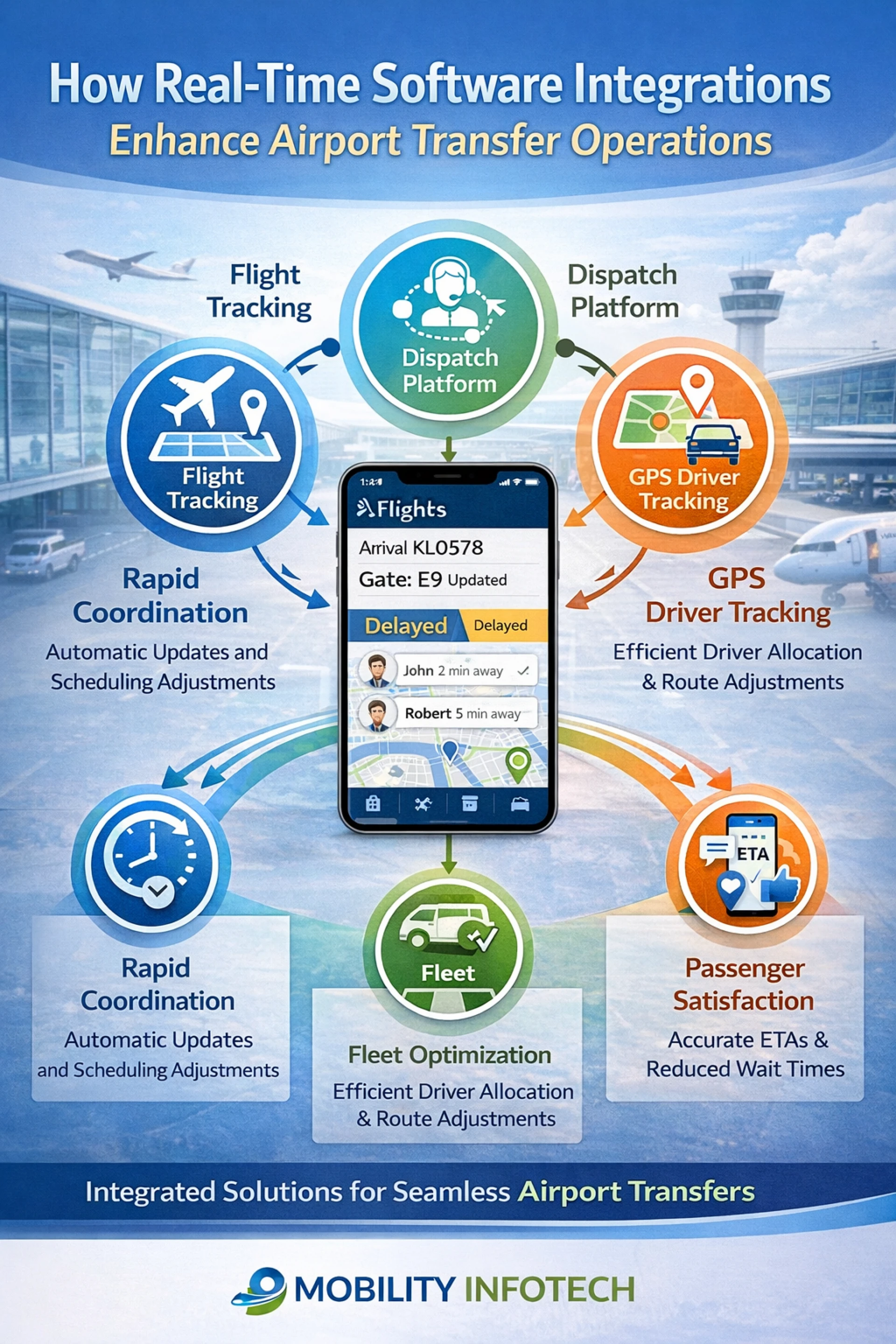
Real-time vehicle tracking allows operators to monitor shuttle movement and respond quickly to delays or route changes. Automated notifications keep passengers informed and reduce manual communication efforts.
Many of these capabilities are part of modern shuttle platforms and are highlighted in discussions around 9 new shuttle software features transforming the transportation industry.
Step 3 – Configure Routes & Scheduling
Route optimization and automated scheduling reduce travel time and fuel costs while ensuring consistent service delivery. This step ensures shuttles operate efficiently even during peak hours.
Step 4 – Train Drivers & Staff
Successful implementation depends on proper onboarding:
- Drivers learn route navigation and updates
- Operators understand dashboards and alerts
- Admin teams manage reports and analytics
- Training ensures smooth adoption and minimizes disruption.
Step 5 – Monitor Performance & Optimize
Once live, performance metrics such as punctuality, passenger feedback, and vehicle utilization help refine operations. Continuous optimization ensures long-term success.
Conclusion
Implementing shuttle management software is a strategic move for organizations seeking reliable and scalable transportation operations. With proper planning, configuration, and monitoring, shuttle software becomes a foundation for efficient shared mobility management.



























Sign in to leave a comment.