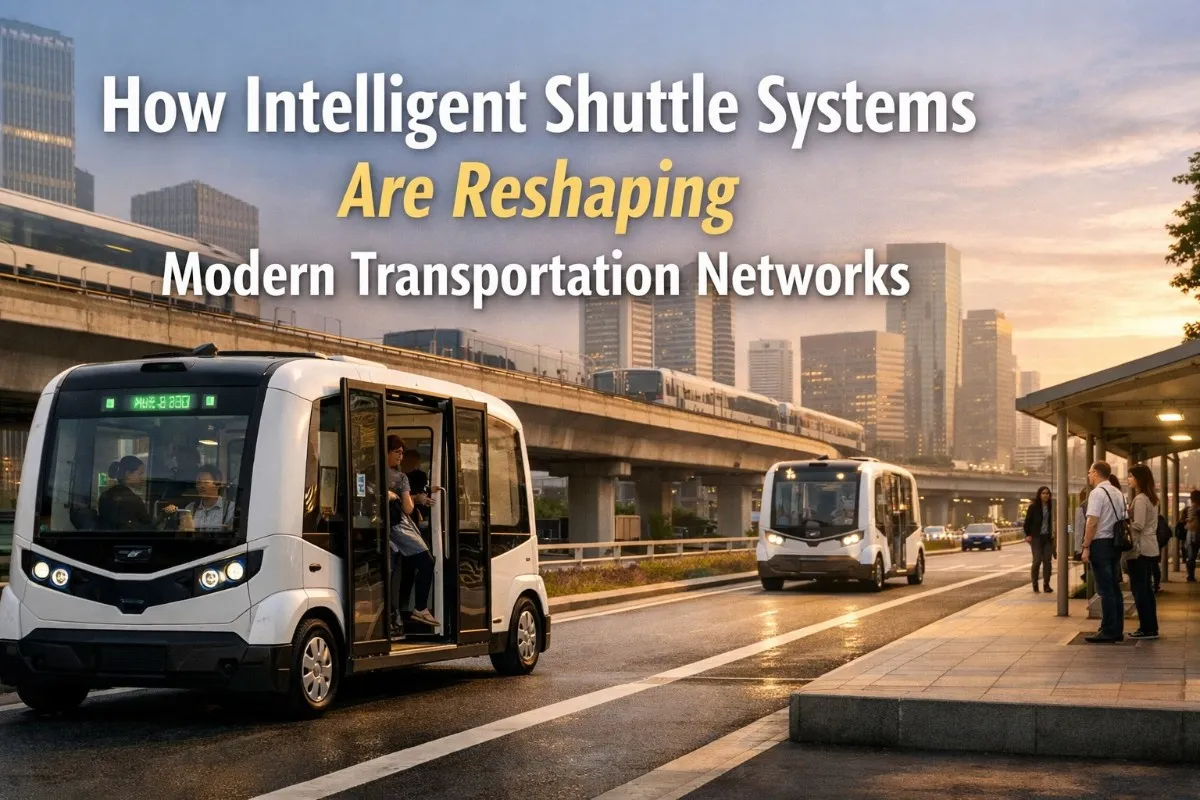
The transportation industry is undergoing a rapid transformation, driven by the need for efficiency, sustainability, and better passenger experiences. Shuttle services, which once relied heavily on manual coordination and static routes, are now evolving into highly intelligent systems powered by advanced software solutions.
From corporate employee transport to airport transfers and campus mobility, shuttle operations have become more complex than ever. Managing multiple routes, coordinating fleets, and ensuring timely communication with passengers requires more than traditional tools. This is where intelligent shuttle systems are making a significant impact.
The Growing Complexity of Shuttle Operations
Modern shuttle businesses are no longer limited to fixed routes and predictable schedules. Demand fluctuates based on time, location, and user behavior. Without proper technology, this leads to inefficiencies such as underutilized vehicles, delays, and poor customer experience.
Operators often face challenges like:
- Managing multiple routes across different locations
- Handling peak hour demand fluctuations
- Coordinating drivers and vehicles efficiently
- Communicating real-time updates to passengers
Manual processes simply cannot keep up with these evolving requirements.
The Role of Smart Scheduling in Fleet Optimization
One of the most powerful features of modern shuttle systems is intelligent scheduling. Instead of relying on static route assignments, advanced platforms use data-driven algorithms to optimize routes dynamically.
These systems consider multiple factors such as:
- Traffic conditions
- Passenger demand
- Vehicle availability
- Route efficiency
As a result, operators can reduce idle time, lower fuel costs, and maximize fleet utilization.
Dynamic scheduling also enables businesses to scale operations across multiple cities without compromising service quality. Whether it’s a corporate shuttle service or a large-scale transport network, automation plays a critical role in maintaining consistency.
Enhancing Passenger Experience Through Real-Time Communication
In today’s on-demand economy, passengers expect transparency and real-time updates. Waiting without information leads to frustration and poor service perception.
Modern shuttle platforms address this through automated notification systems. Passengers receive updates such as:
- Vehicle arrival times
- Route changes
- Trip confirmations
- Delay alerts
These notifications are typically delivered via mobile apps, SMS, or push notifications, ensuring that passengers stay informed at every stage of their journey.
This level of communication not only improves user satisfaction but also reduces the burden on customer support teams.
Centralized Control and Operational Visibility
Another major advantage of intelligent shuttle systems is centralized management. Operators can monitor all aspects of their operations from a single dashboard.
This includes:
- Real-time vehicle tracking
- Driver performance monitoring
- Route analytics
- Trip history and reports
With access to actionable insights, businesses can continuously optimize their operations and make data-driven decisions.
Use Cases Across Different Industries
Smart shuttle solutions are not limited to a single sector. They are widely used across various industries, including:
Corporate Transportation
Companies use shuttle systems to manage employee commutes efficiently, ensuring timely pickups and drop-offs while reducing transportation costs.
Airport Transfers
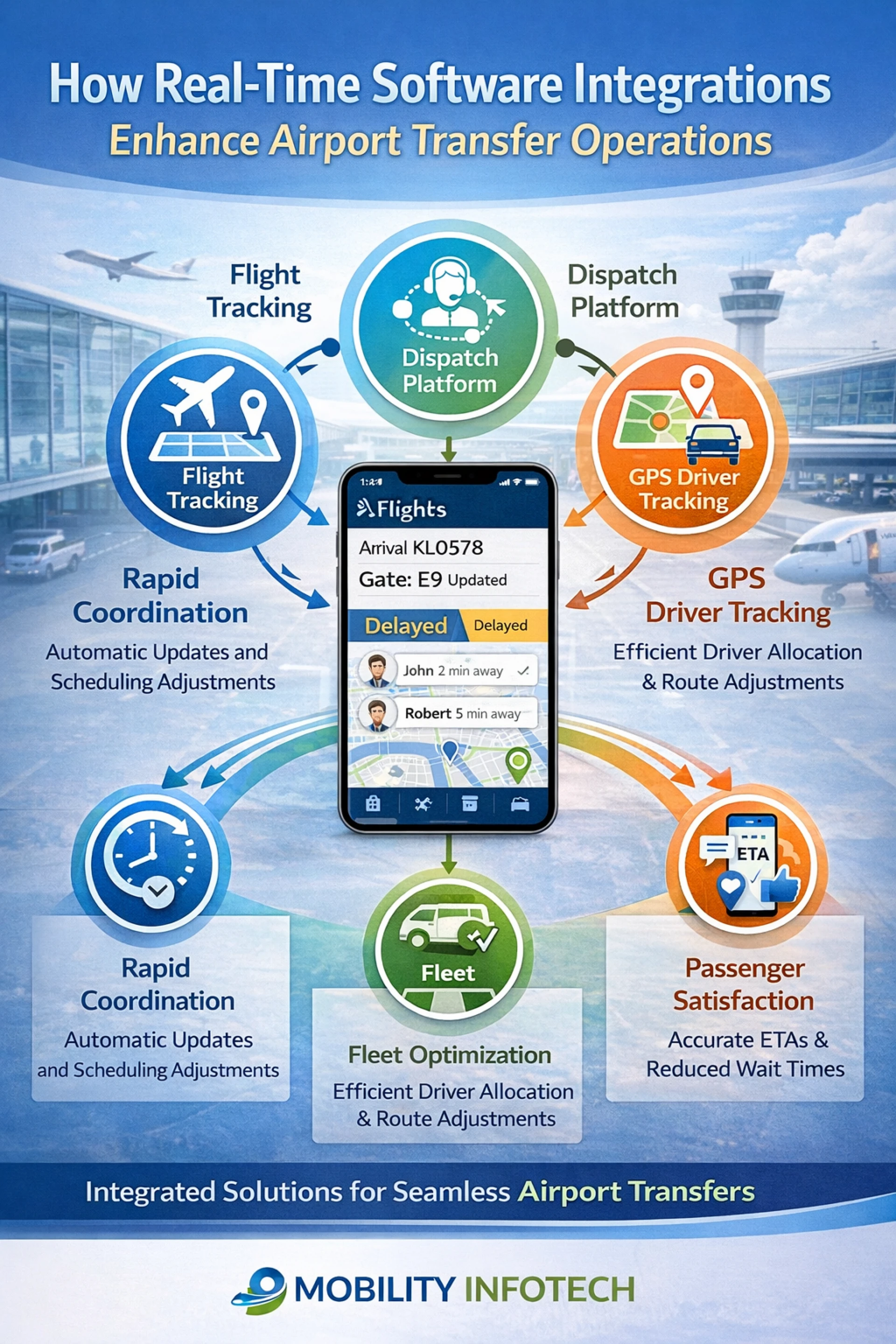
Airports and travel operators rely on shuttle systems to handle passenger transfers seamlessly, especially during peak travel seasons.
Educational Institutions
Schools and universities use shuttle management platforms to ensure student safety and efficient route planning.
Smart Cities
Urban mobility initiatives integrate shuttle services as part of broader smart city transportation networks.
Why Businesses Are Moving Toward Automation
The shift toward automation in shuttle operations is driven by several factors:
- Increased operational efficiency
- Reduced manual errors
- Better resource utilization
- Improved customer satisfaction
Businesses that adopt these technologies early gain a competitive advantage by offering reliable and scalable transportation services.
The Future of Shuttle Technology
As technology continues to evolve, shuttle systems are expected to become even more advanced. Integration with AI, IoT, and predictive analytics will further enhance route optimization and passenger experience.
Future trends may include:
- Demand-responsive transport models
- AI-based route prediction
- Integration with multimodal transport systems
- Enhanced automation and self-operating fleets
These innovations will redefine how shuttle services operate in the coming years.
Conclusion
The transformation of shuttle services from manual operations to intelligent systems marks a significant shift in the transportation industry. Businesses that invest in smart technologies can streamline operations, improve passenger satisfaction, and scale efficiently.
If you are looking to explore how these systems work in detail, you can check out this comprehensive guide on smart shuttle software with advanced route optimization and passenger alerts






















Sign in to leave a comment.