

Mass merchants dominate grocery sales through scale, and a traditional e-commerce storefront can't close that gap.
A digital experience platform with a unified ecosystem that connects every customer touchpoint can.
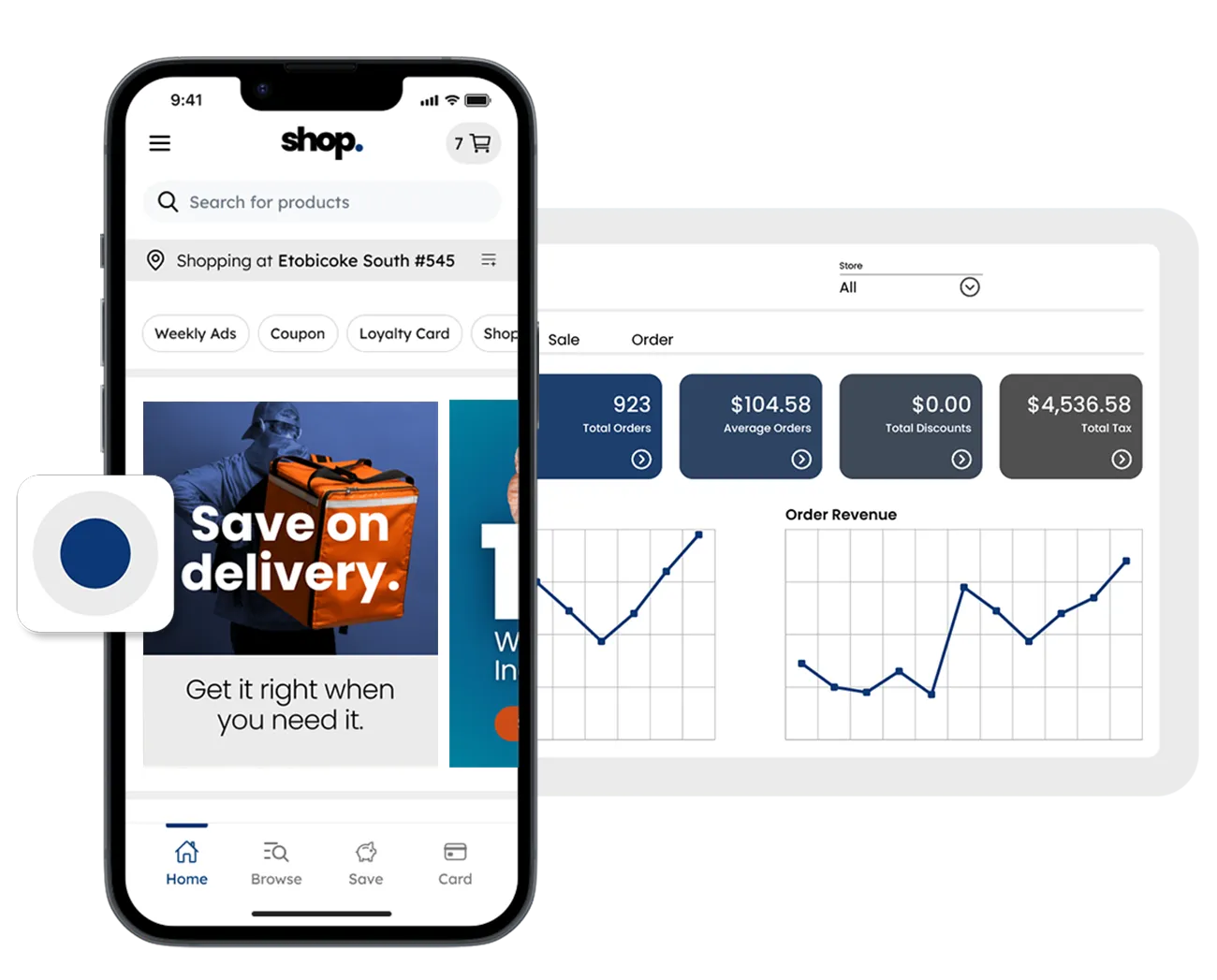
This kind of digital experience platform for grocery is the central engine that synchronizes commerce with data intelligence. Unlike legacy systems built to process transactions, it's engineered for the specific complexities of food retail, variable weight items, real-time inventory substitutions, and the grocery customer data signals that drive smarter decisions.
When customer engagement, loyalty, and fulfillment operate in separate silos, grocers face leaky margins and a disjointed shopper experience. A connected digital experience platform for grocery solves this by transforming raw data into actionable intelligence, turning online grocery fulfillment from a logistical burden into a margin-friendly operation and delivering personalized experiences that keep shoppers coming back.
Bridging the Gap Between Customer Intelligence and Sustainable Sales Growth

Retailers must convert raw data into actual revenue to survive. A digital experience platform makes this possible by connecting shopper behavior directly to the commerce engine. This alignment helps regional grocers grow without losing their unique identity.
A structured approach to information ensures that every marketing dollar works harder. Retailers can stop sending generic flyers to everyone. Instead, they provide specific value to each person who interacts with the brand. A digital experience platform for grocery ensures that this process is both smooth for the shopper and profitable for the store.
Driving Revenue through Unified Insights
The digital experience platform serves as a central brain for the entire retail operation. It gathers information from every digital touchpoint to build a clear picture of the shopper. This connectivity allows grocers to act on facts rather than guesses. By merging disparate streams of information, the platform identifies hidden patterns in purchasing habits that manual analysis might miss.
Cross-channel synchronization
A digital experience platform for grocery syncs in-store purchases with online browsing history. This creates a unified view of the customer regardless of where they choose to shop.
Predictive replenishment alerts
Unified systems identify exactly when a customer is likely to run out of a specific product. Grocers use these insights to send reminders that result in a high conversion rate and steady sales.
Regional performance visibility
Connected data helps managers see which items perform best across different store locations and regions. This allows for better stock allocation and more effective local marketing campaigns.
Automated engagement cycles
The system triggers specific messages based on customer behavior milestones and purchase gaps. This keeps the brand top-of-mind without requiring constant manual intervention from the marketing team.
Synchronized data flow helps ensure that every promotion reaches the right person at the right time. Grocers can now scale their operations by relying on automated insights rather than time-consuming manual reports.
Building a Foundation of Grocery Customer Data
Managing grocery customer data requires more than just a list of email addresses. True intelligence comes from tracking how a person interacts with specific food categories and brands. A digital experience platform organizes this information so it is ready for immediate use. Integrating a customer data platform directly into the stack allows for a deep understanding of shopper intent and long-term habits.
Preference tracking
The system tracks how often a shopper chooses organic options over conventional ones in real-time. This helps the platform present the most relevant products first during future search sessions.
Logistical favorites
The platform records preferences for specific fulfillment times and delivery methods for every account. Storing these details simplifies the checkout process and increases the speed of repeat orders.
Price and value sensitivity
Grocery customer data includes sensitivity to price changes for high-frequency items like milk or eggs. Retailers can use this to offer targeted discounts to price-sensitive customers while protecting margins elsewhere.
Historical substitution logic
The platform stores records of previous substitutions to ensure better accuracy and customer satisfaction for future orders. This reduces the number of complaints and items returned by the shopper.
Access to organized data allows regional stores to offer the same level of sophistication as global retailers. This structural advantage turns every digital interaction into a learning opportunity for the business.
Improving Online Grocery Fulfillment Performance
Success in the digital space depends on the speed and accuracy of the final handoff. Efficient online grocery fulfillment is a core part of a high-performing digital experience platform. Automation reduces the human effort needed to pick and pack every order. These tools help maintain healthy margins by decreasing the time spent on each transaction.
Real-time status updates
Real-time order tracking keeps the customer informed from the moment they pay until the bags arrive. Providing this transparency reduces the volume of support calls and improves the overall user experience.
Integrated fulfillment management
Integrated fulfillment tools help staff manage multiple orders simultaneously without making costly mistakes. These digital tools replace paper lists and provide instant feedback on item weights and prices.
Third-party service connectivity
Direct connections to third-party delivery services remove the need for manual data entry and separate account management. This allows grocers to scale their delivery reach without adding complex administrative overhead.
Refined logistical workflows ensure that the promise of speed and convenience is always met. Reliable fulfillment builds the necessary confidence for shoppers to transition more of their weekly spending to the digital storefront.
Beyond the CMS: Why Regional Grocers Require a Purpose-Built Digital Experience Platform

Regional retailers often start their digital journey with a basic Content Management System (CMS) to manage website text and images. While a CMS handles static content well, a digital experience platform manages the entire context of a shopper’s relationship with a store. This shift from simple content to complex commerce allows grocers to compete with national chains on a technical level.
Understanding the Technical Shift to a Unified DXP
A standard CMS treats a website as a collection of pages, but a digital experience platform views it as a series of connected interactions. This system connects marketing, sales, and service into one fluid environment. For regional players, moving to a digital experience platform for grocery is necessary to handle the high volume of data generated by modern shoppers.
Contextual commerce management
A digital experience platform tracks how a shopper moves through the site and adapts the interface to match their current needs. It changes what the user sees based on their previous purchases and real-time browsing habits.
Integrated customer data platform
The system acts as a customer data platform by gathering insights from every digital and physical touchpoint. This creates a deep profile that helps the store understand long-term shopping patterns rather than just single transactions.
Omnichannel delivery capability
A digital experience platform for grocery ensures that information is consistent across web browsers, mobile apps, and in-store kiosks. Shoppers can start a basket on their phone and finish it on a desktop without losing any items or data.
API-first flexibility
Modern platforms use an API-first approach to connect with existing loyalty programs and point-of-sale systems. This allows grocers to add new features or partner tools without rebuilding their entire digital storefront.
Transitioning to a unified system helps remove friction caused by disconnected tools so that marketing and operations can work together to drive measurable growth.
Navigating Grocery-Specific Logic and Complexity
A purpose-built digital experience platform for grocery includes built-in logic for the unique ways people buy food. These specialized systems help protect profit margins by handling complex orders with high accuracy.
Variable weight and pricing logic
Grocery orders involve items like produce and meat that are sold by weight rather than by unit. The digital experience platform must calculate estimated totals at checkout and adjust for final actual weights during fulfillment.
Intelligent substitution workflows
When a specific product is out of stock, the platform uses grocery customer data to suggest the most appropriate replacement. This ensures the shopper is satisfied and the store does not lose the sale to a missing item.
Perishable inventory management
Food retail requires strict adherence to expiration dates and storage temperatures. The platform tracks these variables to ensure that online grocery fulfillment teams pick the freshest items and store them correctly before pickup.
Complex tax and payment handling
The system must manage varied tax rates for different food categories and support specific payment types like SNAP/EBT. This specialized functionality is rarely found in generic platforms and requires deep industry integration.
Relying on software that understands the nuances of food retail prevents costly manual errors. These specialized features ensure that the digital storefront remains efficient and easy for both staff and customers to use.
How Unified Data Intelligence Drives Grocery Personalization

A digital experience platform centralizes data into a single intelligence layer, shifting grocers from reactive to proactive engagement to deliver the level of service modern shoppers expect.
Transforming Raw Information into Predictive Behavior
The integration of AisleOne Intelligence serves as the analytical core of the digital experience platform for grocery. By processing massive volumes of grocery customer data, the system moves beyond simple transaction history to understand the "why" behind every purchase. This deep analysis allows the platform to forecast future actions with high accuracy.
Real-time behavioral mapping
The system tracks live shopping behaviors to update search results and product rankings instantly. This ensures that every digital shelf the customer sees is personally relevant to their immediate needs.
Churn risk mitigation
Advanced algorithms monitor changes in shopping frequency and basket size to identify customers who may be shifting to a competitor. The platform then automates targeted outreach to re-engage these individuals and protect long-term loyalty.
Strategic intent analysis
By categorizing shoppers based on intent, "health-conscious," "budget-driven," and more, the platform transforms grocery customer data into content that resonates with each shopper's specific motivations, giving retailers a clear roadmap for retention and growth.
Optimizing Revenue through Retail Media and Personalization
A digital experience platform creates new revenue streams by turning digital shelf space into a high-value media asset. By leveraging a customer data platform, grocers can offer brand partners highly targeted advertising opportunities. This precision ensures that advertisements add value to the shopping experience rather than causing a distraction.
Targeted retail media optimization
Brand partners can use specific grocery customer data to place sponsored products in front of the most relevant audiences. This maximizes the return on ad spend for vendors and generates incremental high-margin revenue for the grocer.
Intelligent search and discovery
The digital experience platform for grocery prioritizes products in search results based on the individual's past preferences and current promotions. This reduces the time it takes for a customer to build a basket and increases the total average order value.
Conversion-driven ad tracking
Retailers can provide clear reports on the effectiveness of every ad placement by linking digital views directly to finalized sales. This transparency builds stronger relationships with brand partners and justifies higher media rates.
Using intelligence to power both personalization and advertising creates a virtuous cycle of growth. Customers enjoy a faster, more relevant shopping journey, while the retailer benefits from increased sales and diversified income.
The Digital Experience Platform Built for Grocery Growth
A digital experience platform eliminates the operational silos that hold regional grocers back, consolidating customer intelligence, engagement, and commerce into a single system where every interaction, from the first mobile search to online grocery fulfillment, is optimized for satisfaction and profitability.
A purpose-built digital experience platform for grocery lets independent and regional stores reclaim their brand identity while leveraging the same data sophistication as mass merchants. Smarter automation protects margins. Predictive personalization builds loyalty. And a modular platform means you scale without disruption.
Ready to see it in action? Get a demo of DXPro or explore our flexible platform options to find your fit.
Frequently Asked Questions
What is the difference between a CMS and a DXP?
A Content Management System (CMS) primarily focuses on creating, managing, and publishing text and media content to a website. In contrast, a digital experience platform is a broader ecosystem that integrates marketing, commerce, analytics, and fulfillment into a single architecture.
What are the main components of a DXP?
A high-performance digital experience platform consists of several integrated layers designed to work in harmony. These include a customer data platform for managing grocery customer data, a flexible commerce engine for transaction processing, and a personalization layer driven by AI insights.
Is WordPress a Digital Experience Platform?
WordPress is fundamentally a CMS designed for content publishing rather than a full-scale digital experience platform. While it can be extended with various third-party plugins to handle basic eCommerce, it lacks the native, deep-level integration of data intelligence and complex fulfillment logic required by modern grocers.
How does a DXP improve ROI in digital marketing?
A digital experience platform increases marketing efficiency by using grocery customer data to eliminate wasteful, generic advertising. By leveraging predictive insights from a customer data platform, retailers can deliver highly relevant offers at the exact moment a shopper is likely to buy.



























Sign in to leave a comment.