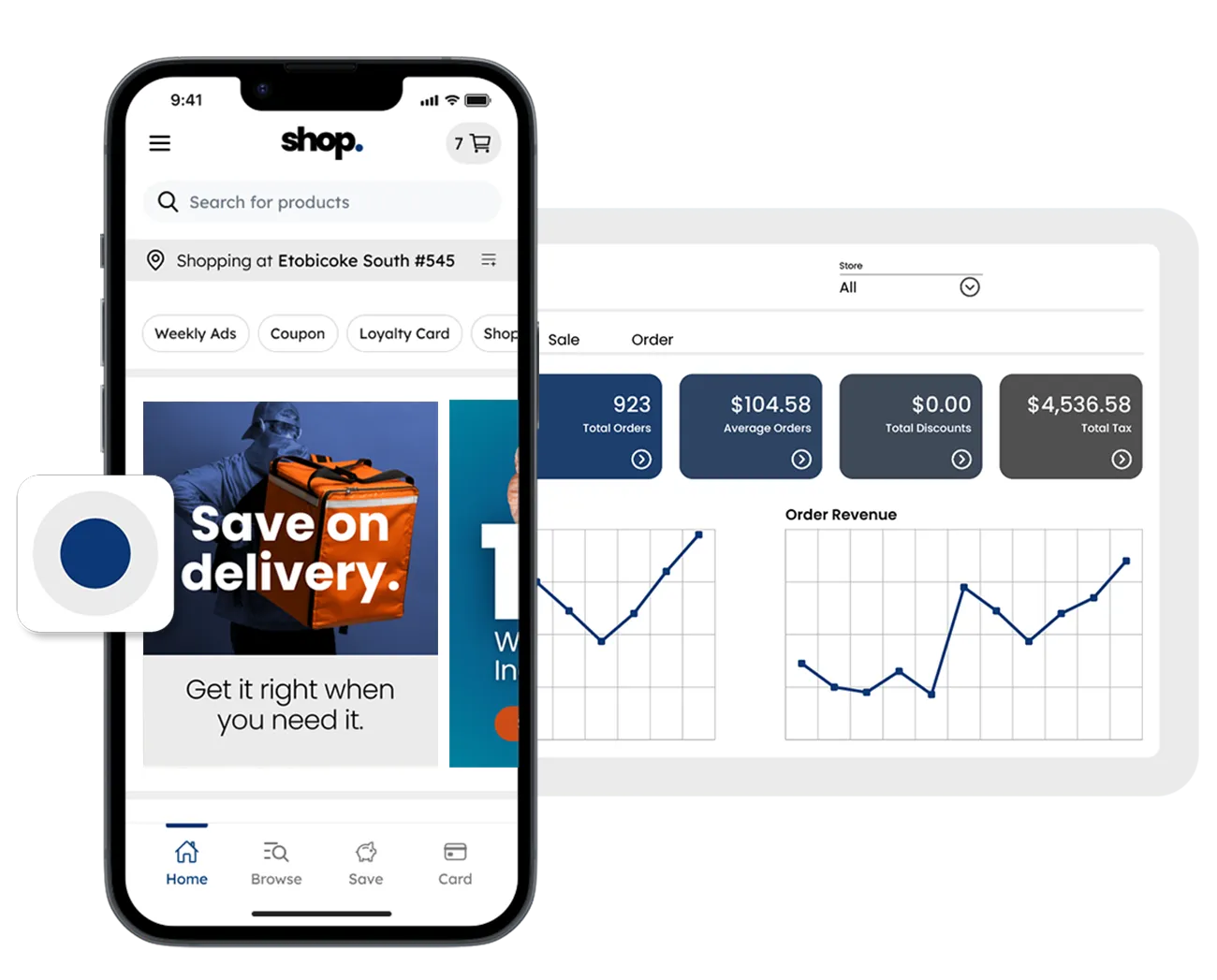

The surge in e-commerce has opened a significant growth opportunity for regional grocers, and the window to capitalize on it is wide open.
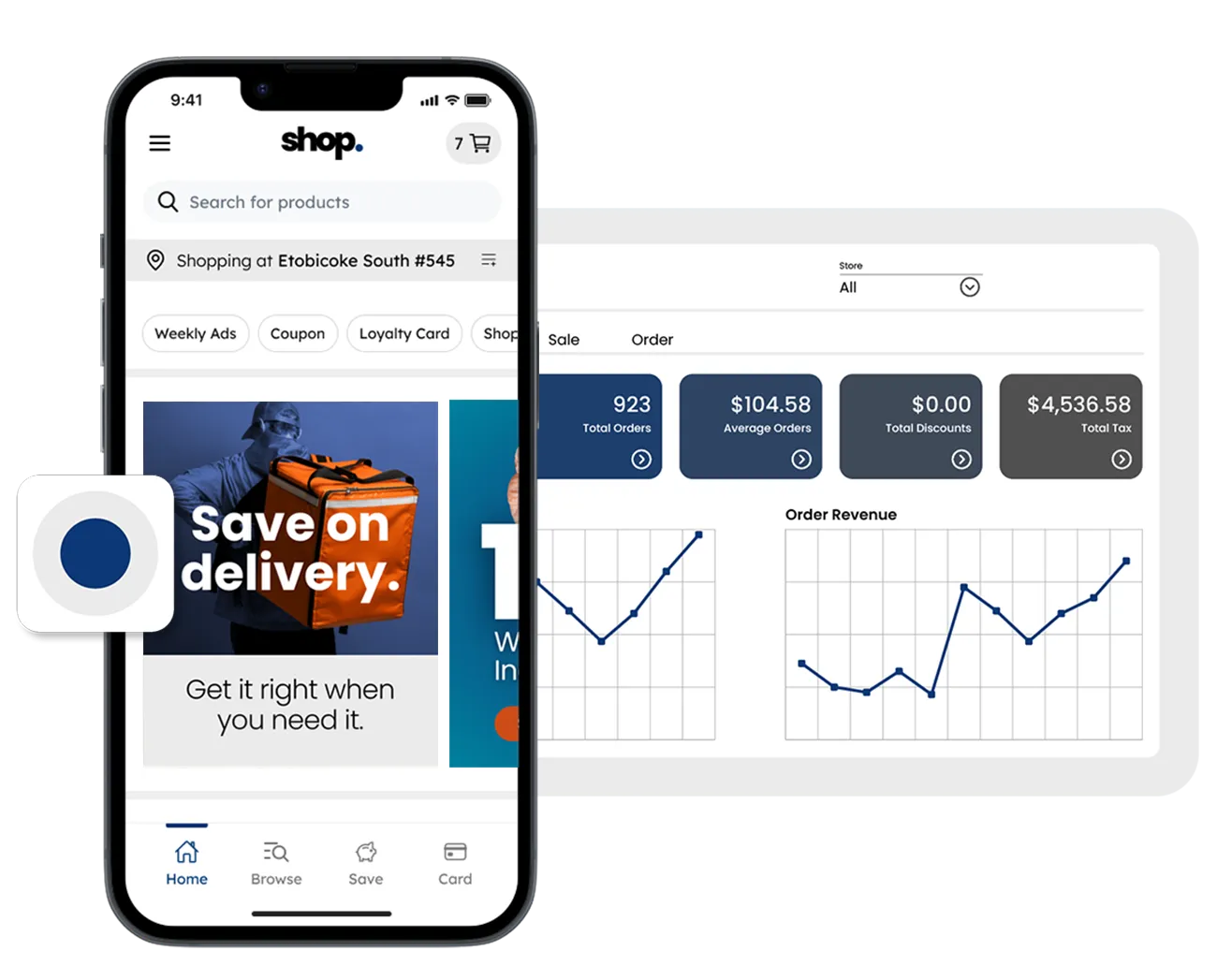
The key is knowing how to compete smartly. Matching the sub-three-hour delivery windows of Amazon and Walmart isn't the answer. Smarter online grocery fulfillment is.
Smarter means treating fulfillment as a competitive advantage rather than a cost center. A digital experience platform for grocery synchronizes store-level labor with incoming order volume so every transaction contributes to growth instead of eroding profit.
It also means reclaiming the advantages mass merchants can't replicate. Regional grocers have local proximity and community trust—but those advantages disappear when the digital experience is fragmented. Integrating grocery customer data into a single source of truth connects shopper behavior to fulfillment decisions, steering demand toward the most cost-effective windows.
The grocers who win won't be the fastest. They'll be the ones using intelligence to manage capacity, protect margins, and deliver a reliable experience that keeps shoppers coming back.
How Regional Grocers Can Achieve More From Online Grocery Fulfillment
Regional retailers must stop viewing logistics as a burden and look at it as a way to win against larger chains. Speed is just one part of the puzzle. Intelligence is the part that helps generate profit. Success comes from knowing how to use your local stores as assets rather than just warehouses.
Shifting From Physical Infrastructure to Operational Intelligence
Mass retailers spend billions on dedicated warehouses and robotics. Regional grocers do not have that capital. You can bridge this gap by using a digital experience platform for grocery to manage existing store resources and move the focus to how smart the system thinks.
Predictive demand planning
Smart systems use grocery customer data to predict when orders will arrive throughout the week. This allows managers to schedule the right number of pickers for Tuesday mornings versus Friday evenings.
Labor-based capacity limits
Operational intelligence allows you to limit orders based on how many staff members are actually working in the store. You avoid the trap of accepting fifty orders when you only have enough labor to fulfill thirty safely.
Proximity-based fulfillment
Local stores provide a proximity advantage that huge central warehouses cannot match. Distributing orders across several local nodes reduces the travel time for delivery drivers and keeps fuel costs low.
A digital experience platform turns every local store into a high-functioning node in your network. It coordinates the picking process based on the unique layout of each building. This reduces the time staff spend walking through aisles. It ensures that online grocery fulfillment stays organized even when the physical store is crowded with foot traffic.
Strategic Decision Making for Margin Security
Profitability depends on the choices you make before the first item is picked. You must decide which orders are worth taking and when to fulfill them. Randomly accepting every order can lead to wasted labor and high overhead. A strategic approach helps you protect the narrow margins found in the food industry.
Channel profitability incentives
You should offer incentives for customers to choose pickup over home delivery. Picking up at the curb eliminates the high cost of third-party delivery fees and keeps more profit in your pocket.
High-volume slot management
High-volume periods require stricter limits on delivery slots to prevent backlogs. Slowing down the intake of orders during a rush prevents pickers from falling behind and making errors.
Staging area monitoring
Real-time tracking helps managers see where bottlenecks form in the staging area. Identifying a full cooler or a crowded pickup lane allows you to reroute labor to the specific problem area immediately.
Margin-focused data insights
Every decision should be backed by insights from your customer data platform. You can identify which fulfillment times are the most expensive and adjust your pricing or availability accordingly.
By using a digital experience platform for grocery, you gain a clear view of your costs. You can see the exact labor expense for every order type. This transparency allows you to adjust your online grocery fulfillment strategy on the fly. You can prioritize high-value customers when resources are low.
Leveraging Local Credibility and Proximity
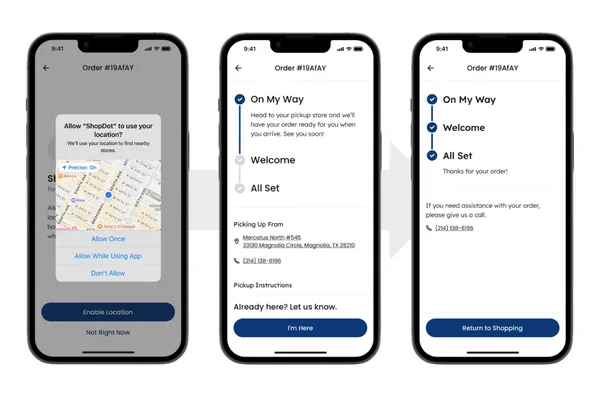
Regional grocers have deep roots in their communities. Customers trust your brand for quality and fresh selection. You can use this trust to compete without needing the fastest delivery times. Reliability often matters more to a family than getting groceries in sixty minutes.
Personalized digital journeys
A customer data platform helps you personalize the digital shopping trip for every user. You can suggest items based on past purchases and ensure the online experience feels like a visit to a local store.
Reliability over velocity
Consistent service builds a habit that keeps shoppers from switching to competitors. Most customers prefer an order that is 100% accurate tomorrow over an order that is 80% accurate in two hours.
Last-mile agility
Local stores can handle last-minute changes more easily than a distant warehouse. If a customer is running late for a pickup, your store team can simply hold the order in the fridge until they arrive.
The right technology helps you maintain this local feel at scale. It connects your grocery customer data to the fulfillment floor. This ensures the picker knows exactly what the customer prefers for substitutions. Personal touches like this are hard for national giants to replicate. You win by being the most dependable option in the neighborhood.
Why Regional Grocers Achieve More by Competing on Intelligence Not Speed
Attempting to replicate the delivery velocity of national giants without their specialized infrastructure is a recipe for fiscal trouble. Most regional stores were designed for foot traffic, not high-speed logistics.
The High Cost of Keeping Pace with Sub-Three-Hour Delivery
Attempting to match the sub-three-hour delivery windows offered by Amazon or Walmart often forces grocers to over-hire. They often over-rely on expensive third-party delivery partners to fill the gaps. These models frequently involve heavy commission fees that eat into small margins.
Negative unit economics
Fulfillment costs for online grocery fulfillment often exceed the total gross margin of the order itself. When you add the cost of picking labor to third-party delivery fees, many stores lose money on every digital transaction.
Infrastructure investment gap
Mass retailers spend billions on automated centers and dedicated delivery fleets. Regional grocers lack this capital and must rely on manual labor in crowded store aisles to compete on speed.
Third-party fee escalation
Relying on external platforms to provide speed creates a dependency on their pricing. These platforms often control the grocery customer data, leaving the retailer with the operational work but none of the long-term shopper insights.
Promising extreme speed creates a marketing hook that the physical store cannot always support. When the store fails to deliver on a sixty-minute promise, the brand loses more credibility than if it had offered a realistic timeframe.
The Ripple Effect of Operational Chaos
When a store prioritizes speed above all else, the internal culture begins to fracture. The rush to meet artificial deadlines creates a high-pressure environment for staff. This pressure quickly moves from the backroom to the customer-facing areas of the business.
Picking path inefficiency
Without a digital experience platform for grocery, pickers often wander aisles aimlessly. This lack of direction leads to fatigue and slower fulfillment times as employees struggle to navigate around in-store shoppers.
Rising turnover rates
Store associates often feel overwhelmed by impossible workflows and aggressive timers. This leads to burnout and high turnover, which forces the store to spend more on constant training for new hires.
Deteriorating customer experience
When pickers are rushed, order accuracy drops. Customers receive bruised produce or incorrect substitutions because the staff did not have the time to check the grocery customer data for specific preferences.
Staging area bottlenecks
Speed at the picking stage is useless if the staging area is a mess. Orders pile up in hallways or crowded coolers, causing delays for curbside pickup customers who are already waiting in the parking lot.
A digital experience platform helps stop this cycle by providing order visibility. It allows managers to see where the pressure is building before it leads to a breakdown.
Future-Proofing Your Grocery Business for Sustainable Growth
Sustainable online grocery fulfillment isn't built on speed—it's built on control. Aligning order volume with real labor availability eliminates the over-promise cycle and protects unit margins without sacrificing the customer experience.
Connected grocery customer data is what makes this possible. When fulfillment systems have access to real shopper insights, grocers can steer demand toward profitable windows and suggest substitutions customers actually want.
Reliability wins. Shoppers stay loyal to the regional brand that gets it right every time.
Frequently Asked Questions
What is the most cost-effective grocery fulfillment model?
The most cost-effective model for regional grocers is typically a hybrid approach that prioritizes Buy Online, Pick Up In-Store (BOPIS) and curbside pickup over home delivery. By using a digital experience platform for grocery to manage in-store labor and scheduling, retailers eliminate expensive last-mile delivery fees and third-party commissions while keeping customers engaged with their physical brand.
How does a digital experience platform improve online grocery fulfillment margins
A digital experience platform for grocery helps improve fulfillment margins by synchronizing store-level labor with incoming order volume, steering demand toward cost-effective pickup windows, and connecting grocery customer data to real-time substitution decisions. This helps reduce wasted labor, lower reliance on expensive third-party delivery fees, and help ensure every order contributes to profitability.
What is the difference between manual and automated grocery picking?
Manual picking relies on store associates navigating aisles with scanners or paper lists, a labor-intensive process prone to errors and inefficiency during peak periods. Automated picking uses robotics and smart software to bring items directly to a stationary picker, significantly improving accuracy and throughput. For regional grocers not yet ready for full automation, a digital experience platform for grocery can optimize manual picking paths and reduce errors through real-time grocery customer data, delivering meaningful efficiency gains without the capital investment of a fully automated system
How can retailers reduce "out-of-stock" rates in online orders?
Retailers reduce "out-of-stock" rates by integrating their online grocery fulfillment system with real-time grocery customer data and inventory management tools. This synchronization allows the digital experience platform to automatically hide unavailable items from the storefront or suggest intelligent, data-driven substitutions that the customer is likely to accept.























Sign in to leave a comment.