
Introduction
Maintaining high product consistency is one of the biggest challenges in the paint manufacturing industry. For companies operating a paint production line, even small variations in color, texture, or viscosity can affect customer satisfaction and brand reputation. Many factors influence product quality, from raw material selection to the equipment used during production. Understanding these variables and implementing best practices ensures that every batch meets strict quality standards. Consistency is not just about aesthetics; it also affects the paint’s performance, durability, and application ease.
Investing in a reliable paint production line and optimizing its processes can significantly reduce inconsistencies. Modern advancements in production technology, such as automated mixing systems and bead milling equipment, allow manufacturers to maintain precise control over particle size and pigment dispersion. By combining technical knowledge with process optimization, paint manufacturers can deliver high-quality products batch after batch. A systematic approach ensures minimal waste, better efficiency, and a more predictable output, which is crucial in today’s competitive market.
Understanding the Role of Raw Materials
The quality of raw materials is a major determinant of paint consistency. Pigments, solvents, resins, and additives must meet strict specifications to ensure uniform mixing and predictable performance. Variations in pigment particle size or resin viscosity can lead to color differences or texture problems in the final product. For a paint production line, sourcing consistent raw materials from reputable suppliers minimizes the risk of inconsistencies and reduces the need for corrective measures during production.
Proper storage and handling of these materials also play a key role. Temperature fluctuations, exposure to moisture, and contamination can alter their properties, impacting the final product. Implementing quality control checks at the raw material stage, such as testing pigment dispersion and resin viscosity, helps maintain high standards. Consistently monitoring these inputs ensures that the paint production line operates smoothly and produces a uniform product with each batch.
Optimizing Equipment and Machinery
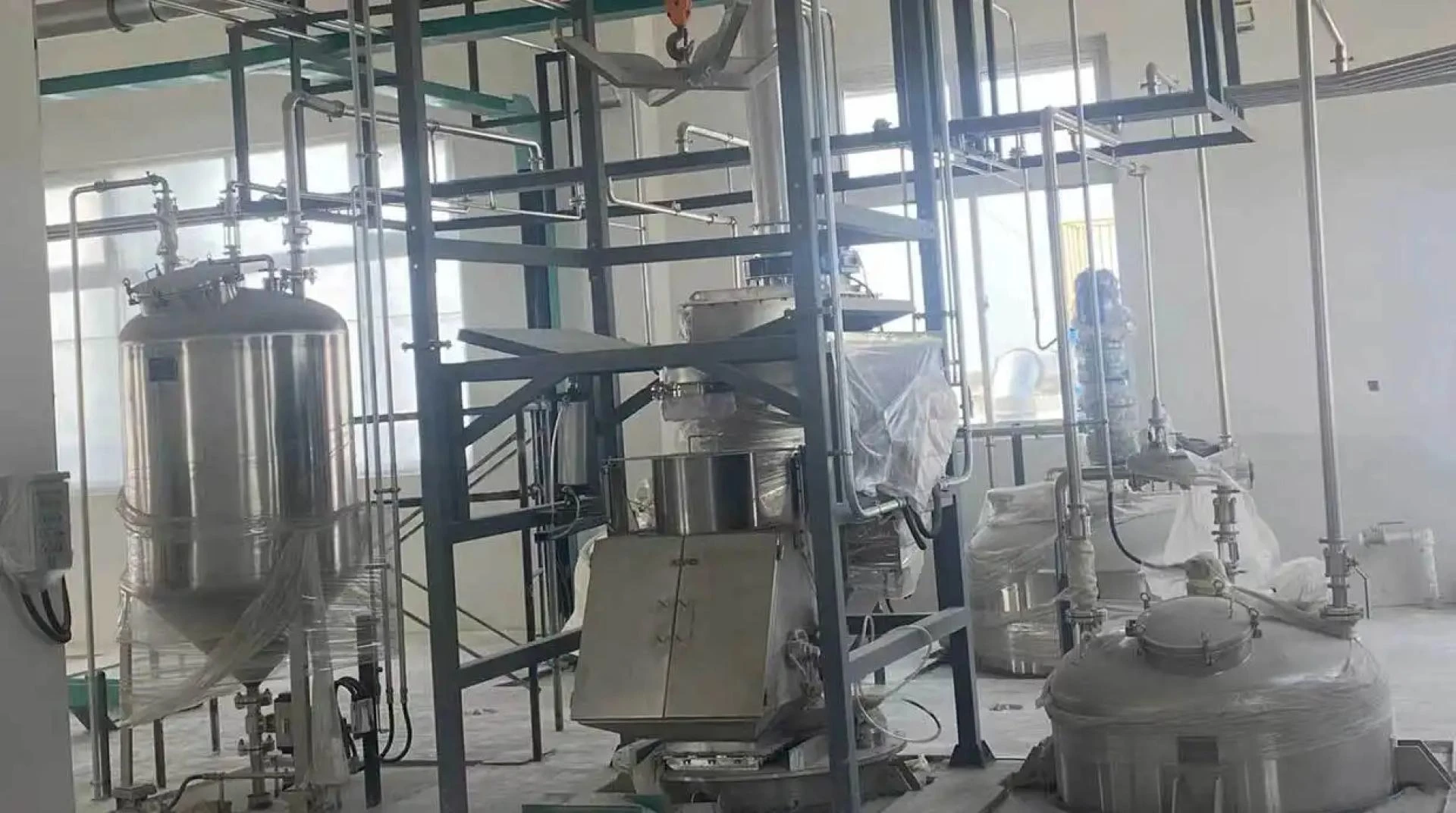
Efficient machinery is essential for achieving product consistency. In a paint production line, equipment like dispersers, bead mills, and mixers must function optimally to ensure uniform particle size and proper pigment dispersion. Malfunctioning or poorly calibrated machinery can cause uneven mixing, resulting in color variations or inconsistent viscosity. Regular maintenance and calibration of equipment are critical to maintaining a stable production process.
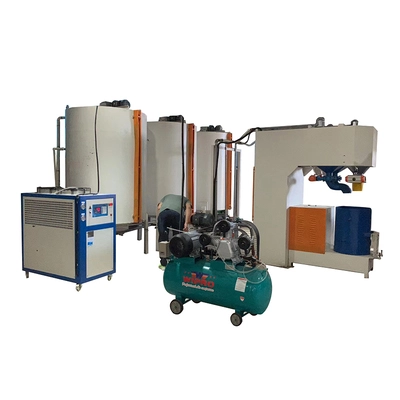
Automation also plays a significant role in modern paint production. Automated controls can regulate mixing speed, temperature, and pressure with high precision, reducing human error. Integrating sensors and monitoring systems allows manufacturers to detect deviations early and make timely adjustments. Optimizing machinery not only enhances product consistency but also increases efficiency and reduces production costs over time.
Implementing Standardized Processes
Standard operating procedures are crucial for maintaining uniformity in paint production. A standardized process ensures that every batch follows the same steps, from raw material weighing to final packaging. This includes defined mixing times, speeds, and temperature settings, which directly affect the quality of the paint. By adhering to strict protocols, manufacturers can minimize variations and deliver consistent results.
Employee training is another critical aspect. Operators must understand the importance of following standard procedures and be able to identify issues in the production line. Documentation of every production batch, including raw materials, machine settings, and environmental conditions, helps track potential inconsistencies and provides valuable data for process improvement. Standardization creates a predictable and reliable paint production line that consistently meets quality requirements.
Monitoring Quality Throughout Production
Continuous quality monitoring is vital to maintaining product consistency. In a paint production line, checks should occur at multiple stages, including raw material inspection, intermediate mixing, and final product evaluation. Parameters such as color, viscosity, pH, and particle size must be monitored to ensure they remain within predefined tolerances. Early detection of deviations prevents large-scale defects and reduces the need for costly rework.
Advanced analytical tools, such as inline spectrophotometers and particle size analyzers, help manufacturers measure quality parameters in real-time. By integrating these tools into the production line, operators can make immediate adjustments and maintain consistent quality. Regular quality audits and sample testing reinforce a culture of precision, ensuring that every batch delivered to customers meets the expected standards.
Leveraging Advanced Mixing and Dispersion Techniques
Modern paint production lines rely on advanced mixing and dispersion methods to achieve optimal results. Bead milling, for example, is widely used to achieve fine pigment dispersion, resulting in uniform color and smooth texture. Proper selection of bead size, milling speed, and duration can dramatically improve product consistency and reduce the likelihood of settling or uneven coverage.
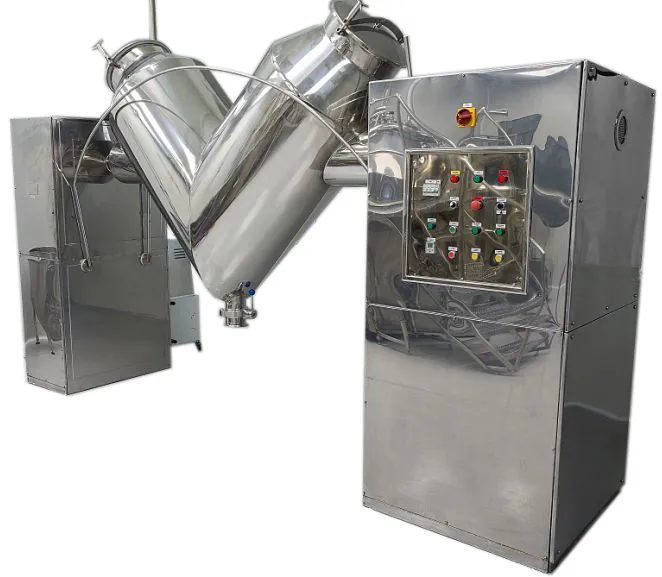
In addition to bead milling, high-speed dispersers and planetary mixers contribute to uniform blending of resins, pigments, and additives. Optimizing these processes reduces clumping, improves gloss, and enhances overall performance. By investing in advanced technology and continuously fine-tuning these methods, paint manufacturers can produce high-quality, consistent products that meet both aesthetic and functional expectations.
Continuous Improvement and Feedback Loops
Maintaining consistency is an ongoing effort that requires continuous improvement. Establishing feedback loops in a paint production line helps manufacturers identify recurring issues and implement corrective actions. Analyzing production data, monitoring customer feedback, and reviewing quality reports provide insights that drive process enhancements.
Regular evaluation of production processes, coupled with staff training and equipment upgrades, ensures that consistency remains a top priority. By fostering a culture of continuous improvement, manufacturers can adapt to changing raw material characteristics, market demands, and technological advancements. A proactive approach not only sustains high-quality output but also strengthens a brand’s reputation in the competitive paint industry.
Conclusion
Improving product consistency on a paint production line requires a combination of high-quality raw materials, optimized machinery, standardized processes, and continuous monitoring. By leveraging advanced mixing techniques and maintaining strict quality control, paint manufacturers can minimize variations and deliver reliable, high-performing products. Continuous improvement and feedback loops further ensure that consistency remains a cornerstone of production. Companies that invest in these strategies not only enhance operational efficiency but also build lasting trust with customers, ultimately securing long-term success in the competitive paint market.




























Sign in to leave a comment.