
In the world of lifting and rigging, safety is a top priority. Lifting slings and shackles are essential components that facilitate the safe handling of heavy loads in various industries, including construction, manufacturing, and shipping. These tools, while robust and reliable, can experience wear and tear over time, making regular inspection and maintenance critical to ensure their integrity and safety. This article will provide a comprehensive guide on how to inspect and maintain lifting slings and shackles, ensuring they remain in optimal condition for safe lifting operations.
Understanding Lifting Slings and Shackles
Before diving into inspection and maintenance practices, it is important to understand what lifting slings and shackles are and their functionality in rigging operations.
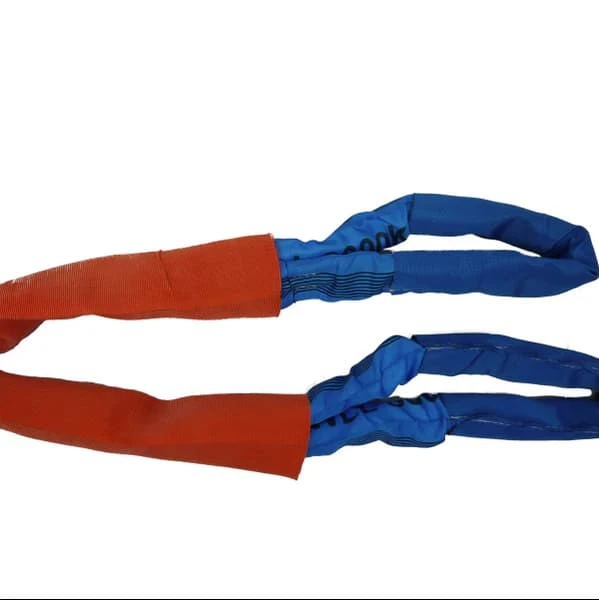
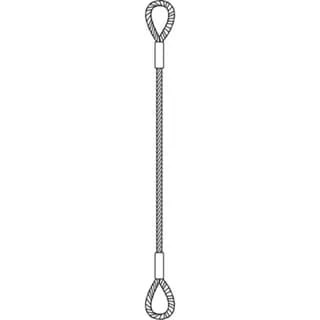
Lifting slings are flexible straps or cables used to lift and secure loads. They can be made from various materials, including polyester, nylon, and wire rope, each offering different strengths and applications. Slings come in various configurations, such as single-leg, two-leg, and multi-leg slings, allowing for versatility in lifting tasks.
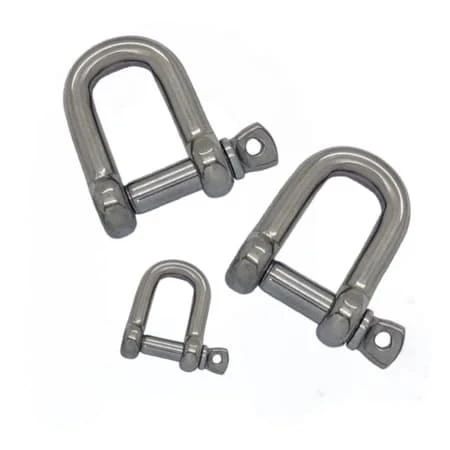
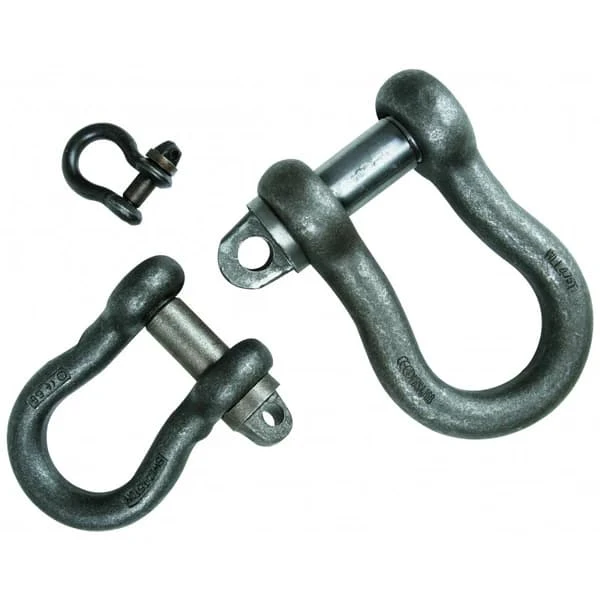
Shackles, on the other hand, are metal devices shaped like a U, with a pin or bolt used to connect lifting slings to loads and hoisting equipment. They are available in different styles, including D-shackles and bow shackles, each suited for specific applications. Together, lifting slings and shackles form a crucial part of the rigging system, enabling safe and efficient lifting operations.
The Importance of Inspection
Regular inspection of lifting slings and shackles is vital for maintaining safety in lifting operations. Over time, these tools can be subjected to various stresses, including abrasion, corrosion, and fatigue, which can compromise their integrity. Failing to conduct routine inspections can lead to catastrophic failures, resulting in dropped loads, damage to equipment, and injuries to personnel.
Identifying Wear and Damage
During inspections, operators should be vigilant in identifying signs of wear and damage. Common issues to look for include:
- Cuts and Abrasions: Inspect the surface of lifting slings for any cuts, fraying, or abrasions that may indicate the sling is compromised. Even small damages can weaken the sling’s overall strength.
- Deformation: For shackles, check for any bends, twists, or deformation in the metal. A deformed shackle may not function correctly and should be replaced.
- Corrosion and Rust: Examine both slings and shackles for signs of corrosion or rust. Corrosion can significantly reduce the load-bearing capacity of these tools.
- Pin Condition: Ensure that the pins of shackles are in good condition. Look for signs of wear, bending, or damage, as a compromised pin can lead to failure.
Conducting Effective Inspections
To ensure thorough inspections, operators should follow a systematic approach. Here are some best practices for inspecting lifting slings and shackles:
1. Develop a Regular Inspection Schedule
Establishing a regular inspection schedule is crucial for maintaining lifting equipment. Inspections should be conducted:
- Before each use: A pre-use inspection helps identify any immediate issues that could compromise safety during lifting operations.
- Periodically: Depending on the frequency of use, lifting slings and shackles should be inspected at regular intervals, such as weekly, monthly, or quarterly.
2. Use a Detailed Inspection Checklist
Having a detailed inspection checklist can streamline the process and ensure that all aspects of the slings and shackles are examined. This checklist should include:
- Visual inspection for cuts, abrasions, and signs of wear.
- Examination of load-bearing capacity and markings for compliance.
- Checking for corrosion and rust on both slings and shackles.
- Assessing the condition of pins, bolts, and connectors.
3. Document Inspection Findings
Keeping accurate records of inspections is essential for tracking the condition of lifting slings and shackles over time. Documentation should include:
- Date of inspection
- Inspector’s name
- Observations and findings
- Any corrective actions taken
This information is valuable for identifying trends in wear and tear and demonstrating compliance with safety regulations.
Maintenance Practices for Lifting Slings and Shackles
In addition to regular inspections, implementing proper maintenance practices is crucial for extending the lifespan of lifting slings and shackles. Here are some key maintenance tips:
1. Clean After Use
After each use, lifting slings and shackles should be cleaned to remove dirt, debris, and contaminants that could lead to corrosion. Cleaning can be done using mild soap and water, followed by thorough rinsing and drying. Avoid using harsh chemicals or abrasive materials that could damage the slings or shackles.
2. Store Properly
Proper storage of lifting slings and shackles is essential for preventing damage. Slings should be stored in a clean, dry environment, away from direct sunlight and extreme temperatures. Using protective sleeves or bags can help shield slings from abrasion and environmental factors. Shackles should be stored in a manner that prevents them from becoming tangled or damaged.
3. Use the Right Equipment
When using lifting slings and shackles, it is essential to choose the right equipment for the specific lifting task. Ensure that the Working Load Limit (WLL) of the sling and shackle is adequate for the weight of the load being lifted. Overloading can lead to failure, resulting in serious accidents.
4. Train Personnel
Training personnel involved in lifting operations is vital for ensuring safe practices. Workers should be educated on how to properly inspect, maintain, and use lifting slings and shackles. Providing ongoing training can reinforce the importance of safety and help create a culture of awareness within the workplace.
Recognizing When to Replace Equipment
Despite regular inspections and maintenance, lifting slings and shackles will eventually reach the end of their useful life. It is important to recognize when equipment should be replaced to ensure safety during lifting operations. Signs that lifting slings need to be replaced include:
- Significant cuts or abrasions that compromise integrity.
- Visible signs of corrosion or rust that cannot be remedied.
- Deformation or bending that affects functionality.
- Loss of elasticity or strength in the sling material.
For shackles, any visible cracks, deformation, or wear to the pin should prompt immediate replacement. Always err on the side of caution when determining whether to replace lifting equipment.
Conclusion: Prioritizing Safety through Inspection and Maintenance
In conclusion, proper inspection and maintenance of lifting slings and shackles are essential for ensuring safety and efficiency in lifting operations. By conducting regular inspections, identifying signs of wear and damage, and implementing effective maintenance practices, organizations can significantly reduce the risks associated with lifting equipment.
Investing in proper training and establishing a culture of safety within the workplace further enhances the effectiveness of these efforts. For those looking to improve their lifting practices and prioritize safety, consider implementing a comprehensive inspection and maintenance program for your lifting equipment. To explore a wide range of lifting solutions and equipment tailored to your needs, visit UK Lifting Store today and take the first step toward safer and more efficient lifting operations!


























Sign in to leave a comment.