
When it comes to rigging and lifting operations, the importance of using the right equipment cannot be overstated. Among the essential tools in this domain are lifting shackle—critical components that connect various rigging elements and play a vital role in ensuring the safety and efficiency of lifting tasks. However, improper use of shackles can lead to catastrophic failures, resulting in costly damages or even severe injuries. Therefore, understanding the best practices and safety tips for using lifting shackles is crucial for anyone involved in rigging operations.
Understanding Lifting Shackles: Types and Applications
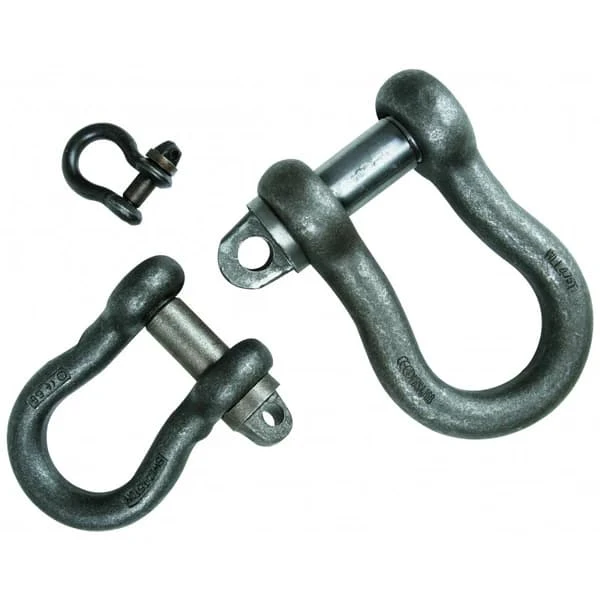
Before delving into safety tips, it's essential to understand what lifting shackles are and how they function. A lifting shackle is a U-shaped piece of metal with a pin or bolt across the open end, used to connect loads to lifting equipment such as cranes, hoists, or slings. Shackles come in various types, including bow shackles and D-shackles, each designed for specific applications.
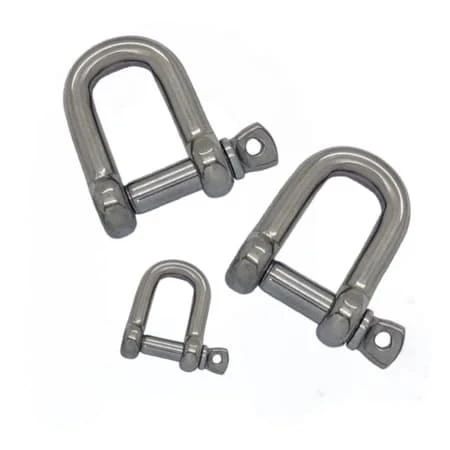
Bow shackles are characterized by their rounded shape, allowing for multi-directional loading, making them ideal for lifting large, bulky items. On the other hand, D-shackles have a more linear design and are better suited for applications where loads need to be lifted in a straight line. Understanding the type of shackle needed for a specific task is the first step toward ensuring safety in rigging operations.
Inspecting Shackles Before Use
One of the most critical safety tips when using lifting shackles is to conduct a thorough inspection before every use. Shackles endure significant wear and tear, and even minor defects can compromise their integrity. Inspecting shackles for visible signs of damage, such as cracks, bends, or corrosion, is essential. If any of these issues are observed, the shackle should be immediately removed from service and replaced.
Additionally, ensure that the shackle is appropriately sized for the load being lifted. The Working Load Limit (WLL) of the shackle should be clearly marked, and it is vital to adhere to these limits. Overloading a shackle can lead to failure, causing serious accidents. By ensuring that shackles are in good condition and properly rated, riggers can significantly reduce the risk of incidents during lifting operations.
Properly Connecting Shackles
Properly connecting lifting shackles is another crucial aspect of safe rigging practices. It’s essential to ensure that the pin is securely fastened and that the shackle is aligned correctly with the load. Misalignment can lead to uneven weight distribution, increasing the risk of failure.
When connecting shackles, it is vital to use the correct type of pin for the specific shackle being used. Some shackles come with safety pins or locking mechanisms designed to prevent accidental disengagement. Utilizing these features can provide an extra layer of safety during lifting operations.
Moreover, riggers should avoid using shackles that are painted or coated, as these finishes can hide underlying issues such as corrosion or damage. A bare metal surface is ideal for inspecting shackles thoroughly, ensuring their reliability before use.
Understanding Load Dynamics
Understanding the dynamics of the load being lifted is essential for safe rigging. Factors such as the center of gravity, load weight, and environmental conditions can significantly affect how a load behaves during lifting. For instance, loads with an uneven weight distribution can shift unexpectedly, posing a risk to both the equipment and personnel involved.
When using lifting shackles, it is vital to calculate the total weight of the load and ensure that the shackles used can accommodate this weight. Additionally, riggers should consider the impact of dynamic forces, such as swinging or sudden movements, which can exert additional stress on the shackles. By taking these dynamics into account, riggers can make informed decisions about the appropriate equipment and techniques to use.
Avoiding Shock Loading
Shock loading occurs when a load is subjected to sudden force or impact, which can significantly exceed the WLL of the equipment involved. This phenomenon can lead to catastrophic failures, especially in lifting operations. To mitigate the risk of shock loading, riggers should always use slow, controlled movements when lifting and lowering loads.
It’s also advisable to avoid sudden starts and stops during lifting operations. If the load is expected to move dynamically—such as in the case of materials that may swing or shift—riggers should use additional safety measures, such as tag lines, to control the load's movement. By being mindful of the potential for shock loading and taking proactive measures, riggers can enhance safety during lifting operations.
Training and Certification
Safety in rigging operations relies heavily on the knowledge and skills of the personnel involved. Therefore, ensuring that all rigging staff are adequately trained and certified is crucial. Training programs should cover various aspects of rigging, including the proper use of lifting shackles, load calculations, and safety protocols.
Regular training refreshers can help reinforce safe practices and keep staff updated on the latest industry standards and regulations. Additionally, encouraging open communication among team members can foster a culture of safety, where individuals feel empowered to voice concerns or ask questions regarding lifting operations.
Using Appropriate Personal Protective Equipment (PPE)
In addition to understanding the equipment and techniques involved in rigging, using the right personal protective equipment (PPE) is essential for ensuring safety. Rigging operations can expose workers to various hazards, including falling objects, pinch points, and noise.
PPE such as hard hats, gloves, safety glasses, and steel-toed boots should be standard attire when conducting lifting operations. Depending on the environment, additional gear, such as harnesses or ear protection, may also be necessary. By equipping personnel with the appropriate PPE, organizations can further mitigate the risk of injuries in the workplace.
Regular Maintenance and Care for Shackles
Proper maintenance and care of lifting shackles are vital for ensuring their longevity and reliability. After every use, shackles should be cleaned to remove dirt, debris, or corrosive substances that could compromise their integrity. It is also advisable to store shackles in a dry, clean environment to prevent rust and corrosion.
Additionally, implementing a regular inspection and maintenance schedule can help identify any potential issues before they become significant problems. This proactive approach to maintenance not only enhances safety but also extends the lifespan of the equipment, ultimately reducing costs for organizations.
Conclusion: Prioritizing Safety in Rigging Operations
In conclusion, the safe use of lifting shackles in rigging operations is fundamental to ensuring both worker safety and operational efficiency. By adhering to best practices such as thorough inspections, proper connections, understanding load dynamics, and providing adequate training, organizations can significantly reduce the risks associated with lifting operations.
For those looking to enhance their rigging safety practices, consider investing in high-quality lifting equipment and prioritizing ongoing training for your team. To explore a wide range of lifting solutions that meet your needs, visit UK Lifting Store today and take the first step toward safer rigging operations!























Sign in to leave a comment.