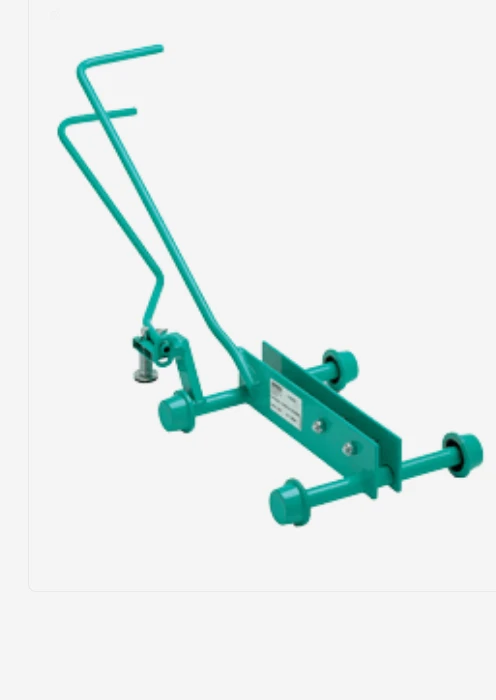

Installing an IMER scaffold hoist pole correctly is essential for ensuring safety, efficiency, and reliability on construction sites. This equipment is designed to lift heavy materials vertically, reducing manual labor and speeding up project timelines. Proper installation and maintenance of the hoist pole are crucial for achieving optimal performance and preventing accidents. Understanding the correct procedures, safety considerations, and common mistakes can make a significant difference in daily operations.
Understanding the IMER Scaffold Hoist Pole
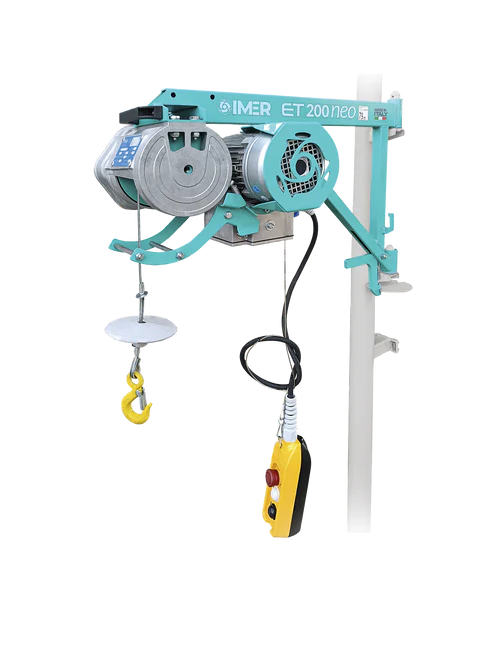
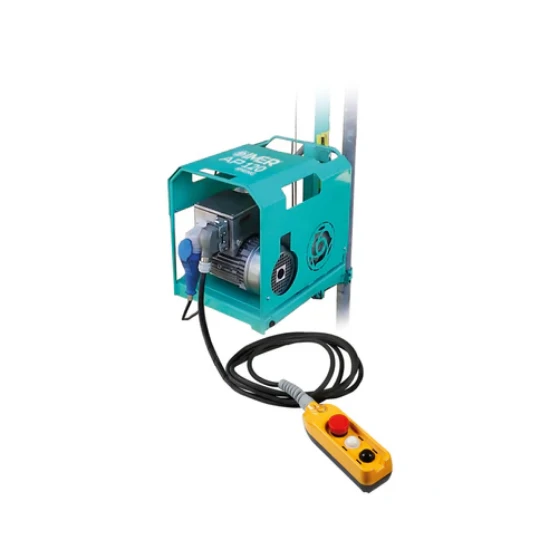
An IMER scaffold hoist pole is a vertical lifting device used on construction sites to transport materials such as bricks, cement bags, tools, and other heavy items. It is typically mounted alongside scaffolding, allowing materials to be lifted safely from ground level to upper floors.
Key Features of a Scaffold Hoist Pole
- Vertical Lifting Capability: Designed to move heavy loads straight up to various heights.
- Durable Construction: Made from high-quality steel or reinforced materials to withstand rigorous use.
- Compatibility with Scaffold Systems: Can be mounted securely to most standard scaffolding setups.
- Safety Mechanisms: Equipped with emergency stop functions and load capacity indicators to prevent overloading.
Common Uses
Scaffold hoist poles are versatile tools used in residential, commercial, and renovation projects. They are particularly valuable in multi-story building work, where manual lifting of materials can be time-consuming and hazardous.
Preparing for Installation
Before starting the installation, proper preparation ensures a smooth and safe process.
Site Assessment
Examine the construction site to determine the most suitable location for the scaffold hoist pole. The ground should be stable and level, and the area should be free of obstructions. Proper positioning ensures the hoist operates efficiently without interference from scaffolding or other equipment.
Selecting the Right Components
Ensure all parts of the scaffold hoist pole are available and in good condition. This includes the vertical pole sections, mounting brackets, hoist platform, pulley system, and any fasteners. Using damaged or incompatible components can compromise safety and functionality.
Safety Gear and Precautions
Operators should wear appropriate personal protective equipment, including helmets, gloves, safety boots, and high-visibility clothing. Establish a safe perimeter around the installation area to prevent accidents involving other personnel on site.
Step by Step Installation Guide
Installing an IMER scaffold hoist pole involves careful planning and methodical execution.
Assembling the Pole Sections
Most scaffold hoist poles come in modular sections that must be assembled vertically. Begin by connecting the base section securely to the ground or scaffolding platform using brackets and fasteners. Ensure each section is firmly tightened before adding the next to maintain stability.
Mounting to the Scaffold
Attach the pole to the scaffolding structure using clamps or brackets. The pole must be perfectly vertical to prevent operational issues. Use a spirit level to confirm alignment and adjust the brackets as necessary. Secure all fasteners tightly to prevent wobbling during use.
Installing the Pulley and Hoist Mechanism
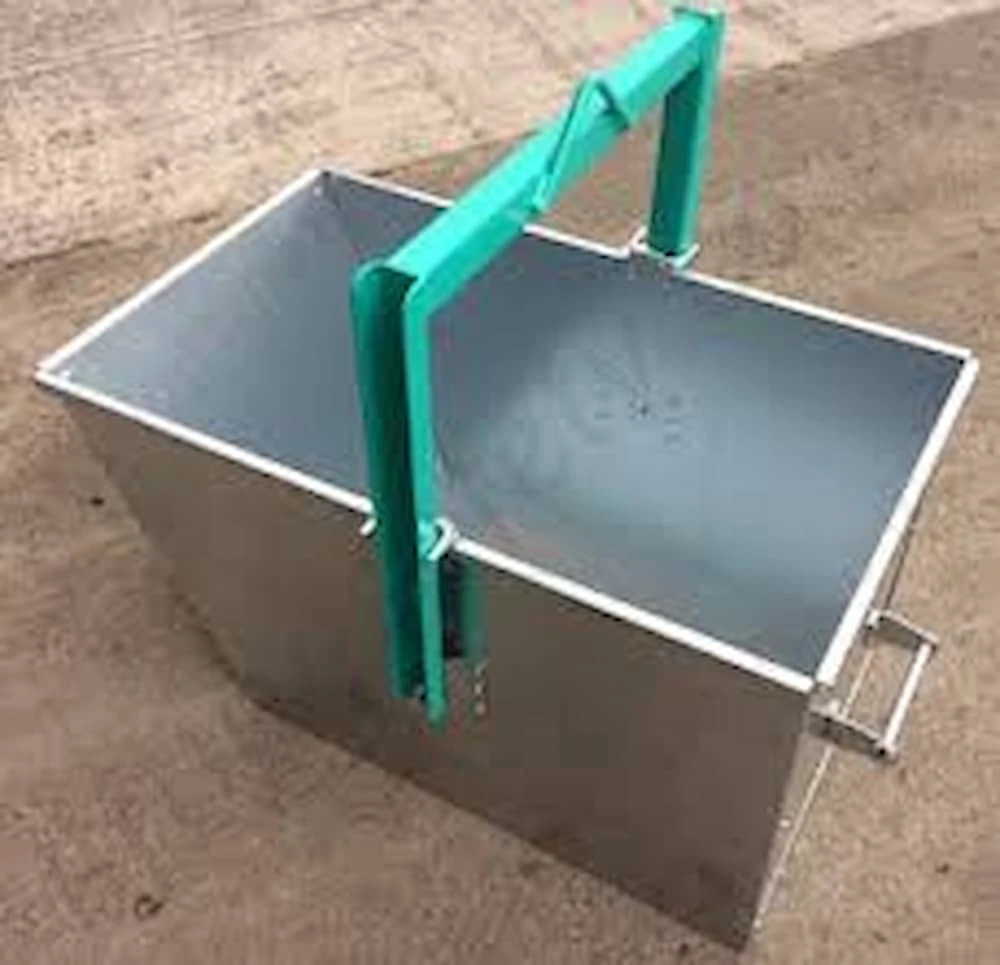
Once the pole is mounted, attach the pulley system at the top section. Feed the hoist cable through the pulleys according to the manufacturer’s instructions. Proper alignment ensures smooth lifting and prevents wear on the cable. Connect the hoist platform or basket securely to the cable for material transport.
Connecting the Power Source
If the scaffold hoist is electrically operated, connect it to a reliable power source. Ensure that all cables are intact, properly insulated, and safely routed to prevent tripping hazards. Test the hoist at a low load initially to confirm proper function.
Safety Considerations During Use
Even a correctly installed scaffold hoist pole can be hazardous if safety protocols are not followed.
Load Management
Never exceed the maximum weight capacity specified for the hoist pole. Distribute loads evenly on the hoist platform to maintain stability. Overloading can damage the equipment and lead to accidents.
Monitoring Operation
Operators should remain vigilant while using the hoist, watching for any unusual noises or jerking movements that may indicate mechanical issues. Always maintain clear communication with other personnel on site.
Emergency Preparedness
Ensure all operators are familiar with emergency stop procedures. Keep a first aid kit and safety contact information readily available in case of incidents.
Common Installation Mistakes to Avoid
Understanding frequent errors can help prevent costly and dangerous issues.
Improper Alignment
A scaffold hoist pole that is not perfectly vertical can cause uneven lifting and stress on components. Always use a level during installation and make adjustments as needed.
Insecure Fastening
Loose brackets or clamps can lead to instability. Double-check all fasteners after assembly and periodically during use to maintain safety.
Ignoring Manufacturer Instructions
Each hoist model may have unique requirements. Ignoring the installation manual can result in improper assembly or void warranties. Always follow manufacturer guidelines carefully.
Maintenance Tips for Longevity
Proper maintenance ensures the scaffold hoist pole remains safe and functional for years.
Regular Inspections
Check the hoist pole, brackets, pulleys, and cables before and after use. Look for signs of wear, rust, or damage and address issues immediately.
Cleaning and Lubrication
Keep the pole and moving parts free of dust, dirt, and debris. Lubricate pulleys and cables periodically to ensure smooth operation.
Professional Servicing
Schedule periodic professional inspections to detect any underlying mechanical issues. This preventative maintenance reduces the risk of accidents and extends equipment lifespan.
Conclusion
Correct installation of an IMER scaffold hoist pole is critical for construction efficiency and site safety. By following proper assembly procedures, observing safety protocols, and performing regular maintenance, operators can maximize performance while minimizing risks. Understanding common mistakes and ensuring all components are correctly installed ensures smooth, reliable operation throughout the project. For expert advice, quality equipment, and professional guidance, CLM Construction Supplies provides the support needed to complete installations safely and efficiently.


























Sign in to leave a comment.